 4 citations
,
April 2019 in “Cell Stem Cell”
4 citations
,
April 2019 in “Cell Stem Cell” Certain immune cells in the skin can stop hair from growing.
2 citations
,
September 2024 in “Internal Medicine Journal” Upadacitinib helped regrow hair and maintain ulcerative colitis remission.
 2 citations
,
January 2023 in “Pharmaceuticals”
2 citations
,
January 2023 in “Pharmaceuticals” Natural products and phytochemicals may help with hair regrowth, but more research is needed.
2 citations
,
May 2017 in “Journal of the American Academy of Dermatology” Tofacitinib helped a 19-year-old regrow hair after other treatments failed.
1 citations
,
April 2023 in “Portuguese Journal of Dermatology and Venereology” JAK inhibitors are effective treatments for alopecia areata.
 1 citations
,
July 2019 in “Clinical Rheumatology”
1 citations
,
July 2019 in “Clinical Rheumatology” Leflunomide is more likely to help treat alopecia areata than cause it.
 July 2026 in “Quality in Sport”
 New treatments for alopecia areata focus on targeted drugs and regenerative therapies, but challenges remain.
 June 2026 in “Wiener klinische Wochenschrift”
 New treatments for alopecia areata show promise but need ongoing use and have infection risks.
 April 2026 in “Journal of Inflammation Research”
 Alopecia areata and atopic dermatitis share immune system issues, and treatments like JAK inhibitors can help both.
 March 2026 in “Indian Journal of Dermatology”
 Baricitinib can cause excessive hair growth.
 February 2026 in “Eduvest - Journal Of Universal Studies”
 Janus Kinase Inhibitors are promising new treatments for various skin conditions due to their effectiveness and safety.
November 2025 in “The Journal of Dermatology” Nemolizumab improved both severe atopic dermatitis and alopecia areata in one patient.
September 2025 in “Frontiers in Immunology” Atopic dermatitis and alopecia areata share immune and genetic factors, and targeted therapies may help both.
June 2025 in “Academic Medical Journal” Restoring hair follicle immune privilege may help treat alopecia areata.
 June 2025 in “Journal of Education Health and Sport”
 Oral JAK inhibitors show promise for treating alopecia areata but have challenges like relapse and side effects.
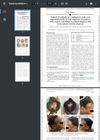 April 2025 in “JAAD Case Reports”
 Topical ruxolitinib and oral minoxidil together can regrow hair in certain types of hair loss.
 January 2025 in “Indian Journal of Paediatric Dermatology”
 Biopsy is crucial to correctly diagnose granuloma annulare, which can mimic other conditions like alopecia mucinosa.
 December 2024 in “Cureus”
 Baricitinib treatment for alopecia universalis can cause hair regrowth with unexpected whitening.
July 2024 in “Journal of Investigative Dermatology” CD8+ T cells expand significantly in alopecia areata, suggesting new treatment targets.
July 2024 in “Journal of Controlled Release” Nanostructured lipid carriers effectively deliver tofacitinib to hair follicles, reversing hair loss in alopecia areata.
New drugs, baricitinib and ritlecitinib, are effective for severe alopecia areata.
 September 2023 in “Drugs in context”
 Baricitinib is a promising treatment for alopecia areata.
March 2022 in “Journal of Investigative Dermatology” Discoid Lupus Erythematosus causes scalp plaques that can lead to hair loss, and antimalarial drugs are effective treatments.
 April 2021 in “Sohag Medical Journal”
 Alopecia areata is an autoimmune condition causing hair loss, linked to genetic factors and immune system issues, with no cure yet.
January 2021 in “Digital Commons - PCOM (Philadelphia College of Osteopathic Medicine)” Sebaceous glands are essential for skin health but can contribute to conditions like acne and hair loss.
June 2020 in “Dermatologic therapy” Using Janus kinase inhibitors (JAKi) in COVID-19 treatment requires careful consideration due to their immunosuppressive effects.
October 2018 in “Oncology Times” Hair is important for aging and cancer treatment, affecting emotions, culture, and health.
April 2017 in “The journal of investigative dermatology/Journal of investigative dermatology” Researchers found three different ways drugs work to treat hair loss from alopecia areata and identified key factors for personalized treatment.
December 2025 in “Journal of Human Immunity” JAK inhibitors may help improve symptoms in adults with APECED.
January 2021 in “Research Square (Research Square)” Long noncoding RNAs may help understand rabbit hair follicle density.