 10 citations
,
August 2020 in “Drug metabolism and drug interactions”
10 citations
,
August 2020 in “Drug metabolism and drug interactions” The NUDT15 gene variant causes severe side effects from azathioprine in some Indian patients.
6 citations
,
May 2013 in “Journal of Clinical Oncology” Combining Ficlatuzumab and Gefitinib can cause severe hair loss.
Levetiracetam and valproate sodium both reduce seizures when added to lamotrigine, but levetiracetam has fewer side effects.
26 citations
,
January 2005 in “PubMed” RUM-loaded SLN shows promise for treating acne and hair loss topically.
 157 citations
,
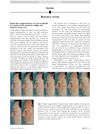
December 2015 in “Journal of the American Academy of Dermatology”
157 citations
,
December 2015 in “Journal of the American Academy of Dermatology” A man with vitiligo and alopecia saw quick skin and hair improvement with ruxolitinib, but skin color gains were lost after stopping treatment.
January 2004 in “Headache” Divalproex sodium significantly improved headaches in two-thirds of patients.
6 citations
,
April 2018 in “Transplantation proceedings” A woman experienced severe side effects from a drug due to a specific genetic variation, suggesting genetic testing could prevent such risks.
21 citations
,
August 2002 in “British Journal of Ophthalmology” Drug misuse can cause serious eye infections and other severe side effects.
5 citations
,
December 2015 in “PubMed” Some gonadal hormone drugs can block filovirus entry into cells.
21 citations
,
August 1987 in “Archives of Dermatology” High-dose methotrexate can cause severe skin and nail issues.
 4 citations
,
April 2016 in “Journal of The American Academy of Dermatology”
4 citations
,
April 2016 in “Journal of The American Academy of Dermatology” A patient with advanced kidney cancer and no hepatitis C developed skin inflammation due to a drug called interferon alpha-2a.
 1 citations
,
July 2022 in “The journal of investigative dermatology/Journal of investigative dermatology”
1 citations
,
July 2022 in “The journal of investigative dermatology/Journal of investigative dermatology” Tofacitinib helps improve skin conditions in people with Down syndrome, especially alopecia areata.
9 citations
,
October 2015 in “Cutaneous and ocular toxicology” Vemurafenib can cause scalp issues but can be managed without changing the dose.
 April 2012 in “Journal of the American Academy of Dermatology”
 Clofazimine successfully treated a man's ashy dermatosis, clearing his skin lesions.
 16 citations
,
April 2014 in “Expert Opinion on Pharmacotherapy”
16 citations
,
April 2014 in “Expert Opinion on Pharmacotherapy” Teriflunomide is an effective and safe first-line oral treatment for relapsing multiple sclerosis.
18 citations
,
April 2011 in “Neuropharmacology” 11β-Hydroxylase inhibitors help prevent seizures in mice by boosting natural neurosteroid production.
 August 2024 in “Dermatology and Therapy”
 Vorasidenib can cause unusual hair growth.
 1 citations
,
August 2022 in “Journal of Dermatology and Dermatologic Surgery”
1 citations
,
August 2022 in “Journal of Dermatology and Dermatologic Surgery” A patient developed nerve problems as a side effect of a hair loss treatment called tofacitinib.
 70 citations
,
July 2020 in “Pharmacological Reports”
70 citations
,
July 2020 in “Pharmacological Reports” Cepharanthine, a Japanese hair loss drug, shows promise as a COVID-19 treatment but needs more testing.
October 2025 in “Figshare” Deuruxolitinib improves hair regrowth in alopecia areata but needs more safety research.
 26 citations
,
November 2016 in “European Journal of Clinical Pharmacology”
26 citations
,
November 2016 in “European Journal of Clinical Pharmacology” Valproic acid helps delay hair loss and increases survival time for high-grade glioma patients undergoing radiation therapy.
 April 2023 in “Dermatology practical & conceptual”
 Lenalidomide helps hair follicle stem cells turn into melanocytes, which may improve repigmentation in vitiligo.
1 citations
,
October 2020 in “Journal of the American Society of Nephrology” Proguanil can cause anemia and hair loss in kidney disease patients.
9 citations
,
January 2015 in “Indian Journal of Pharmacology/The Indian journal of pharmacology” Higher doses of the medication valproate can cause hair loss, which may stop when the dose is lowered or the medication is stopped.
 November 2025 in “Mendeley Data”
 JAK inhibitors can be safely used in alopecia areata patients with latent hepatitis B or tuberculosis, with proper monitoring.
 13 citations
,
November 2013 in “Seizure: European Journal of Epilepsy”
13 citations
,
November 2013 in “Seizure: European Journal of Epilepsy” Levetiracetam may cause hair loss, which can potentially reverse with lower doses or stopping the drug.
5 citations
,
May 2024 in “Journal of Allergy and Clinical Immunology Global” Upadacitinib effectively improved severe atopic dermatitis and alopecia universalis in a 29-year-old man.
2 citations
,
September 2024 in “PLoS ONE” Bendamustine combined with tucidinostat may effectively treat adult T-cell leukemia.
 2 citations
,
November 2011 in “Journal of Infection”
2 citations
,
November 2011 in “Journal of Infection” A woman with asthma improved from a severe fungal infection after treatment change, and most HIV-positive women in a UK study had low immune cell counts but were responding well to treatment.
 14 citations
,
November 2016 in “Annals of Internal Medicine”
14 citations
,
November 2016 in “Annals of Internal Medicine” Tofacitinib, an arthritis drug, helped hair growth in alopecia universalis but long-term safety needs more research.