February 2015 in “American journal of medical and biological research” Balding hair follicles have less growth-promoting factors and more inhibitory factors, leading to hair loss.
6 citations
,
December 2019 in “Frontiers in genetics” GLI1 might protect against the start of skin cancer and is not linked to cancer severity.
 6 citations
,
June 2019 in “Biotechnology Letters”
6 citations
,
June 2019 in “Biotechnology Letters” Gene therapy shows promise for improving wound healing, but more research is needed for human use.
6 citations
,
December 2023 in “Journal of Clinical Medicine” Abnormal growth factor metabolism may link psoriasis and metabolic syndrome, and obesity can affect psoriasis treatment effectiveness.
 65 citations
,
January 2018 in “Nature Reviews Endocrinology”
65 citations
,
January 2018 in “Nature Reviews Endocrinology” Skin fat has important roles in hair growth, skin repair, immune defense, and aging, and could be targeted for skin and hair treatments.
 36 citations
,
February 2017 in “BMC Complementary and Alternative Medicine”
36 citations
,
February 2017 in “BMC Complementary and Alternative Medicine” Geranium sibiricum extract helps hair grow and is more effective than minoxidil but can be toxic in high concentrations.
 January 2025 in “Antioxidants”
 SHED-CM can reduce hair graying and protect against damage from X-rays.
18 citations
,
May 2022 in “Stem Cell Research & Therapy” Green OLED light improves stem cell effectiveness for better wound healing.
 January 2016 in “Springer eBooks”
 New materials and methods could improve skin healing and reduce scarring.
July 2025 in “International Journal of Trichology” Biological factors are crucial for developing new hair restoration treatments.
283 citations
,
February 2011 in “Cell stem cell” COL17A1 is crucial for preventing hair graying and loss by supporting hair and pigment stem cells.
 19 citations
,
April 2015 in “Developmental Dynamics”
19 citations
,
April 2015 in “Developmental Dynamics” The conclusion is that skin and hair patterns are formed by a mix of cell activities, molecular signals, and environmental factors.
 12 citations
,
September 2018 in “Journal of Drug Delivery Science and Technology”
12 citations
,
September 2018 in “Journal of Drug Delivery Science and Technology” The silk fibroin hydrogel with FGF-2-liposome can potentially treat hair loss in mice.
 10 citations
,
September 2018 in “Regenerative Medicine”
10 citations
,
September 2018 in “Regenerative Medicine” New hair can grow from large wounds in mice, but less so as they age, involving reprogramming of skin cells and specific molecular pathways.
 4 citations
,
March 2019 in “Experimental Biology and Medicine”
4 citations
,
March 2019 in “Experimental Biology and Medicine” Exposure to 50 Hz electromagnetic fields may help mice grow hair faster.
 April 2015 in “Plastic and Reconstructive Surgery”
 TLR3 activation helps improve skin and hair follicle healing in mice.
 July 2010 in “Journal of Investigative Dermatology”
 Scientists found gene mutations that affect hair loss, skin stem cells, and skin disorders, and identified drugs that may help treat blood vessel and skin conditions.

Glycyrrhizic acid and licorice extract can significantly reduce unwanted hair growth.
 1160 citations
,
November 2018 in “Physiological Reviews”
1160 citations
,
November 2018 in “Physiological Reviews” The document concludes that better targeted treatments are needed for wound healing, and single-cell technologies may improve cell-based therapies.
 42 citations
,
February 2021 in “Signal Transduction and Targeted Therapy”
42 citations
,
February 2021 in “Signal Transduction and Targeted Therapy” Hair follicle regeneration possible, more research needed.
3 citations
,
August 2025 in “Stem Cell Research & Therapy” Adipose-derived stem cells show promise in treating hair loss by promoting hair regrowth and improving hair follicle function.
 38 citations
,
June 2019 in “International Journal of Molecular Sciences”
38 citations
,
June 2019 in “International Journal of Molecular Sciences” Tiny particles called extracellular vesicles could help with skin healing and hair growth, but more research is needed.
7 citations
,
June 2020 in “npj regenerative medicine” GDNF helps grow hair and heal skin wounds by acting on hair stem cells.
 375 citations
,
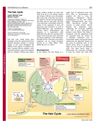
February 2006 in “Journal of Cell Science”
375 citations
,
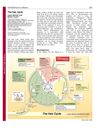
February 2006 in “Journal of Cell Science” The document concludes that the hair cycle is a complex process involving growth, regression, and rest phases, regulated by various molecular signals.
 159 citations
,
December 2007 in “American Journal of Pathology”
159 citations
,
December 2007 in “American Journal of Pathology” Stress-related substance P may lead to hair loss and negatively affect hair growth.
 113 citations
,
June 2015 in “Stem Cell Research & Therapy”
113 citations
,
June 2015 in “Stem Cell Research & Therapy” Wnt and Notch signaling help wound healing by promoting cell growth and regulating cell differentiation.
 103 citations
,
January 2006 in “Journal of Cell Science”
103 citations
,
January 2006 in “Journal of Cell Science” The document concludes that the hair cycle is a complex process involving growth, regression, and rest phases, regulated by various molecular signals.
 59 citations
,
February 2012 in “Journal of Dermatological Science”
59 citations
,
February 2012 in “Journal of Dermatological Science” Environmental factors at different levels control hair stem cell activity, which could lead to new hair growth and alopecia treatments.
 1 citations
,
January 2014 in “Elsevier eBooks”
1 citations
,
January 2014 in “Elsevier eBooks” Melanocytes produce melanin; their defects cause vitiligo and hair graying, with treatments available for vitiligo.
 January 2026 in “Scientific Reports”
 Sesamin may help treat hair loss by affecting specific cell pathways.