 1 citations
,
May 2004 in “Journal der Deutschen Dermatologischen Gesellschaft”
1 citations
,
May 2004 in “Journal der Deutschen Dermatologischen Gesellschaft” The meeting presented new findings on hair stem cells, pigmentation, genetics, and modern hair treatment techniques.
October 2020 in “Faculty Opinions – Post-Publication Peer Review of the Biomedical Literature” Stem cell niche exit in C. elegans is influenced by Sh1 cell membrane protrusions.
Mutations in the hairless protein gene cause hair loss.
 36 citations
,
July 2014 in “Experimental Dermatology”
36 citations
,
July 2014 in “Experimental Dermatology” Skin and hair can regenerate after injury due to changes in gene activity, with potential links to how cancer spreads. Future research should focus on how new hair follicles form and the processes that trigger their creation.
 7 citations
,
January 2023 in “Frontiers in Cell and Developmental Biology”
7 citations
,
January 2023 in “Frontiers in Cell and Developmental Biology” Caspases are enzymes important for both cell death and various non-lethal cell functions, affecting head development and hair growth, with different caspases playing specific roles.
 31 citations
,
July 2017 in “Clinical Science”
31 citations
,
July 2017 in “Clinical Science” MicroRNAs are important for skin health and could be targets for new skin disorder treatments.
 20 citations
,
January 2013 in “Cell & Bioscience”
20 citations
,
January 2013 in “Cell & Bioscience” Understanding how epigenetic regulation affects stem cells is key to cancer insights and new treatments.
March 2026 in “International Journal of Dermatology” Changes in scalp microbes may contribute to hair loss, suggesting new treatment options.
99 citations
,
September 2004 in “Development” Proper hedgehog signaling is crucial for maintaining healthy skin stem cells.
 2 citations
,
December 2025 in “Nature Communications”
2 citations
,
December 2025 in “Nature Communications” H2AK119ub helps keep hair follicle stem cells in a resting state, preventing early aging.
 254 citations
,
January 2012 in “Nature Reviews Molecular Cell Biology”
254 citations
,
January 2012 in “Nature Reviews Molecular Cell Biology” Stem cell offspring help control their parent stem cells, affecting tissue health, healing, and cancer.
36 citations
,
October 2015 in “Cell reports” Gab1 protein is crucial for hair growth and stem cell renewal, and Mapk signaling helps maintain these processes.
 35 citations
,
February 2019 in “Cell Communication and Signaling”
35 citations
,
February 2019 in “Cell Communication and Signaling” BMP6 and Wnt10b control whether hair follicles are resting or growing.
 1 citations
,
May 2019 in “Cytotherapy”
1 citations
,
May 2019 in “Cytotherapy” New Australian advertising rules improved stem cell marketing practices but further regulation is needed for consumer safety.
 7 citations
,
February 2018 in “Journal of Investigative Dermatology”
7 citations
,
February 2018 in “Journal of Investigative Dermatology” Fat tissue and a specific protein are crucial for healthy hair growth and maintenance.
 73 citations
,
April 2013 in “Stem cells”
73 citations
,
April 2013 in “Stem cells” LGR5 helps maintain corneal cell characteristics and prevents unwanted changes by controlling specific cell signaling pathways.
July 2026 in “Current Stem Cell Reports” Stem cell therapies show promise for skin repair but face challenges like standardization and regulation.
209 citations
,
October 2008 in “The Journal of Pathology” Stem cell niches are essential for tissue health and repair.
March 2016 in “Benha Veterinary Medical Journal” Type XIX Collagen is present in specific skin and hair cells during development.
 3 citations
,
May 2019 in “Cytotherapy”
3 citations
,
May 2019 in “Cytotherapy” ATIR101 improves survival in stem cell transplant patients; Australian stem cell treatment decisions are influenced by regulation changes.
 61 citations
,
January 2008 in “Cold Spring Harbor Symposia on Quantitative Biology”
61 citations
,
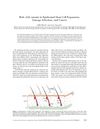
January 2008 in “Cold Spring Harbor Symposia on Quantitative Biology” Beta-catenin is crucial for skin cell growth, development, and cancer formation.
 6 citations
,
May 2013 in “PloS one”
6 citations
,
May 2013 in “PloS one” The Foxn1(-/-) nude mouse shows disrupted and expanded skin stem cell areas due to high Lhx2 levels.
 156 citations
,
December 2012 in “Cell Stem Cell”
156 citations
,
December 2012 in “Cell Stem Cell” TGF-β is crucial for controlling stem cell behavior and changes in its signaling can lead to diseases like cancer.
91 citations
,
December 2019 in “The EMBO Journal” NEDD4 and NEDD4L help control intestinal stem cells and prevent tumors by breaking down the LGR5 receptor.
 91 citations
,
August 2014 in “Development”
91 citations
,
August 2014 in “Development” The circadian clock is crucial for tissue renewal and regeneration, affecting stem cell functions and having implications for health and disease.
22 citations
,
November 2023 in “Clinical Cosmetic and Investigational Dermatology” Stem cell-derived therapies can help rejuvenate skin by improving wrinkles, elasticity, and pigmentation.
 1 citations
,
October 2022 in “Annual review of cell and developmental biology”
1 citations
,
October 2022 in “Annual review of cell and developmental biology” The nervous system helps control stem cell behavior and immune responses, affecting tissue repair and maintenance.
 1 citations
,
April 2018 in “Journal of Investigative Dermatology”
1 citations
,
April 2018 in “Journal of Investigative Dermatology” PRC1 is essential for proper skin development and stem cell formation by controlling gene activity.
 April 2026 in “DiRROS repository (University of Maribor)”
 MSC-derived EVs have potential as therapeutic agents but face challenges like production complexity and high costs.
 April 2016 in “The journal of investigative dermatology/Journal of investigative dermatology”
 BMP signaling controls hair growth and skin color.