 May 2023 in “Endocrine, metabolic & immune disorders”
 Hibiscus rosa-sinensis is used in traditional medicine and is safe in high doses, with various health benefits.
 May 2022 in “International Journal of Health Sciences (IJHS)”
 Hibiscus Rosa Sinensis Linn is a tropical plant used for various medicinal purposes due to its many beneficial properties and components.
4 citations
,
April 1955 in “Archives of Dermatology” Hydrocortisone ointment effectively improved eyebrow skin and hair in a 10-year-old.
1 citations
,
January 2014 in “Journal of clinical & experimental dermatology research” Naringi crenulata leaf extracts promote hair growth.
 May 2022 in “International Journal for Research in Applied Science and Engineering Technology”
 Eclipta prostrata has potential as a natural antibiotic.
3 citations
,
September 2024 in “Frontiers in Plant Science” Stephania longa's genome helps understand how it makes the alkaloid cepharanthine.
December 2025 in “Agriculture” Sansevieria and Dracaena are evolutionarily linked, and a specific gene marker can distinguish closely related species.
14 citations
,
August 2013 in “Journal of Parasitology” Mite infestations severely harm the health of endangered Amargosa voles.
January 2025 in “SSRN Electronic Journal” December 2024 in “Veterinary Dermatology” A sugar glider had a rare skin cancer that worsened despite treatment, highlighting the need for thorough checks in exotic pets.
July 2022 in “European Journal of Dermatology” Brodalumab is more effective than ustekinumab in treating psoriasis.
35 citations
,
August 1978 in “Australian Veterinary Journal” Feeding steers only Leucaena leucocephala causes severe health issues and poor weight gain.
 6 citations
,
January 2022 in “GSC Biological and Pharmaceutical Sciences”
6 citations
,
January 2022 in “GSC Biological and Pharmaceutical Sciences” Eclipta prostrata is used for health benefits and hair care, showing various protective and healing effects.
September 2023 in “Zenodo (CERN European Organization for Nuclear Research)” Calotropis gigantea is a versatile plant used in traditional medicine for treating various diseases.
6 citations
,
January 2019 in “Journal of feline medicine and surgery open reports” A cat with severe skin issues improved with dexamethasone and cetirizine.
5 citations
,
January 2021 in “Pakistan Journal of Nematology” Citrullus colocynthis is a valuable natural option for medicine and pest control.
 1 citations
,
December 2022 in “BMC Plant Biology”
1 citations
,
December 2022 in “BMC Plant Biology” The black orchid Brasiliorchis schunkeana produces chemicals that attract certain insects and have potential antimicrobial properties.

Ajuga reptans L. extracts have strong antioxidant, anti-inflammatory, liver-protective, antimicrobial, and wound-healing properties.
 January 2017 in “Bulletin of Pharmaceutical Research”
 Chemical fingerprints can distinguish Eclipta prostrata from Wedelia calendulacea to prevent confusion and adulteration.
 December 2024 in “Genome Biology and Evolution”
 Snakes and worm lizards lost claw proteins due to similar evolutionary changes.
169 citations
,
October 2020 in “Pharmaceutics” Polysaccharide-based nanofibers are promising for better wound healing.
130 citations
,
December 2022 in “Antioxidants” Natural polysaccharides have strong antioxidant properties that help fight diseases like Alzheimer's, diabetes, and heart disease.
30 citations
,
September 2024 in “Pharmaceuticals” Silk fibroin nanofibers may help heal diabetic wounds, but more research is needed.
1 citations
,
May 2025 in “Biomolecules” Synthetic biology can improve sesquiterpenol production by using innovative microbial strategies.
47 citations
,
February 2019 in “Asian Journal of Pharmaceutical and Clinical Research” Jarjeer has potential health benefits and may aid hair growth, but effects on humans are uncertain.
2 citations
,
June 2024 in “Heliyon” The rare cliff plant Oresitrophe rupifraga has diverse metabolites, with leaves rich in phenolic acids and rhizomes and bulblets high in terpenoids, aiding its growth and potential use.
 September 2016 in “International Journal of Herbal Medicine”
 Buxus wallichiana has compounds that support its use in traditional medicine.
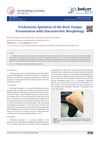 May 2020 in “JOJ Dermatology & Cosmetics”
 A rare skin condition usually on the face was found on a man's heel.
 October 2024 in “Journal of Plant Growth Regulation”
 Fusarium sp. strain K-23 helps Arabidopsis plants grow better in salty soil by promoting root hair growth.
 1 citations
,
July 2022 in “Plant Cell, Tissue and Organ Culture (PCTOC)”
1 citations
,
July 2022 in “Plant Cell, Tissue and Organ Culture (PCTOC)” The study found that in Eclipta prostrata roots, coumestans come from acetate and shikimate pathways, and phenylpropanoid is made only through the shikimate pathway.