 12 citations
,
November 2014 in “Journal of Cutaneous Medicine and Surgery”
12 citations
,
November 2014 in “Journal of Cutaneous Medicine and Surgery” Antiviral medication valganciclovir may improve skin and hair in Trichodysplasia Spinulosa patients.
 5 citations
,
May 2011 in “Movement Disorders”
5 citations
,
May 2011 in “Movement Disorders” Finasteride may help reduce tic severity in male Tourette syndrome patients.
 1 citations
,
January 2024 in “Annals of Dermatology”
1 citations
,
January 2024 in “Annals of Dermatology” COVID-19 may trigger alopecia areata, but more research is needed.
 8 citations
,
February 2022 in “Journal of Clinical Medicine Research”
8 citations
,
February 2022 in “Journal of Clinical Medicine Research” The MATH+ protocol aims to improve COVID-19 outcomes using a combination of specific treatments.
 5 citations
,
July 2020 in “Journal of Cosmetic Dermatology”
5 citations
,
July 2020 in “Journal of Cosmetic Dermatology” A vibrating anesthetic device significantly reduces pain during mesotherapy for hair loss without complications.
 April 2024 in “Cell death and disease”
 Long COVID causes various long-term health issues and needs better awareness and treatment.
 January 2020 in “Frontiers in Medical Case Reports”
 A dog developed skin issues from too many steroids, but reducing steroids and using a specific treatment fixed the problems.
 46 citations
,
January 1996 in “Journal of The American Academy of Dermatology”
46 citations
,
January 1996 in “Journal of The American Academy of Dermatology” People with late-stage HIV-1 often experience a specific type of hair loss linked to multiple factors, including nutritional issues and immune responses.
 September 2023 in “JP Journal of Biostatistics”
 The random forest model effectively helps diagnose COVID-19 using key factors like age and symptoms.
 34 citations
,
August 2002 in “British Journal of Dermatology”
34 citations
,
August 2002 in “British Journal of Dermatology” ALA-PDT is effective and safe for chronic X-ray dermatitis, providing complete or partial remission.
 December 2022 in “Sudan Journal of Medical Sciences”
 Vaccination is the most effective way to reduce COVID-19 transmission.
 64 citations
,
August 1999 in “The American journal of medicine”
64 citations
,
August 1999 in “The American journal of medicine” The transscrotal testosterone patch normalizes hormone levels in men with AIDS and weight loss but does not improve weight, body mass, or quality of life.
 21 citations
,
January 2021 in “Therapeutic Advances in Endocrinology and Metabolism”
21 citations
,
January 2021 in “Therapeutic Advances in Endocrinology and Metabolism” Testosterone may have a dual role in COVID-19, potentially worsening outcomes in men, and testosterone therapy could help some patients, but more research is needed.
 November 2025 in “Frontiers in Immunology”
 Stem cell activity influences autoimmune disease outcomes by affecting immune responses and tissue regeneration.
 176 citations
,
June 2016 in “PLoS ONE”
176 citations
,
June 2016 in “PLoS ONE” Nucleic acid polymers can enhance antiviral responses and improve treatment outcomes for chronic hepatitis B.
 November 2025 in “International Society of Hair Restoration Surgery”
 Immediate post-operative folliculitis is a reaction to surgery, not an infection.
 43 citations
,
November 2007 in “Journal of Investigative Dermatology Symposium Proceedings”
43 citations
,
November 2007 in “Journal of Investigative Dermatology Symposium Proceedings” The document concludes that proper diagnosis and treatment of common scalp disorders are important for both physical and psychological health.
 1 citations
,
February 1988 in “The BMJ”
1 citations
,
February 1988 in “The BMJ” The document explains different hair and scalp conditions, including common hair loss after pregnancy or illness, drug-induced hair loss, hereditary excessive hair growth, patterned baldness, autoimmune hair loss, and permanent loss due to skin disease, with generally limited treatment options.
 14 citations
,
January 2014 in “Journal of Cutaneous and Aesthetic Surgery”
14 citations
,
January 2014 in “Journal of Cutaneous and Aesthetic Surgery” Scalp Roller therapy helped improve hair growth in patients with hard-to-treat alopecia areata.
 7 citations
,
February 2006 in “Clinical and Experimental Dermatology”
7 citations
,
February 2006 in “Clinical and Experimental Dermatology” Using anabolic steroids 'Sus' and 'Deca' for bodybuilding caused severe acne in a man.

Steatocystomas are harmless skin cysts that can vary in size and may sometimes cause itching or pain.
 11 citations
,
January 1961 in “Archives of dermatology”
11 citations
,
January 1961 in “Archives of dermatology” Corticosteroid injections helped eyebrow hair regrow in men with alopecia areata.
 August 2025 in “Zanco Journal of Medical Sciences”
 Both steroid and vitamin D3 treatments are safe and effective for patchy alopecia areata, with steroids showing slightly better results.
 45 citations
,
January 1998 in “Dermatology”
45 citations
,
January 1998 in “Dermatology” Some skin conditions look like acne but are caused by drugs, and they usually get better when the drug is stopped.
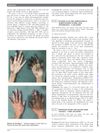
Psychosis can be an early sign of neuropsychiatric lupus, treatable with tailored medication.
 68 citations
,
July 2016 in “Dermatology and Therapy”
68 citations
,
July 2016 in “Dermatology and Therapy” Light and laser therapies show promise for treating Acne Keloidalis Nuchae, but more research is needed.
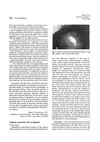 24 citations
,
September 1985 in “Journal of The American Academy of Dermatology”
24 citations
,
September 1985 in “Journal of The American Academy of Dermatology” The report suggests a possible link between hair loss and hidden scalp tumors but states more evidence is needed to confirm this.
 November 2025 in “Indian Journal of Nephrology”
 Hair dye may trigger anti-GBM disease relapse, and rituximab can help manage it.
 March 2024 in “Poster presentations”
 A woman with lupus and Kikuchi-Fujimoto disease improved with treatment.
 July 2023 in “Journal of Ayub Medical College Abbottabad”
 A woman in Pakistan was diagnosed with Lupus Vasculitis and treated successfully.