June 2023 in “Journal of Biological Chemistry” Get3d protein helps maintain photosynthesis in plants and photosynthetic bacteria.
 May 2023 in “Accounts of chemical research”
 New methods can better classify curly hair types and lead to improved hair care products.
Neurosteroids help regulate oxytocin levels, especially during stress and pregnancy, to protect against premature labor.
 April 2023 in “Research Square (Research Square)”
 Combining stromal vascular fraction (SVF) injections with fractional CO2 laser treatment is more effective for treating burn scars than using the laser alone.
 April 2023 in “Journal of Investigative Dermatology”
 New method measures skin cell turnover quickly and effectively, showing turnover slows with age and responds more to treatments in older skin.
 January 2023 in “Journal of clinical pharmacy and therapeutics”
 Isoliensinine, a natural compound, prevents stress-related hair greying by blocking a specific receptor on hair cells.
 January 2023 in “The Egyptian Journal of Hospital Medicine”
 Platelet-Rich Plasma (PRP) is a promising new treatment for skin strain scars, with no risk of dark spots or infection.
 November 2022 in “Journal of Investigative Dermatology”
 COVID-19 patients with hair loss experienced greater cognitive deficits and more symptoms of depression, anxiety, and stress.
 November 2022 in “The journal of investigative dermatology/Journal of investigative dermatology”
 The STRIPAK complex is crucial for skin cell organization and creating a functional skin barrier.
 November 2022 in “IntechOpen eBooks”
 Methods for creating diverse ring-shaped molecules and their uses.
New methods to classify curly hair types were developed based on shape and strength.
October 2022 in “Hair Transplantation” Proper technique in strip hair transplantation minimizes complications.
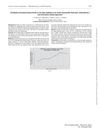 October 2022 in “European heart journal”
 Higher stress levels were found about two weeks before a heart attack.
 September 2022 in “Curēus”
 The removed ovarian tumor was a rare type of blood vessel tumor that improved the patient's symptoms and hormone levels after surgery.

COVID-19 patients with hair loss experienced more cognitive issues and these issues were linked to higher levels of depression, anxiety, and stress.
August 2022 in “Ad-Dawaa' Journal of Pharmaceutical Sciences” Hibiscus rosa-sinensis L. and Baccaurea racemosa extracts help hair growth.
 August 2022 in “Revista de la Universidad Industrial de Santander/Salud UIS”
 Stress-related hair loss was reversed with a special medication.
 July 2022 in “Asian Journal of Biochemistry, Genetics and Molecular Biology”
 Ageratum conyzoides may lower blood sugar and improve blood lipid levels in diabetic rats.
June 2022 in “Jordan Journal of Applied Science - Natural Science Series” Human body follicles have diverse structures and functions important for health.
 January 2022 in “DOAJ (DOAJ: Directory of Open Access Journals)”
 Argan oil-based nano carriers could potentially deliver caffeine to hair follicles to treat hair loss.
 September 2021 in “Kazanskij medicinskij žurnal”
 Electrical and chemical skin stimulation can improve hair growth.
 August 2021 in “Journal of Investigative Dermatology”
 Stress causes hair loss by making the body produce cortisol, which stops hair cells from growing.
August 2021 in “Oxford University Press eBooks” The skin is a complex organ that protects the body, regulates temperature, and has roles in immunity, hormone function, and vitamin D metabolism.
 June 2021 in “Pakistan Journal of Medical and Health Sciences”
 The study found no link between hair loss, stress, and smoking among men in Lahore.
 May 2021 in “The FASEB Journal”
 The research gives new understanding on how human steroid 5α-reductases work and how drugs like finasteride inhibit them, which could help in creating new drugs.
April 2021 in “Journal of Investigative Dermatology” Early-stage skin substitutes improve wound healing and skin structure.
Hair can naturally regain color, and stress might influence greying and its reversal.
 March 2021 in “Research Square (Research Square)”
 Strontium ranelate helps cartilage growth by blocking a specific cell pathway.
 March 2021 in “Research Square (Research Square)”
 Stress likely causes hair loss in Formosan macaques.

Plant roots respond to fungus smells by possibly using certain proteins and a plant hormone to change root growth, but more research is needed.