9 citations
,
February 2016 in “Anatomical Science International” Hair proteins change location and structure as hair cells mature.
 13 citations
,
June 2018 in “Journal of histochemistry and cytochemistry/The journal of histochemistry and cytochemistry”
13 citations
,
June 2018 in “Journal of histochemistry and cytochemistry/The journal of histochemistry and cytochemistry” Laminin-511 may contribute to psoriasis by affecting skin cell growth and survival.
22 citations
,
October 1996 in “Dermatologic clinics” Understanding intermediate filaments helps explain hair health and related diseases.
January 2006 in “Durham e-Theses (Durham University)” Id proteins, especially Id2 and Id3, are crucial for hair follicle development and stem cell regulation.
 April 2023 in “The journal of investigative dermatology/Journal of investigative dermatology”
 KLF4 is important for keeping hair follicle stem cells inactive.
January 2020 in “프로그램북(구 초록집)” The skin has two main layers, the epidermis and dermis, which work together and are essential for diagnosing skin conditions.
January 2005 in “Journal of Shandong Univenity” Epidermal stem cells are in hair follicle bulge regions, and isolation and culture methods are effective.
949 citations
,
January 2001 in “Cell” Adult mouse skin contains stem cells that can create new hair, skin, and oil glands.
 7 citations
,
March 2020 in “PloS one”
7 citations
,
March 2020 in “PloS one” α-parvin is necessary for skin and hair growth and for the correct orientation of skin cells.
 19 citations
,
July 1993 in “The journal of investigative dermatology/Journal of investigative dermatology”
19 citations
,
July 1993 in “The journal of investigative dermatology/Journal of investigative dermatology” Dermal-epidermal interactions are crucial for hair growth and maintenance.
 August 2012 in “Nature Cell Biology”
 Hair grows when stem cell offspring in the follicle base proliferate, influenced by the dermal papilla.
18 citations
,
January 2013 in “Journal of Investigative Dermatology” WIF1 helps keep skin stem cells inactive to prevent excessive cell growth.
 April 2023 in “The journal of investigative dermatology/Journal of investigative dermatology”
 Damaged hair follicle stem cells may leave the skin to help maintain youthfulness.
27 citations
,
May 2004 in “Journal of Investigative Dermatology”  153 citations
,
October 2007 in “Cell Stem Cell”
153 citations
,
October 2007 in “Cell Stem Cell” New research suggests that skin cell renewal may not require a special type of cell previously thought to be essential.
 9 citations
,
July 2013 in “Experimental Dermatology”
9 citations
,
July 2013 in “Experimental Dermatology” Aging reduces the ability of human hair follicle cells to form new cell colonies.
 December 2010 in “Faculty Opinions – Post-Publication Peer Review of the Biomedical Literature”
 New cells join the hair's dermal papilla during the growth phase, possibly affecting hair thickness.
11 citations
,
April 1993 in “PubMed” Human hair cells can change based on their environment, especially interactions with certain skin cells.
 2 citations
,
December 2016 in “Experimental cell research”
2 citations
,
December 2016 in “Experimental cell research” The research found a way to identify and study skin cells with stem cell traits, revealing they behave differently in culture and questioning current stemness assessment methods.
 1 citations
,
March 2024 in “Ophthalmic Plastic and Reconstructive Surgery”
1 citations
,
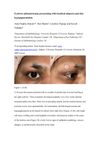
March 2024 in “Ophthalmic Plastic and Reconstructive Surgery” A pilomatrixoma in the eyebrow can cause hair loss and skin lightening.
26 citations
,
January 1964 in “Experimental Cell Research”  9 citations
,
July 2022 in “Cell reports”
9 citations
,
July 2022 in “Cell reports” Sox2 controls hair color by affecting pigment production in hair follicles.
127 citations
,
November 2010 in “Pigment cell & melanoma research” We need more research on human hair follicle pigmentation, not just mouse models.
7 citations
,
January 1992 in “Acta Histochemica” Porcine and human pilosebaceous units are very similar.
14 citations
,
October 2002 in “Journal of cutaneous pathology” MAP-2 is crucial for the structure of hair follicles and nails.
 165 citations
,
June 2007 in “European Journal of Cell Biology”
165 citations
,
June 2007 in “European Journal of Cell Biology” Hair follicle stem cells are key for hair and skin regeneration, can be reprogrammed, and have potential therapeutic uses, but also carry a risk of cancer.
50 citations
,
September 1997 in “Developmental Biology” January 2026 in “International Journal of Biological Macromolecules”  21 citations
,
October 2017 in “Journal of Investigative Dermatology”
21 citations
,
October 2017 in “Journal of Investigative Dermatology” The document concludes that understanding dermal papilla cells is key to improving hair regeneration treatments.
 6 citations
,
April 1996 in “Journal of histochemistry and cytochemistry/The journal of histochemistry and cytochemistry”
6 citations
,
April 1996 in “Journal of histochemistry and cytochemistry/The journal of histochemistry and cytochemistry” TGF-alpha is present in sheep and ferret skin and may affect hair growth without directly stimulating cell proliferation.