 66 citations
,
July 2007 in “Journal of Molecular Medicine”
66 citations
,
July 2007 in “Journal of Molecular Medicine” Stress increases certain chemicals in the skin and nerves, which might worsen skin conditions.
 August 2022 in “Revista de la Universidad Industrial de Santander/Salud UIS”
 Stress-related hair loss was reversed with a special medication.
 6 citations
,
May 2022 in “Frontiers in Medicine”
6 citations
,
May 2022 in “Frontiers in Medicine” The study suggests pandemic stress might worsen or trigger hair loss problems.
 January 2015 in “Durham e-Theses (Durham University)”
 Adipose tissue changes in obesity can trigger stress in fat cells.
July 2024 in “Journal of Investigative Dermatology” Alopecia areata causes negative emotions and stress due to hair loss and emotional triggers.
Stress can cause hair loss and trigger autoimmunity by damaging hair follicle cells.
5 citations
,
August 2024 in “Skin Research and Technology” KLB and EIF3C genes are key for early diagnosis of vitiligo and alopecia areata.
 February 2026 in “Psychiatria”
 Stress and emotional suppression can cause hair loss, so addressing both mental and physical health is important.
 July 2021 in “Journal of dermatology research and therapy”
 COVID-19 may worsen hair loss, and Nourkrin® could be a safe treatment option, but more research is needed.
 September 2024 in “Vietnam Journal of Biotechnology”
 Astaxanthin may help protect hair cells from damage and prevent hair loss.
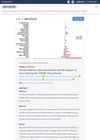 3 citations
,
January 2022 in “Einstein (São Paulo)”
3 citations
,
January 2022 in “Einstein (São Paulo)” The pandemic increased stress-related skin conditions and those affected by behavior changes.
January 2015 in “Rawal Medical Journal” Telogen effluvium is the main cause of hair loss in women in Karak, followed by androgenetic alopecia.
 9 citations
,
June 2020 in “BMC Molecular and Cell Biology”
9 citations
,
June 2020 in “BMC Molecular and Cell Biology” Stress hormone CRF can cause hair loss by affecting hair growth cells and hormones.
 March 2026 in “Editora Pasteur eBooks”
 Hair health is affected by various conditions and requires personalized treatment.
 November 2020 in “Holistic Nursing Practice”
 COVID-19 can cause hair loss, loss of taste and smell, skin changes, and eye problems.
 5 citations
,
February 2014 in “PubMed”
5 citations
,
February 2014 in “PubMed” Hair loss in Telogen effluvium is often chronic, linked to stress, and lacks a confirmed treatment, but topical corticosteroids may be used.
 January 2021 in “Journal of Pakistan Association of Dermatology”
 COVID-19 recovery can lead to temporary hair loss called telogen effluvium.
 44 citations
,
January 2021 in “Dermatologic Therapy”
44 citations
,
January 2021 in “Dermatologic Therapy” COVID-19 may cause hair loss due to infection stress or treatments.
 April 2017 in “The journal of investigative dermatology/Journal of investigative dermatology”
 Stress in hair follicle cells increases certain immune-related proteins, which might contribute to hair loss conditions.
52 citations
,
April 2002 in “Brain Research” Lower allopregnanolone levels increase stress-related dopamine release in the brain.
 4 citations
,
November 2009 in “Medical Clinics of North America”
4 citations
,
November 2009 in “Medical Clinics of North America” Stress, nutritional issues, and chronic diseases can cause hair loss, and nail changes may signal internal diseases; treatment focuses on the underlying cause.
 4 citations
,
March 2021 in “International Journal of Dermatology”
4 citations
,
March 2021 in “International Journal of Dermatology” COVID-19 and related stress may increase hair loss known as Telogen effluvium.
 January 2026 in “Clinical Cosmetic and Investigational Dermatology”
 Stressful life events may trigger alopecia areata.
 July 2024 in “Dermatology Practical & Conceptual”
 COVID-19-related hair loss may have unique features compared to hair loss from other causes.
 1 citations
,
October 2000 in “Pediatrics in Review”
1 citations
,
October 2000 in “Pediatrics in Review” The document says that hookworms are treated with mebendazole and stress-related hair loss usually gets better in 6 months, while other hair loss types have specific treatments.
3 citations
,
July 2023 in “International journal of molecular sciences” Stress may contribute to hair loss in alopecia areata by affecting immune responses and cell death in hair follicles.
 June 2022 in “Journal of the turkish academy of dermatology”
 The COVID-19 quarantine in Turkey disrupted dermatological care, increased stress-related skin issues, and showed the need for psychological support and teledermatology.
 December 2022 in “Exploratory animal and medical research”
 The study concluded that Acral lick dermatitis is most common in young male Labrador retrievers, often caused by psychological factors, and leads to skin inflammation and stress-related blood changes.
 3 citations
,
October 1982 in “Postgraduate Medicine”
3 citations
,
October 1982 in “Postgraduate Medicine” Most types of hair loss can regrow naturally, but there are no effective cures for male pattern or age-related hair loss, and only limited options for females.
 5 citations
,
May 2021 in “International Journal of Infectious Diseases”
5 citations
,
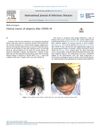
May 2021 in “International Journal of Infectious Diseases” A man experienced hair loss after getting COVID-19, which improved with treatment and might have been triggered by stress related to the illness.