32 citations
,
August 1985 in “Clinical endocrinology” Spironolactone may help reduce hair growth and testosterone levels in some women with hirsutism.
3 citations
,
November 2022 in “Molecules/Molecules online/Molecules annual” The substances improved hair regrowth and protected hair cells in humans and mice.
1 citations
,
April 1993 in “Problemy e̊ndokrinologii” Spironolactone effectively reduces symptoms of hyperandrogenism like hirsutism and acne.
January 2007 in “The Journal of Pharmaceutical Practice” The process to make finasteride is simple, cheap, and gives a good amount.
 October 2025 in “EMJ Dermatology”
 GLP-1RA therapy may increase the risk of hair loss.
354 citations
,
August 1991 in “Molecular Endocrinology” Human adrenals and gonads have a unique enzyme for steroid hormone production.
2 citations
,
October 2023 in “Animals” Lacto-fermentation changes amino acid profiles in bovine colostrum, but results are inconsistent.
 October 2015 in “Elsevier eBooks”
 Spironolactone can cause side effects like high potassium levels and breast enlargement, and patients need careful monitoring.
 14 citations
,
November 2013 in “Journal of the American Society for Horticultural Science”
14 citations
,
November 2013 in “Journal of the American Society for Horticultural Science” Glycine slows main root growth but boosts root hair growth in habanero peppers.
 February 2025 in “medRxiv (Cold Spring Harbor Laboratory)”
 GLP-1 agonists may increase the risk of hair loss.
 May 2024 in “International Journal of Dermatology”
 More research is needed to understand if GLP-1 agonists affect hair health.
 2 citations
,
October 2001 in “Analytical Sciences”
2 citations
,
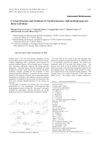
October 2001 in “Analytical Sciences” A new compound that could treat various androgen-related conditions was created and analyzed.
16 citations
,
March 2020 in “Animal Biotechnology” Transgenic sheep embryos with a specific promoter were successfully created, but more research is needed for gene expression in hair follicles.
 July 2023 in “Frontiers in veterinary science”
 Certain long non-coding RNAs are important for controlling hair growth cycles in sheep.
 December 2021 in “Journal of pharmaceutical research international”
 Spironolactone may be effective for acne and other skin conditions and could be used more in treatment.
 March 2023 in “Scientific reports”
 Hair growth-related cells need the enzyme SCD1 to help maintain the area that supports hair growth.
Spironolactone was effective in reducing hair growth in women with hirsutism.
 64 citations
,
January 2010 in “The FASEB Journal”
64 citations
,
January 2010 in “The FASEB Journal” Prolactin affects the production of different keratins in human hair, which could lead to new treatments for skin and hair disorders.
November 2012 in “Experimental and Clinical Endocrinology & Diabetes” A new genetic mutation causes severe Leydig cell hypoplasia, affecting sexual development.
November 2025 in “OPAL (Open@LaTrobe) (La Trobe University)” Tectona grandis leaves may help treat hair loss and inflammation.
December 2016 in “University of Birmingham Institutional Research Archive (University of Birmingham)” Glucocorticoids reduce fat production in liver cells, while androgens increase it in females; manipulating certain enzymes can influence these effects.
10 citations
,
June 2021 in “Journal of Investigative Dermatology” 17 citations
,
December 2015 in “Bioorganic & Medicinal Chemistry” 3-tetrazolo steroidal analogs can strongly inhibit the enzyme linked to hair loss.
37 citations
,
June 1996 in “Journal of cellular physiology” Retinoic acid, glucocorticoids, and IGF1 increase IGFBP-3 production in human dermal papilla cells, affecting hair growth.
May 2005 in “Faculty Opinions – Post-Publication Peer Review of the Biomedical Literature” Truncated LTBP-1 disrupts TGF-beta signaling, affecting hair growth.
 January 2026 in “Frontiers in Pharmacology”
 Wedelolactone may help treat inflammation, infections, cancer, bone loss, and organ damage.
 43 citations
,
September 2014 in “Molecular Plant”
43 citations
,
September 2014 in “Molecular Plant” CLE40 and CRN/CLV2 pathways have opposite effects on root growth in Arabidopsis.
 September 2025 in “Cureus”
 GLP-1 receptor agonists may cause hair loss, but more research is needed.
 January 2024 in “Authorea (Authorea)”
 Using laccase to add poly(tyrosine) to wool makes it less likely to shrink and stronger.
 December 2023 in “Biointerface Research in Applied Chemistry”
 Stiripentol shows promise as a potential treatment for androgen-related diseases but needs more testing.