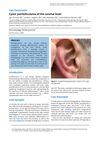
 March 2026 in “Dermatology Online Journal”
 Cystic panfolliculoma is a rare, harmless tumor that can be confused with other skin tumors.
September 2014 in “Journal of the American Academy of Dermatology” The girl likely has Loose anagen hair syndrome, which may improve on its own or with minoxidil.
17 citations
,
November 2017 in “Experimental physiology” Breathing in newborn rats is affected differently by hormones based on their sex.
 1 citations
,
January 2018 in “Eastern Journal Of Medicine”
1 citations
,
January 2018 in “Eastern Journal Of Medicine” Topical minoxidil can cause serious heart issues in children.
9 citations
,
January 2009 in “Journal of the European Academy of Dermatology and Venereology” The cream effectively reduces excessive hair growth and related skin issues without side effects.
 11 citations
,
February 1980 in “BMJ. British medical journal”
11 citations
,
February 1980 in “BMJ. British medical journal” Hirsutism is common body hair growth due to genetics and hormones, and while not a disease, it can be distressing; virilisation includes hirsutism with other male traits and needs medical attention.
 1 citations
,
March 2010 in “Internal medicine journal”
1 citations
,
March 2010 in “Internal medicine journal” A 72-year-old man with sudden taste issues and hair growth was diagnosed with a severe stomach cancer and died within 5 months.
 3 citations
,
January 2018 in “Annals of Dermatology”
3 citations
,
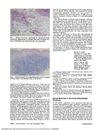
January 2018 in “Annals of Dermatology” A woman developed facial hair cysts after using a 3% minoxidil solution for hair loss, which disappeared after stopping the treatment and removing the cysts surgically.
 20 citations
,
May 2000 in “Journal of The American Academy of Dermatology”
20 citations
,
May 2000 in “Journal of The American Academy of Dermatology” Orf infections can happen during the Muslim event 'Aid el Kebir' due to close contact with sheep.
September 2023 in “Journal of the American Academy of Dermatology” 1 citations
,
March 2024 in “Pediatric Dermatology” Neonatal nasal injuries can heal with basic care but often leave scars.
8 citations
,
March 2010 in “Chinese medical journal/Chinese Medical Journal” Malassezia infection may cause refractory acne, and antifungal treatments can help.
20 citations
,
July 2005 in “Experimental dermatology” The fuzzy gene is crucial for controlling hair growth cycles.
 1 citations
,
January 1997 in “Dermatology”
1 citations
,
January 1997 in “Dermatology” A woman lost her hair from stress after a bee attack and her sister's death.
15 citations
,
January 2015 in “Skin Appendage Disorders” Increased scalp sweating in frontal fibrosing alopecia may be linked to local skin inflammation.
CDPDFM can improve acne symptoms in rabbit ears.
 8 citations
,
November 1990 in “Archives of Dermatology”
8 citations
,
November 1990 in “Archives of Dermatology” A woman with EMS showed unusual skin mucinosis without the typical hard skin syndrome, suggesting EMS can cause skin mucinosis.
5 citations
,
August 2002 in “Veterinary Dermatology” Combining terbinafine and mitotane effectively treated a schnauzer's skin infection and hormone disorder.
November 2025 in “Journal of Investigative Dermatology” Mesenchymal stiffness affects sweat gland cell development.
 4 citations
,
September 2015 in “Case Reports”
4 citations
,
September 2015 in “Case Reports” A man fainted and felt unwell after using a strong hair growth product, but got better when he stopped using it.
 6 citations
,
July 2008 in “Clinical and experimental optometry”
6 citations
,
July 2008 in “Clinical and experimental optometry” Prostaglandin eye drops for glaucoma can rarely cause too much cheek hair growth.
 17 citations
,
May 1998 in “Contact Dermatitis”
17 citations
,
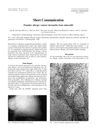
May 1998 in “Contact Dermatitis” Minoxidil can cause pustular allergic reactions on skin.
 8 citations
,
September 2016 in “The American Journal of Dermatopathology”
8 citations
,
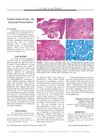
September 2016 in “The American Journal of Dermatopathology” Enlarged sweat gland ducts may indicate scarring hair loss.
 January 2024 in “Future postharvest and food”
 Frankincense may help treat COVID-19, but more research is needed.
 6 citations
,
May 2012 in “Clinical and experimental dermatology”
6 citations
,
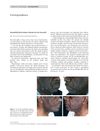
May 2012 in “Clinical and experimental dermatology” Oral minoxidil can cause inflamed, ingrown hairs in the beard area.
Hair loss can happen after severe H1N1 flu but usually grows back in 4 months.
 2 citations
,
October 2018 in “Archives of Dermatological Research”
2 citations
,
October 2018 in “Archives of Dermatological Research” Tofacitinib helps mice grow more hair by increasing noggin and BMP4 levels, possibly better than minoxidil.
 5 citations
,
January 2018 in “PubMed”
5 citations
,
January 2018 in “PubMed” Biodegradable microneedle patches help topical steroids work better for prurigo nodularis.
 November 2025 in “Frontiers in Oral Health”
 Accurate diagnosis and management of rare genian fistulas require combined clinical, radiologic, and histopathologic evaluations.
24 citations
,
March 2021 in “Frontiers in Cell and Developmental Biology” Wnt signaling is disrupted in asthma, affecting cell growth and inflammation.