 21 citations
,
October 2019 in “The journal of investigative dermatology/Journal of investigative dermatology”
21 citations
,
October 2019 in “The journal of investigative dermatology/Journal of investigative dermatology” A specific gene change plus an additional mutation in the same gene cause hereditary trichilemmal cysts.

Removing SIX1 in fat cells reduces skin fibrosis.
December 2022 in “Biochemical and Biophysical Research Communications” HtrA2 activity is crucial for normal hair growth by regulating fat cell development.
April 2020 in “The FASEB Journal” Loss of Rap1 protein speeds up heart aging in mice.

Aging disrupts skin repair and stress responses, but exercise-related IL-15 improves wound healing and skin health in older skin.
Arabidopsis Formin 2 stabilizes actin filaments, affecting cell-to-cell movement and virus susceptibility.
18 citations
,
August 2011 in “Medical Hypotheses” Physical inactivity is a primary cause of many human illnesses.
 11 citations
,
January 2017 in “Journal of Endocrinology/Journal of endocrinology”
11 citations
,
January 2017 in “Journal of Endocrinology/Journal of endocrinology” Female mice with disrupted 5α-reductase 1 had significant metabolic issues, including stress response problems, insulin resistance, liver fat buildup, and obesity.
 18 citations
,
January 2004 in “Dermatologic Clinics”
18 citations
,
January 2004 in “Dermatologic Clinics” Skin problems in older people can indicate hormonal diseases, nutritional deficiencies, or conditions like diabetes, menopause, and HIV.
29 citations
,
October 2019 in “Journal of dermatological science” Studying premature aging syndromes helps understand human aging and suggests potential treatments.
7 citations
,
January 2011 Collagen XVIII is crucial for maintaining tissue structure and function in the brain, kidneys, and hair.
 2 citations
,
October 2018 in “The journal of pediatrics/The Journal of pediatrics”
2 citations
,
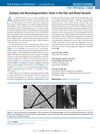
October 2018 in “The journal of pediatrics/The Journal of pediatrics” The document concludes that specific hair and blood vessel abnormalities in infants with seizures and developmental issues may indicate Menkes disease, which lacks a cure and is often fatal by age 3.
May 2026 in “ACS Catalysis” Efficient enzyme function relies on specific residue interactions and structural coordination.
 April 2026 in “bioRxiv (Cold Spring Harbor Laboratory)”
 Hair follicles protect melanocytes from sun damage, helping them replenish skin.
39 citations
,
November 2005 in “The journal of investigative dermatology/Journal of investigative dermatology” Fatp4 is crucial for healthy skin development and function.
3 citations
,
April 2025 in “Science Advances” Loss of Ten1 in mice causes telomere shortening and symptoms similar to human dyskeratosis congenita.
50 citations
,
March 1992 in “PubMed” Malnutrition causes skin changes due to nutrient deficiencies.
 May 2023 in “The journal of investigative dermatology/Journal of investigative dermatology”
 EAAT4 decreases with age, harming skin function and calcium balance.
40 citations
,
November 2021 in “International Journal of Molecular Sciences” Mutant keratins cause inflammation in Epidermolysis Bullosa Simplex, suggesting targeting them could help treat the disorder.
9 citations
,
May 2025 in “Stem Cell Research & Therapy” Extracellular vesicles can both worsen and help treat age-related diseases and are useful for early diagnosis.
10 citations
,
February 2021 in “PLoS biology” Corin helps control salt and sweat release in sweat glands.
35 citations
,
September 2009 in “Development” Necl2 affects skin cell behavior and slows wound healing.
 April 2021 in “Journal of Investigative Dermatology”
 Stem cells control their future role by changing ERK signal timing, affecting tissue regeneration and cancer.
17 citations
,
February 2015 in “Experimental Dermatology” Keratins are crucial for hair strength, and mutations in certain keratin genes cause hair disorders.
47 citations
,
August 2016 in “American Journal Of Pathology” Fibroblast changes in systemic sclerosis may help understand disease severity and treatment.
 July 2024 in “Journal of Investigative Dermatology”
 Losing both ERBB2 and ERBB3 receptors in mice causes significant skin problems and inflammation.
2 citations
,
June 2013 in “Journal of Clinical Pathology” The LMNA mutation affects skin structure even in asymptomatic carriers.

Engineered vesicles deliver mitochondria to improve diabetic wound healing.
January 2011 in “대한피부과학회지” A 7-year-old girl was diagnosed with trichothiodystrophy due to low sulfur levels in her hair.
October 2014 in “Microscopy” The method using ionic liquid improves observation of cell structures with less damage.