 2 citations
,
August 1999 in “PubMed”
2 citations
,
August 1999 in “PubMed” Chronic telogen effluvium is a condition that causes ongoing hair shedding.
Copper deficiency lowers blood and liver copper levels in rats, but not in hair or bones.
December 2025 in “Asian Journal of Advanced Research and Reports” Hair growth pathways are a promising and simpler method for detecting chronic stress.
January 1987 in “Toxicological sciences” SMR-2 and SMR-6 are much more toxic than retinoic acid, causing severe symptoms and organ damage in mice.
 April 1981 in “Pediatric research”
 Copper treatments increase copper in all tissues, but brindled female mice accumulate much more copper in their kidneys without clinical effects, unlike brindled male mice where brain copper deficiency is clinically significant.
 27 citations
,
August 1984 in “Experimental and Molecular Pathology” December 2019 in “The American Journal of Gastroenterology”
27 citations
,
August 1984 in “Experimental and Molecular Pathology” December 2019 in “The American Journal of Gastroenterology” Small bowel lesions in Cronkhite-Canada syndrome persist despite steroid treatment.
January 1994 in “Toxicological Sciences” Lower dosages of 2-(difluoromethyl)-dl-ornithine might reduce side effects, supporting further research.
 1 citations
,
October 2012 in “Medical Hypotheses”
1 citations
,
October 2012 in “Medical Hypotheses” The conclusion suggests that treatments targeting root causes of chronic diseases may be developed by focusing on gene expression and lifestyle factors.
 December 2024 in “Journal of Applied Toxicology”
 High doses of dihydroartemisinin caused reversible liver toxicity in rats, with females more affected than males.
1 citations
,
January 2024 in “International Journal of Epidemiology” The study aims to find new risk factors and early signs for heart and brain diseases to improve prevention and management.
August 2018 in “Illinois Digital Environment for Access to Learning and Scholarship (University of Illinois at Urbana-Champaign)” Chronological age affects the mouse auditory cortex more than hearing loss, and the brain may be less sensitive to mitochondrial dysfunction.
 38 citations
,
April 2018 in “Psychopharmacology/Psychopharmacologia”
38 citations
,
April 2018 in “Psychopharmacology/Psychopharmacologia” Blocking CRF-R1 can reduce alcohol intake in stressed mice.
 219 citations
,
September 2009 in “European journal of epidemiology”
219 citations
,
September 2009 in “European journal of epidemiology” The Rotterdam Study aims to understand various diseases in older adults.
11 citations
,
October 2020 in “General and comparative endocrinology” Male C57BL/6 mice show age-related fluctuations in certain hormones and their ratios in both blood and hair.
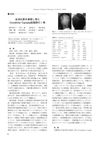 January 2014 in “Progress of Digestive Endoscopy”
 Prednisolone improved symptoms in a woman with Cronkhite-Canada syndrome, but regular screenings are needed due to cancer risk.
May 2024 in “International journal of medicine and psychology.” Age-related immune changes significantly affect disease development in other systems.
December 2025 in “Biology” Male and female mice handle stress differently.
5 citations
,
January 2000 in “Inhalation Toxicology” Aqueous dispersion resin is safe to inhale at levels below 30 mg/m³.
January 2024 in “Indian Journal of Pharmacy Practice” Good medication adherence improves quality of life in subclinical thyroid disorder patients.
1 citations
,
January 2021  May 2025 in “The Journal of Rheumatology”
 Chronic granulomatous disease may be linked to developing systemic lupus erythematosus.
 February 2026 in “Scientific Reports”
 The model effectively mimics radiation-induced skin damage for future research.
15 citations
,
May 1987 in “Fundamental and applied toxicology” SMR-2 and SMR-6 are much more toxic than retinoic acid, causing severe side effects.
44 citations
,
March 1947 in “Endocrinology” Thiourea compounds affect hair growth and pigmentation in black rats.
 1 citations
,
June 2022 in “Journal of Paediatrics and Child Health”
1 citations
,
June 2022 in “Journal of Paediatrics and Child Health” Young adults who had liver disease as children often experience significant health problems and frequently need transplants.
 8 citations
,
June 2017 in “Hormone Molecular Biology and Clinical Investigation”
8 citations
,
June 2017 in “Hormone Molecular Biology and Clinical Investigation” Mild thyroid issues don't affect the metabolism and hormones of women with PCOS.
9 citations
,
September 2010 in “Journal of Radioanalytical and Nuclear Chemistry” The woman likely died from acute arsenic poisoning, not chronic exposure.
 September 2012 in “International Current Pharmaceutical Journal”
 CHOP chemotherapy causes many side effects but is generally well tolerated.