May 2025 in “OPAL (Open@LaTrobe) (La Trobe University)” Targeting specific metabolic and ionic pathways may improve alopecia areata treatment.
55 citations
,
February 1990 in “Journal of Nutrition” Selenium in hair and nails is higher with L-selenomethionine and low methionine.
23 citations
,
May 2010 in “Surface and interface analysis” Chemical treatments and UV radiation severely damage the lipid layer on hair.
1 citations
,
January 2013 in “PubMed” Permanent wave treatment with thioglycolic acid changes hair structure by altering disulfide bonds.
 January 2025 in “Advances in Dermatology and Allergology”
 Eating foods with sulfhydryl may worsen pemphigus vulgaris.
1 citations
,
June 2016 in “DOAJ (DOAJ: Directory of Open Access Journals)” The Enterobacter isolate AMS1-S8 is effective for removing selenium from wastewater.
January 2020 in “대한미용학회지” Permanent hair dye reduces sulfur content in both gray and black-brown hair.
 2 citations
,
August 2019 in “PubMed”
2 citations
,
August 2019 in “PubMed” A specific enzyme that activates the hair growth medication minoxidil when applied to the skin was identified.
 49 citations
,
April 2003 in “Biomaterials”
49 citations
,
April 2003 in “Biomaterials” Bismuth subgallate and borneol together improve skin wound healing better than when used separately or compared to other treatments.
 11 citations
,
February 2018 in “Amino acids”
11 citations
,
February 2018 in “Amino acids” Copper and iron cause keratin damage in hair by converting methionine to homocysteine.
September 2010 in “International Journal of Cosmetic Science” Chemical treatments change hair surface properties, making it more hydrophilic and able to bind conditioners.
 3 citations
,
March 2005 in “Journal of the American Academy of Dermatology”
3 citations
,
March 2005 in “Journal of the American Academy of Dermatology” The lotion and shampoo effectively treated scalp seborrheic dermatitis.
15 citations
,
August 1991 in “American Journal of Medical Genetics” A special diet can fix hair problems in argininosuccinase deficiency.
 18 citations
,
November 2018 in “Annals of the Academy of Medicine Singapore”
18 citations
,
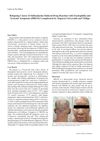
November 2018 in “Annals of the Academy of Medicine Singapore” Sulfasalazine can cause severe allergic reactions leading to long-term autoimmune issues like hair loss and skin discoloration.
1 citations
,
January 2019 in “Studia Biologica” Extracted keratin from wool and hair can be used in medicine and bioengineering.
July 2026 in “Journal of the American Academy of Dermatology” 2 citations
,
September 1996 in “Journal of Applied Polymer Science” Potassium cyanide changes hair's disulfide bonds to monosulfide, affecting high-sulfur proteins more.
13 citations
,
March 2010 in “International Journal of Cosmetic Science” Hair coloring increases copper and calcium uptake, damaging hair and reducing shine.
 April 2018 in “Journal of Investigative Dermatology”
 Sensitive scalp has higher pH, more redness, abnormal sebum, and altered bacterial makeup.
14 citations
,
July 2015 in “International Journal of Molecular Sciences” S-Methylmethionine sulfonium can protect skin from UVB damage.
26 citations
,
December 1990 in “Journal of Biological Chemistry” Two specific genes are more active during hair growth in mice.
May 2024 in “International journal of medicine and psychology.” Age-related immune changes significantly affect disease development in other systems.
 3 citations
,
January 2004 in “Sen i Gakkaishi”
3 citations
,
January 2004 in “Sen i Gakkaishi” DTDG in hair treatments reduces damage and preserves hair structure.
 1 citations
,
January 1971 in “Acta dermato-venereologica”
1 citations
,
January 1971 in “Acta dermato-venereologica” Mice hair follicles take in the amino acid cystine.
The study identified a key protein involved in producing underarm odor and found ways to inhibit it.
March 2025 in “Skin Appendage Disorders” Selenium disulfide shampoo effectively reduces dandruff and improves scalp health for all hair types.
34 citations
,
September 2007 in “Experimental Dermatology” The outer layer of Merino wool is rich in sulfur proteins, making it resistant to damage.
45 citations
,
July 2008 in “International Journal of Dermatology” Sulfasalazine may help treat persistent alopecia areata.
1 citations
,
October 2023 in “Pharmaceuticals” Sulfated polysaccharides from Microcosmus exasperatus may help treat cancer without causing blood thinning.
 September 2023 in “Biomedicines”
 Squalene may be a marker for certain types of alopecia.