 20 citations
,
April 2014 in “Dermatologic Therapy”
20 citations
,
April 2014 in “Dermatologic Therapy” Sulfotransferase in hair follicles helps predict how well minoxidil works for female hair loss.
241 citations
,
January 2001 in “Reviews on Environmental Health” High selenium exposure can harm thyroid function, immune system, liver, skin, and may increase neurotoxicity and cancer risk.
54 citations
,
March 2024 in “Journal of Medicinal Chemistry” N-oxides are important in medicine for improving drug properties and targeting.
3 citations
,
July 2005 in “DOAJ (DOAJ: Directory of Open Access Journals)” Selenosis in calves causes health issues and changes in blood parameters.
Selenium can be toxic to animals, causing serious health issues, especially in horses.

The new sensor can detect a toxic chemical in water with high sensitivity and accuracy.
1 citations
,
April 2022 in “The Journal of Urology” Both penicillamine and tiopronin have significant side effects, but trying the alternative drug can be beneficial if the first is not tolerated.
57 citations
,
January 2004 in “Journal of Radiation Research” Zinc sulphate may help reduce skin damage from radiation therapy.
62 citations
,
December 2007 in “Journal of biological chemistry/The Journal of biological chemistry” A specific chemical change in the S100A3 protein leads to the formation of a four-part structure important for hair formation.
144 citations
,
May 1990 in “Journal of the American Academy of Dermatology” 164 citations
,
September 2010 in “PLANT PHYSIOLOGY” Nitric oxide helps Solanum nigrum adapt to long-term zinc toxicity by changing root growth and metal balance.
305 citations
,
March 2008 in “AJP Endocrinology and Metabolism” SSAT is a key enzyme affecting cell growth and metabolism, with potential but risky use in disease treatment.
4 citations
,
December 2008 in “The Thai Journal of Veterinary Medicine” Zinc methionylglycinate improves dog hair and zinc levels better than zinc sulfate.
January 2015 in “Journals & Books Hosting (International Knowledge Sharing Platform)” Compound 1 showed promising anticancer activity.
5 citations
,
September 2015 in “Medical hypotheses” Topical sulfonylurea may reduce excessive hair growth caused by certain medications.
October 2025 in “The American Journal of Gastroenterology” Excessive zinc intake can cause liver failure.
 June 2025 in “Samarra Journal of Pure and Applied Science”
 A new method accurately measures minoxidil in tablets.
 193 citations
,
February 2015 in “Nature Communications”
193 citations
,
February 2015 in “Nature Communications” Fungi-produced compounds can change plant root growth.
13 citations
,
March 2010 in “International Journal of Cosmetic Science” Hair coloring increases copper and calcium uptake, damaging hair and reducing shine.
Selenium is essential but can be harmful in excess, and China struggles with balancing its levels for health.
9 citations
,
February 2024 in “mBio” Biliverdin IXβ and IXδ help Pseudomonas aeruginosa adapt to chronic infections.
1 citations
,
January 2007 in “中国科学通报:英文版” Women's hair has more sulfur, and black hair has more calcium than white hair.
January 2016 in “Zurich Open Repository and Archive (University of Zurich)” Dietary L-serine supplementation can reduce symptoms of HSAN1 by lowering harmful 1-deoxySL levels.
49 citations
,
January 1991 in “Food and chemical toxicology” Different zinc compounds cause varying levels of skin irritation in animals.
 18 citations
,
November 2018 in “Annals of the Academy of Medicine Singapore”
18 citations
,
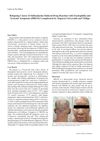
November 2018 in “Annals of the Academy of Medicine Singapore” Sulfasalazine can cause severe allergic reactions leading to long-term autoimmune issues like hair loss and skin discoloration.
 184 citations
,
October 2007 in “Proceedings of the National Academy of Sciences of the United States of America”
184 citations
,
October 2007 in “Proceedings of the National Academy of Sciences of the United States of America” Sulforaphane from broccoli can help protect skin from sun damage.
 April 2018 in “Journal of Investigative Dermatology”
 Mint water extract boosts protective enzymes in skin cells.
75 citations
,
March 2018 in “Molecules/Molecules online/Molecules annual” L-Cysteine may have health benefits, but its effectiveness is still debated due to limited clinical trial data.
 2 citations
,
November 2009 in “Korean journal of chemical engineering”
2 citations
,
November 2009 in “Korean journal of chemical engineering” Adding Brij 78 to minoxidil microparticles in a certain solution helps them stick to the skin better and prevents clumping.