 1 citations
,
July 2018 in “Elsevier eBooks”
1 citations
,
July 2018 in “Elsevier eBooks” Avoid chemical and physical damage to protect hair.
 2 citations
,
August 1994 in “Archives of dermatology”
2 citations
,
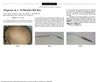
August 1994 in “Archives of dermatology” A 19-month-old boy with a rare hair disorder showed mild improvement with treatment, but his family chose gentle hair care due to limited success.
27 citations
,
June 2010 in “Journal of the American Academy of Dermatology” Excessive selenium in supplements can cause hair loss and nail issues.
 2 citations
,
March 2005 in “International Journal of Cosmetic Science”
2 citations
,
March 2005 in “International Journal of Cosmetic Science” Human hair structure varies by ethnicity, and certain treatments can improve hair condition and appearance.
 January 2022 in “Clinical Cases in Dermatology”
 Lack of certain nutrients may contribute to hair loss and proper diet or supplements could improve it.
67 citations
,
April 2014 in “Biochemical Journal” Ceramide synthase 4 deficiency in mice leads to hair loss due to altered sebum lipids.
4 citations
,
June 1980 in “American Journal of Clinical Nutrition” Malnutrition can change hair color due to altered copper and zinc levels.
February 2013 in “Journal of the American Academy of Dermatology” Uncombable hair syndrome causes dry, frizzy hair that can't be combed flat, seen in a young child.
May 2022 in “British Journal of Dermatology” The girl's hair condition improved on its own in 24 months.
 14 citations
,
June 2016 in “Pediatric Dermatology”
14 citations
,
June 2016 in “Pediatric Dermatology” Some congenital hair disorders improve with age and can be managed with treatments like minoxidil, retinoids, supplements, and gentle hair care, but there's no cure.
2 citations
,
November 1961 in “American Journal of Clinical Nutrition” January 2005 in “Chinese Journal of Reproductive Health” Vitamin-D and calcium effectively treat hair loss in children.
13 citations
,
January 2002 in “Clinics in dermatology” A mushroom extract might reduce hair loss and liver damage caused by certain chemotherapy drugs in animals.
5 citations
,
January 2020 3 citations
,
January 1966 in “PubMed” 9 citations
,
January 2011 in “Journal of X-ray science and technology” Perming and bleaching damage hair differently, with bleached hair having more cysteic acid in the cuticle.
 September 1998 in “JEADV. Journal of the European Academy of Dermatology and Venereology/Journal of the European Academy of Dermatology and Venereology”
 Hair changes could indicate neurological diseases and help monitor treatment.
 August 2024 in “IAHS Medical Journal”
 Low vitamin D and ferritin levels are linked to female hair loss.
119 citations
,
November 2016 in “American journal of human genetics” Mutations in three genes cause Uncombable Hair Syndrome, leading to frizzy hair that can't be combed flat.
December 2019 in “Jordan Medical Journal” Hair and scalp exams can predict zinc deficiency in children.
March 2007 in “International Journal of Cosmetic Science” Hair with more melanin resists weather damage better.
73 citations
,
July 1977 in “Archives of Dermatology” Applying safflower oil to the skin reversed fatty acid deficiency symptoms in 21 days.
February 2019 in “Americanae (AECID Library)” Selenium and zinc deficiency in sheep leads to thyroid and skin problems.
 May 2026 in “Preprints.org”
 The nutrient combination improved hair condition and was safe for women with diffuse hair loss.
29 citations
,
January 1963 in “PubMed”  3 citations
,
January 2004 in “Sen i Gakkaishi”
3 citations
,
January 2004 in “Sen i Gakkaishi” DTDG in hair treatments reduces damage and preserves hair structure.
62 citations
,
December 2007 in “Journal of biological chemistry/The Journal of biological chemistry” A specific chemical change in the S100A3 protein leads to the formation of a four-part structure important for hair formation.
19 citations
,
May 2010 in “Surface and interface analysis” 18-MEA is essential for hair's water resistance, and a conditioner with 18-MEA and SPDA can restore it.
93 citations
,
January 2009 in “PubMed” Low iron levels are linked to hair loss in women.
 August 2021 in “Journal of medical science and clinical research”
 An infant with seizures and hair loss was diagnosed with biotinidase deficiency and treated successfully with biotin.