 5 citations
,
September 2021 in “Journal of The American Academy of Dermatology”
5 citations
,
September 2021 in “Journal of The American Academy of Dermatology” Most men with Frontal fibrosing alopecia also lose facial hair and the condition may be linked to hormone levels and sunscreen use.
5 citations
,
June 2016 in “JAMA Dermatology” People with hair loss should use strong sun protection to prevent scalp skin cancer.
 4 citations
,
January 2012 in “Elsevier eBooks”
4 citations
,
January 2012 in “Elsevier eBooks” The document concludes that various skin conditions have specific treatments, ranging from antihistamines for urticaria to surgery and medication for tumors and chronic skin diseases.
 3 citations
,
November 2020 in “Clinical, Cosmetic and Investigational Dermatology”
3 citations
,
November 2020 in “Clinical, Cosmetic and Investigational Dermatology” Early diagnosis and combination therapy, especially with finasteride and dutasteride, are key to managing Frontal Fibrosing Alopecia effectively.
 3 citations
,
September 2017 in “Pediatric Dermatology”
3 citations
,
September 2017 in “Pediatric Dermatology” Avoiding allergens can improve skin and hair conditions in adults with allergic reactions.
2 citations
,
June 2025 in “Frontiers in Public Health” Regular mole checks and UV protection are crucial, especially for fair-skinned and health-compromised individuals.
2 citations
,
September 2021 in “Anais Brasileiros de Dermatologia” Increased sunscreen use may be linked to frontal fibrosing alopecia in Hispanic females.
 2 citations
,
May 2017 in “The Journal of Dermatology”
2 citations
,
May 2017 in “The Journal of Dermatology” A Japanese bone marrow transplant patient developed a rare skin cancer possibly linked to long-term use of the medication voriconazole.
1 citations
,
June 2025 in “Journal of Clinical Medicine” Frontal fibrosing alopecia often occurs after menopause, with delayed diagnosis and possible links to certain medications and conditions.
1 citations
,
January 2024 in “Journal of personalized medicine” Hormonal imbalances during menopause may significantly contribute to Frontal Fibrosing Alopecia.
 1 citations
,
April 2016 in “The American Journal of the Medical Sciences”
1 citations
,
April 2016 in “The American Journal of the Medical Sciences” The document concludes that doctors should check for frontal fibrosing alopecia in patients with acquired hyperpigmentation and that early treatment is important.
1 citations
,
November 2004 in “International Journal of Cosmetic Science” External agents penetrate skin more easily in areas with fewer lipids, especially through hair follicles.
 1 citations
,
January 2015 in “Journal of Pigmentary Disorders”
1 citations
,
January 2015 in “Journal of Pigmentary Disorders” Treating melasma in men is difficult, especially for the deeper skin layers, and may need more than just topical treatments.
January 2026 in “Case Reports in Dermatological Medicine” Lichen Planus in siblings may be influenced by genetics and environment.
 March 2025 in “Yemeni Journal For Medical Sciences”
 Most female students in Aden, Yemen, have low vitamin D levels, causing health issues.
November 2024 in “International Journal of Women’s Dermatology” Frontal fibrosing alopecia in Bogotá mainly affects postmenopausal women, with possible links to hormonal changes and sunscreen use.
September 2024 in “Journal of the American Academy of Dermatology” Sun-protective behaviors increased, and sunburns decreased in both Hispanic and Non-Hispanic White individuals from 2005 to 2020.
 February 2024 in “Asian journal of medical sciences”
 Proper hygiene, adequate sleep, and self-care can reduce common skin diseases.
January 2024 in “Revista da Associação Médica Brasileira” Bald men should protect their scalps from the sun to reduce skin cancer risk.
 September 2023 in “Clinical, cosmetic and investigational dermatology”
 A patient with a rare form of lupus improved after treatment for skin ulcers and hair loss on the face and scalp.
 January 2022 in “Przegla̧d dermatologiczny”
 The exact cause of frontal fibrosing alopecia is unknown, but it's not likely due to sunscreen.
 October 2019 in “International journal of research in dermatology”
 Misusing topical corticosteroids can cause skin darkening and other side effects.
January 2019 in “Journal of the American Academy of Dermatology” Childhood cancer survivors need better skin care and sun protection.
 April 2016 in “JAMA Dermatology”
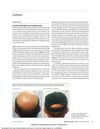
 Baseball caps don't fully protect bald spots on the back of the head from sun damage; wear wide-brimmed hats or use sunscreen.
 June 2011 in “Oncology times”
 Dr. Mario Lacouture recommends preventive and specific treatments for skin side effects caused by EGFR inhibitors to improve patients' quality of life.
June 2004 in “Journal of Investigative Dermatology” Increased pigmentation may protect skin from UVB, new targets for skin disease treatments were identified, sunscreen ingredients don't affect hormones, TNF-α inhibitors may help diabetic wounds, and certain treatments could prevent chemotherapy-induced hair loss.
September 2023 in “Journal of the American Academy of Dermatology” The cosmetic product improved melasma and skin quality without causing irritation.
 October 2020 in “International Journal of Research in Dermatology”
 The review suggests more research is needed to understand Frontal fibrosing alopecia, a condition causing hairline recession in postmenopausal women.
 March 2026 in “DergiPark (Istanbul University)”
 Pregnant women need better awareness and education on sun protection and safe cosmetic use.
 September 2025 in “Archives of Dermatological Research”
 Basal cell carcinoma is more common than squamous cell carcinoma on the scalp, especially along the part line.