 April 2018 in “The journal of investigative dermatology/Journal of investigative dermatology”
 Samcyprone ointment is effective for treating common warts if a sensitization reaction occurs first.
May 2010 in “OPAL (Open@LaTrobe) (La Trobe University)” Vaccines and targeting TrxR variants can help prevent cancer and reduce metastasis.
 April 2018 in “Nasza Dermatologia Online”
 People with Down's syndrome are more likely to have syringomas.
 77 citations
,
July 2020 in “European Journal of Clinical Pharmacology”
77 citations
,
July 2020 in “European Journal of Clinical Pharmacology” Blocking the virus's entry into cells by targeting certain pathways could lead to early COVID-19 treatments.
April 1946 in “Archives of Dermatology” One child resisted treatment, while the other was successfully treated for scalp ringworm.
 9 citations
,
April 2005 in “PubMed”
9 citations
,
April 2005 in “PubMed” Older female squirrel monkeys often experience a type of hair loss similar to chronic telogen effluvium in humans.
CMV infection increases the risk of GvHD after bone marrow transplants.
 1 citations
,
December 2020 in “Journal of Experimental Biology and Agricultural Sciences”
1 citations
,
December 2020 in “Journal of Experimental Biology and Agricultural Sciences” COVID-19 is caused by a virus from bats, and efforts focus on prevention and treatment research.
1 citations
,
July 2020 in “Qanun Medika - Medical Journal Faculty of Medicine Muhammadiyah Surabaya” Timely treatment with antibiotics and antiretrovirals can significantly improve health in HIV patients with syphilis.
 2 citations
,
December 1997 in “Journal of The American Academy of Dermatology”
2 citations
,
December 1997 in “Journal of The American Academy of Dermatology” The document concludes that doctors should monitor children's brain development when treating hemangiomas with interferon alfa and consider stopping the treatment if problems arise, while also exploring drugs that might counteract side effects.
6 citations
,
July 2025 in “Cancer Medicine” ZSYY001 is safe, well-tolerated, and shows promise for treating advanced solid tumors.
Ebola affected children less severely than adults, but better control measures and data collection are needed.
76 citations
,
January 1998 in “Mammalian Genome” October 2024 in “Frontiers in Oncology” A new gene mutation linked to Olmsted syndrome may increase cancer risk, suggesting the need for ongoing patient monitoring.
2 citations
,
December 2019 in “Chinese medical journal/Chinese Medical Journal” A woman with a scalp infection and herpes recovered fully after treatment.
 January 2025 in “Journal of the European Academy of Dermatology and Venereology”
 Trichophyton mentagrophytes genotype VII is a sexually transmitted fungus causing skin issues, mainly among men who have sex with men in Europe, and requires quick treatment.
 December 1992 in “Reviews in Medical Virology”
 The review concluded that restrictions on people with HIV/AIDS often violated their rights without proven effectiveness in stopping the virus, highlighting education as the best control method.
18 citations
,
December 2010 in “Transplantation Proceedings” Black hairy tongue can be an early sign of graft-versus-host disease after stem cell transplants.
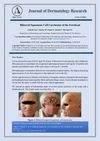
A 70-year-old man with skin cancer on both sides of his forehead was treated with surgery and cryotherapy, highlighting the need for early detection and prevention.
 51 citations
,
January 2007 in “Animal Genetics”
51 citations
,
January 2007 in “Animal Genetics” The gene for slick hair in Senepol cattle is located on chromosome 20 and may involve the SRD5A2 gene.
 June 2023 in “jurnal veteriner”
 The combination of Typhonium flagelliforme extract and natural interferons effectively reduces tumor growth in mice.
3 citations
,
April 2012 in “Cancer research” Mouse skin cancer progression involves a unique group of cells marked by ABCG2 and MTS24.
August 2002 in “British journal of ophthalmology” Surgical excision is the best treatment for SCC, but intralesional cidofovir might be a viable alternative.
 2 citations
,
October 2010 in “Reviews in Medical Microbiology”
2 citations
,
October 2010 in “Reviews in Medical Microbiology” Syphilis is becoming more common and remains a major health problem due to challenges in prevention and treatment.
10 citations
,
March 2008 in “Journal of Zoo and Wildlife Medicine” A special clotrimazole varnish cured a siamang's persistent skin infection after 3 months.
4 citations
,
August 2002 in “British Journal of Ophthalmology” Surgical excision is the best treatment for SCC.
26 citations
,
April 2011 in “British Journal of Dermatology” New mutations in the DSG4 gene cause a rare hair condition.
82 citations
,
May 2010 in “PLoS neglected tropical diseases” Secondary syphilis in Cali, Colombia, shows high Treponema pallidum presence and challenges in early diagnosis, needing better public health strategies.
1 citations
,
April 2010 in “Cancer Research” WYE-130600 may cause skin thickening and irritation.
45 citations
,
January 2007 in “Journal of Clinical Oncology” Sorafenib may cause hand-foot and stump syndrome, requiring early detection and management.