 1 citations
,
December 2024 in “Scientific Data”
1 citations
,
December 2024 in “Scientific Data” Researchers identified key molecular changes in goat hair follicles that could improve cashmere production.
 205 citations
,
March 2012 in “Science Translational Medicine”
205 citations
,
March 2012 in “Science Translational Medicine” PGD2 stops hair growth and is higher in bald men with AGA.
 30 citations
,
September 2003 in “Experimental Dermatology”
30 citations
,
September 2003 in “Experimental Dermatology” Minoxidil helps prevent stress-caused hair loss in mice.
Chrysanthemum zawadskii extract may help treat hair loss by promoting hair growth and affecting growth factors.
 12 citations
,
October 2020 in “Scientific Reports”
12 citations
,
October 2020 in “Scientific Reports” Necrostatin-1s can promote hair growth and may help treat hair loss.
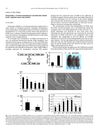 7 citations
,
December 2008 in “Journal of Dermatological Science”
7 citations
,
December 2008 in “Journal of Dermatological Science” Progranulin overexpression leads to shorter, thinner hair and increased cell death in mouse hair follicles.
 6 citations
,
January 2016 in “Evidence-based Complementary and Alternative Medicine”
6 citations
,
January 2016 in “Evidence-based Complementary and Alternative Medicine” Boiling and fermenting certain herbs can help hair grow by activating hair growth genes and pathways.
 108 citations
,
July 2004 in “American Journal of Pathology”
108 citations
,
July 2004 in “American Journal of Pathology” Stress increases a factor in mice that leads to hair loss, and blocking this factor may prevent it.
 12 citations
,
May 2014 in “International Journal of Molecular Medicine”
12 citations
,
May 2014 in “International Journal of Molecular Medicine” Chrysanthemum zawadskii extract helps hair grow by stimulating hair cells.
 10 citations
,
December 2019 in “International journal of medicinal chemistry”
10 citations
,
December 2019 in “International journal of medicinal chemistry” Chemicals from the plant Dicerocaryum senecioides were found to safely speed up and increase hair growth in mice.
 8 citations
,
June 2019 in “Journal of Ginseng Research”
8 citations
,
June 2019 in “Journal of Ginseng Research” Gintonin-enriched fraction promotes hair growth and could be a potential alopecia treatment.
 15 citations
,
July 2016 in “Biochemical Journal”
15 citations
,
July 2016 in “Biochemical Journal” Wnt proteins from certain skin cells are crucial for normal hair growth and renewal.
 91 citations
,
April 2011 in “Journal of Ethnopharmacology”
91 citations
,
April 2011 in “Journal of Ethnopharmacology” Polygonum multiflorum extract helps grow hair by activating certain hair growth signals in mice.
 64 citations
,
January 2015 in “BioMed Research International”
64 citations
,
January 2015 in “BioMed Research International” Certain growth factors can promote hair growth in mice by activating hair growth-related proteins.
 47 citations
,
May 1999 in “Reproduction”
47 citations
,
May 1999 in “Reproduction” Goat reproductive activity and coat growth are affected by light and temperature, with temperature altering prolactin levels and hair growth, but not melatonin or estrus onset.
 45 citations
,
September 2012 in “Life Sciences”
45 citations
,
September 2012 in “Life Sciences” Aconiti Ciliare Tuber extract may help hair grow by activating a specific cell signaling pathway.
 39 citations
,
December 2013 in “Phytotherapy Research”
39 citations
,
December 2013 in “Phytotherapy Research” Safflower (Carthamus tinctorius) extract helps hair grow and could be used in hair products.
 9 citations
,
January 2021 in “RSC Advances”
9 citations
,
January 2021 in “RSC Advances” Non-thermal plasma helps hair grow by improving the area around hair follicles.
 9 citations
,
December 2013 in “Toxicological Research”
9 citations
,
December 2013 in “Toxicological Research” Chamaecyparis obtusa oil may help hair grow similarly to minoxidil by affecting certain growth markers and cell factors.
 8 citations
,
January 2016 in “Evidence-based Complementary and Alternative Medicine”
8 citations
,
January 2016 in “Evidence-based Complementary and Alternative Medicine” Rumex japonicus extract may promote hair growth more effectively than Minoxidil.
 6 citations
,
February 2018 in “PLOS ONE”
6 citations
,
February 2018 in “PLOS ONE” Insect wax, especially its policosanol content, may help hair regrow by changing hair follicle phases and increasing nutrient supply.
 3 citations
,
June 2017 in “Journal of Biomaterials Applications”
3 citations
,
June 2017 in “Journal of Biomaterials Applications” Keratin extract from human hair was found to promote hair growth in mice.
 1 citations
,
August 2023 in “Biomolecules & therapeutics”
1 citations
,
August 2023 in “Biomolecules & therapeutics” HAPLN1 can promote hair growth and may help treat hair loss.
 1 citations
,
January 2015 in “Genetics and Molecular Research”
1 citations
,
January 2015 in “Genetics and Molecular Research” Stopping S100A3 activity slows down hair growth in mice.
 76 citations
,
March 2005 in “Journal of Molecular Medicine”
76 citations
,
March 2005 in “Journal of Molecular Medicine” Certain mice without specific receptors or mast cells don't lose hair from stress.
 8 citations
,
January 2016 in “Journal of Veterinary Medical Science”
8 citations
,
January 2016 in “Journal of Veterinary Medical Science” Lab-made tissues from dog fat stem cells can help grow hair by releasing a growth factor.
 835 citations
,
October 2008 in “Nature Genetics”
835 citations
,
October 2008 in “Nature Genetics” Lgr5 is a marker for active, long-lasting stem cells in mouse hair follicles.
 79 citations
,
March 1999 in “The journal of investigative dermatology/Journal of investigative dermatology”
79 citations
,
March 1999 in “The journal of investigative dermatology/Journal of investigative dermatology” Procyanidin compounds from grape seeds were found to significantly increase mouse hair growth.
 22 citations
,
July 2019 in “PLOS ONE”
22 citations
,
July 2019 in “PLOS ONE” Skin lymphatic vessels are essential for hair growth.
 20 citations
,
August 2015 in “International Journal of Molecular Medicine”
20 citations
,
August 2015 in “International Journal of Molecular Medicine” Human placental extract may help hair growth by affecting certain cell signals and could be more effective with minoxidil.