 January 2026 in “RSC Advances”
 The hydrogel speeds up diabetic wound healing and reduces scarring.
 January 2026 in “Journal of Biomedical Research”
 Small extracellular vesicles from stem and immune cells show promise for treating various diseases but face challenges in clinical use.
 November 2025 in “IECCMEXICO”
 3D bioprinting advancements are improving skin regeneration for wound healing and personalized reconstruction.
 October 2025 in “Frontiers in Immunology”
 Platelet-rich plasma might help treat eczema by reducing inflammation and repairing the skin.
 October 2025 in “Journal of Translational Medicine”
 Combining biomaterials and cell pathways can improve hair follicle regeneration.
 October 2025 in “Scientific Reports”
 Serenoa repens extract shows promise as a natural treatment for prostate cancer.
 July 2025 in “Bulgarian Portal for Open Science”
 Granulation and epithelialization are crucial for healing large skin wounds.
 June 2025 in “Medical academic journal”
 Modified liposomes with exosomes effectively deliver RNA to stem cells.
 April 2025 in “Indian Journal of Pharmaceutical Education and Research”
 Nanofibers improve skincare products by enhancing drug delivery and hydration.
 March 2025 in “Dental Journal (Majalah Kedokteran Gigi)”
 The sponge effectively controls bleeding and prevents infection after tooth extraction.
 January 2025 in “Bright Sky Publications eBooks”
 Aesthetic medicine is rapidly advancing with new technologies for safer, personalized, and less invasive treatments.
 January 2025 in “Dialnet (Universidad de la Rioja)”
 ADSC-enriched fat grafting is the best and safest aesthetic treatment, combining effectiveness and ethical confidence.
 December 2024 in “Deleted Journal”
 New therapies show promise for wound healing, but more research is needed for safe, affordable options.
Hit15 shows promise as a COVID-19 treatment by reducing virus infection and inflammation.
 May 2024 in “bioRxiv (Cold Spring Harbor Laboratory)”
 KAP-depleted hair causes less immune response and is more biocompatible for implants.
 March 2024 in “International Journal of Drug Delivery Technology”
 Electrospun nanofiber mats are effective drug carriers for improving wound healing.
 November 2023 in “Linköping University medical dissertations”
 Keratinocytes and adipose-derived stem cells can effectively heal difficult skin wounds.
 November 2023 in “Research Square (Research Square)”
 NIR-II imaging effectively tracked stem cells that helped repair facial nerve defects in rats.
 January 2023 in “Open veterinary journal”
 Cow blood vessel cell secretions helped heal rat burn wounds and may treat burns and hair loss.

Silk sericin dressing with collagen heals wounds faster and improves scar quality better than Bactigras.

Human hair keratins can self-assemble and support cell growth, useful for biomedical applications.

Alopecia areata is an autoimmune disease affecting hair follicles and may harm heart health.
 December 2013 in “Biomedical and biopharmaceutical research”
 Nanotechnology shows promise for better drug delivery and cancer treatment.
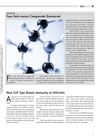 December 2011 in “Asia-Pacific biotech news”
 In 2011, there were major scientific breakthroughs in cancer treatment, immunity, Parkinson's, virus simulation, schizophrenia, hair growth, lung cancer, and medical grafts.

Bee pollen, green tea, essential oils, and various plant extracts improve skin and hair health.
 April 2017 in “Plastic and reconstructive surgery. Global open”
 Fetal scalp cells have more regenerative genes than adult cells, and decellularized muscle matrix is better for muscle repair than commercial alternatives.
 1308 citations
,
March 1998 in “Journal of bone and mineral research”
1308 citations
,
March 1998 in “Journal of bone and mineral research” The vitamin D receptor is crucial for bone health and affects various body systems, with mutations potentially leading to disease.
 451 citations
,
March 2005 in “Endocrine Reviews”
451 citations
,
March 2005 in “Endocrine Reviews” The enzyme steroid sulfatase is linked to breast cancer and other conditions, and inhibitors are being developed for treatment.
 299 citations
,
January 2018 in “Journal of Clinical Investigation”
299 citations
,
January 2018 in “Journal of Clinical Investigation” Different types of fibroblasts play various roles in diseases and healing, and more research on them could improve treatments.
 276 citations
,
December 2017 in “Journal of Dermatological Science”
276 citations
,
December 2017 in “Journal of Dermatological Science” The document concludes that mouse models are helpful but have limitations for skin wound healing research, and suggests using larger animals and genetically modified mice for better human application.