 4 citations
,
January 1989 in “Journal of Steroid Biochemistry”
4 citations
,
January 1989 in “Journal of Steroid Biochemistry” Women with hyperandrogenism have higher androgen levels and lower SHBG, which may contribute to conditions like excessive hair growth and early puberty.
 January 2025 in “International Journal of Pharmacognosy and Clinical Research”
 The herbal scalp serum may help hair growth by reducing DHT levels.
August 2026 in “International Journal of Allied Medical Sciences and Clinical Research” The document discusses the formulation and evaluation of a herbal hair serum incorporating natural ingredients like guava leaf, chia seeds, peppermint oil, and alkanet root. These components offer various benefits: guava leaf provides antioxidant, anti-microbial, and anti-inflammatory properties; chia seeds moisturize, reduce frizz, and condition hair due to their omega-3 fatty acid content; peppermint oil enhances blood flow and promotes hair growth; and alkanet root contributes natural pigments and antioxidants. The serum's formulation was assessed through phytochemical parameters such as pH, spreadability, viscosity, stability testing, and anti-microbial activity, highlighting its potential as a healthy alternative to synthetic hair care products.
1 citations
,
August 2022 in “Frontiers in Physiology” Finasteride may help treat kidney disease caused by a high-fat diet by reducing harmful toxins and improving gut bacteria.
April 2019 in “Journal of Investigative Dermatology” Dihydrotestosterone (DHT) increases oil production in skin cells by activating mTOR, and mTOR inhibitors can reduce this effect.
 31 citations
,
January 1981 in “Pharmacology & Therapeutics”
31 citations
,
January 1981 in “Pharmacology & Therapeutics” Oral retinoids are effective for treating severe skin disorders but have reversible side effects and risks for pregnant women.
 January 2026 in “Zenodo (CERN European Organization for Nuclear Research)”
 Iron deficiency anemia is common and treated with iron supplements and diet changes.
 January 2026 in “Zenodo (CERN European Organization for Nuclear Research)”
 Iron deficiency anemia is common and treated with iron supplements and diet changes.
 30 citations
,
April 2007 in “Dermatologic Clinics”
30 citations
,
April 2007 in “Dermatologic Clinics” The document concludes that new treatments are needed to better manage acne and reduce side effects related to current therapies.
 July 2022 in “The journal of investigative dermatology/Journal of investigative dermatology”
 Scurvy still occurs today and can be diagnosed by symptoms like gum bleeding and a specific rash, confirmed by low vitamin C levels.
 53 citations
,
May 1986 in “Clinics in endocrinology and metabolism”
53 citations
,
May 1986 in “Clinics in endocrinology and metabolism” Androgens like testosterone affect hair growth and oil production differently across body parts and individuals.
31 citations
,
July 2012 in “Journal of Lipid Research” ACBP is crucial for healthy skin in mice.
 25 citations
,
June 2014 in “Journal of Endocrinology/Journal of endocrinology”
25 citations
,
June 2014 in “Journal of Endocrinology/Journal of endocrinology” Human sebaceous glands contain enzymes that affect androgen production and may influence sebum production and acne.
 October 2025 in “International Journal of Advanced Research in Science Communication and Technology”
 Minoxidil effectively promotes hair growth, especially in a 5% solution, but requires continuous use.
 32 citations
,
January 2017 in “PLoS ONE”
32 citations
,
January 2017 in “PLoS ONE” Adiponectin boosts lipid production in skin cells, potentially helping treat skin conditions with low sebum.
4 citations
,
April 2025 in “Health Science Reports” Adult female acne is influenced by hormones, diet, and genetics.
 19 citations
,
December 2008 in “Medical Journal of Australia”
19 citations
,
December 2008 in “Medical Journal of Australia” Baldness does not affect vitamin D levels in men.
 January 2022 in “International Journal of Nutrology”
 Diet and nutrients, including lycopene from tomatoes and hydroquinone from wheat, can help control melasma, a skin condition.
 December 2019 in “bioRxiv (Cold Spring Harbor Laboratory)”
 Redheaded people have higher levels of a vitamin D precursor, suggesting red hair may be an adaptation for better vitamin D synthesis in areas with less sunlight.
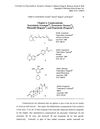
Isotretinoin and tazarotene help treat acne, while minoxidil and finasteride promote hair growth.

Testosterone pellet therapy may better address hormone imbalances in aging by focusing on local hormone production and symptom relief.
 December 2025 in “Zenodo (CERN European Organization for Nuclear Research)”
 Medicinal herbs like Aloe vera and neem are beneficial for hair and skin health.
 6 citations
,
January 2020 in “International journal of biological sciences”
6 citations
,
January 2020 in “International journal of biological sciences” Removing the ROBO4 gene in mice reduces skin inflammation and hair loss by affecting certain inflammation pathways and gene expression.
 April 2024 in “International Journal of Advanced Research in Science Communication and Technology”
 Ayurvedic plants may help treat PCOD by affecting hormones and ovarian health.
June 2023 in “Clinical Chemistry” Unregulated supplements can contain hidden drugs causing misleading symptoms and test results.
 5 citations
,
June 2020 in “Experimental dermatology”
5 citations
,
June 2020 in “Experimental dermatology” Redheaded people may have evolved to efficiently make vitamin D in areas with less sunlight.
October 2025 in “Aquaculture” Coconut oil boosts testosterone but doesn't fully trigger reproductive maturity in pufferfish.
July 2022 in “Zenodo (CERN European Organization for Nuclear Research)” The study investigated the effects of methanolic extracts from Piptadeniastrum africanum and Cordia plathytyrsa on testosterone levels and metabolic parameters in male Wistar rats. The extracts significantly increased testosterone levels by up to 93% without inducing oxidative stress or altering total cholesterol, glycemia, serum protein levels, or markers of hepatic toxicity. However, P. africanum increased triglyceride levels, and a higher dose of C. plathytyrsa raised creatinine levels. The study concluded that while C. plathytyrsa enhanced testosterone synthesis, it did not affect all evaluated metabolic parameters.
12 citations
,
March 2023 in “Processes” Plant surfactants from quinoa and soybeans are effective, safe, and eco-friendly for shampoos.
 40 citations
,
May 2014 in “PLoS ONE”
40 citations
,
May 2014 in “PLoS ONE” Chronic stress can reduce skin pigmentation.