 8 citations
,
January 2008 in “Annals of Dermatology”
8 citations
,
January 2008 in “Annals of Dermatology” Combining Cyclosporine A with low-dose corticosteroids effectively treats severe alopecia areata.
1 citations
,
January 2011 in “Journal of the American Academy of Dermatology” The combination of minoxidil and cyclosporine improved hair growth in short anagen syndrome.
 May 2015 in “Journal of The American Academy of Dermatology”
 Combination therapy with cyclosporine and low-dose corticosteroid shows favorable long-term results for treating alopecia areata.
 1 citations
,
November 2001 in “British Journal of Dermatology”
1 citations
,
November 2001 in “British Journal of Dermatology” Oral cyclosporin doesn't stop hair loss.
 18 citations
,
March 1990 in “Archives of Dermatology”
18 citations
,
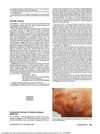
March 1990 in “Archives of Dermatology” Cyclosporine cleared a woman's resistant skin condition quickly and kept it away for over a year.
3 citations
,
November 2022 in “The Egyptian Rheumatologist” Macrophage activation syndrome can be a deadly first sign of systemic lupus erythematosus.
1 citations
,
April 2025 in “Acta Dermato Venereologica” Methotrexate is best for lichen planopilaris, and retinoids are best for frontal fibrosing alopecia, but side effects are common.
November 2025 in “JEADV Clinical Practice” Leflunomide may lower alopecia areata risk, while other immunomodulators might increase it.
July 2025 in “Journal of Investigative Dermatology” Leflunomide may reduce the risk of alopecia areata, while methotrexate, cyclosporine, and rituximab may increase it.
Janus kinase inhibitors are the most supported treatment for pediatric alopecia areata, while other options have limited evidence.
 January 2025 in “Biomedical Reports”
 Telitacicept helped stabilize complement levels in a patient with lupus and thyroid cancer.
 May 2023 in “Elsevier eBooks”
 Systemic immunotherapies are used for immune-related hair loss but not usually for genetic hair loss, unless the patient has both conditions.
 1 citations
,
January 2017 in “Expert opinion on orphan drugs”
1 citations
,
January 2017 in “Expert opinion on orphan drugs” Adalimumab is the most effective treatment for severe hidradenitis suppurativa, but more research is needed to improve treatment options.
 4 citations
,
January 2024 in “JEADV. Journal of the European Academy of Dermatology and Venereology/Journal of the European Academy of Dermatology and Venereology”
4 citations
,
January 2024 in “JEADV. Journal of the European Academy of Dermatology and Venereology/Journal of the European Academy of Dermatology and Venereology” Baricitinib and ritlecitinib are recommended for severe alopecia areata, with other treatments available off-label.
 June 2026 in “Eurasian Journal of Medicine”
 Baricitinib effectively regrew hair in a woman with alopecia universalis after other treatments failed.
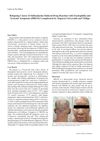 18 citations
,
November 2018 in “Annals of the Academy of Medicine Singapore”
18 citations
,
November 2018 in “Annals of the Academy of Medicine Singapore” Sulfasalazine can cause severe allergic reactions leading to long-term autoimmune issues like hair loss and skin discoloration.
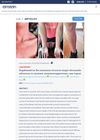 4 citations
,
January 2019 in “Einstein (São Paulo)”
4 citations
,
January 2019 in “Einstein (São Paulo)” Dupilumab improved severe atopic dermatitis in a patient who didn't respond to other treatments.
 35 citations
,
May 2012 in “Expert Opinion on Pharmacotherapy”
35 citations
,
May 2012 in “Expert Opinion on Pharmacotherapy” The document concludes that there are various treatments for different types of alopecia, but more research is needed for evidence-based treatments.
 2 citations
,
February 2009 in “Journal of the American Academy of Dermatology”
2 citations
,
February 2009 in “Journal of the American Academy of Dermatology” Injecting triamcinolone into the eyebrow area may help eyelash regrowth in alopecia areata patients.
Alopecia areata, a type of hair loss, may be passed through T cells and has genetic links, while treatments vary in effectiveness. Male pattern baldness can be treated with finasteride and is influenced by androgens in hair follicles.
 117 citations
,
March 2013 in “Journal of the European Academy of Dermatology and Venereology”
117 citations
,
March 2013 in “Journal of the European Academy of Dermatology and Venereology” No effective treatment for frontal fibrosing alopecia was found, but oral 5-alpha-reductase inhibitors had the best response; for lichen planopilaris, topical corticosteroids were commonly used but had a high relapse rate.
 1 citations
,
July 2018 in “Elsevier eBooks”
1 citations
,
July 2018 in “Elsevier eBooks” Alopecia Areata is an autoimmune hair loss condition, with various treatments showing mixed effectiveness and no guaranteed cure.
 7 citations
,
October 2015 in “Actas Dermo-Sifiliográficas”
7 citations
,
October 2015 in “Actas Dermo-Sifiliográficas” New treatments for Frontal Fibrosing Alopecia show promise, especially finasteride and dutasteride, with most patients seeing improvement or stabilization.
67 citations
,
July 2011 in “Clinical, cosmetic and investigational dermatology” The document suggests a personalized treatment plan for alopecia areata based on the patient's age and hair loss severity, using a range of therapies ranked by effectiveness and safety.
 11 citations
,
May 2009 in “Actas Dermo-Sifiliográficas”
11 citations
,
May 2009 in “Actas Dermo-Sifiliográficas” Some treatments can help hair regrowth in alopecia areata, but none offer a cure, and effectiveness varies.
5 citations
,
July 2020 in “Recent patents on inflammation & allergy drug discovery” Childhood Alopecia Areata causes hair loss and requires varied treatments, with psychological support being crucial.
 August 2024 in “Journal of Clinical Medicine”
 Systemic treatments like hydroxychloroquine and cyclosporine A help with Lichen Planopilaris and Frontal Fibrosing Alopecia, but ongoing treatment is needed.
 January 2016 in “Kafkas Journal of Medical Sciences”
 Turkish pregnant women commonly experienced skin issues like itching and acne, and doctors mainly used topical treatments due to safety concerns during pregnancy.
 March 2025 in “International Journal of Scientific Research in Science and Technology”
 Early diagnosis and personalized treatment can lead to significant hair regrowth in children with alopecia areata.
 July 2025 in “International Journal of Pharmaceutical Sciences Review and Research”
 Individualized treatment and psychological support improved the patient's quality of life and appearance despite medication side effects.