 73 citations
,
June 2010 in “PLoS Genetics”
73 citations
,
June 2010 in “PLoS Genetics” A gene mutation in mice causes hair loss, weak bones, and protein buildup, showing how protein processing issues can lead to diseases.
 2 citations
,
August 2022 in “JAAD case reports”
2 citations
,
August 2022 in “JAAD case reports” COVID-19 vaccines may rarely worsen hair loss in people with severe alopecia, but the benefits of vaccination still outweigh this risk.
50 citations
,
December 2006 in “Bone” Exemestane may protect bones by stimulating osteoblast growth through androgen-related pathways.
 34 citations
,
September 2020 in “BMC Endocrine Disorders”
34 citations
,
September 2020 in “BMC Endocrine Disorders” Existing drug dexamethasone may lower death risk in severe COVID-19 cases; more research needed for other drugs.
 April 2018 in “Dermatologic Surgery”
 A new surgical technique using vellus hair grafts effectively treated vitiligo without causing unwanted hair growth.
 69 citations
,
August 2008 in “Journal of The European Academy of Dermatology and Venereology”
69 citations
,
August 2008 in “Journal of The European Academy of Dermatology and Venereology” Oral dutasteride and topical pimecrolimus can safely and effectively treat Frontal Fibrosing Alopecia, leading to significant hair regrowth.
April 2021 in “Texila international journal of academic research” Both topical and oral finasteride are equally effective for treating male pattern baldness.
 40 citations
,
September 2018 in “Journal of the American Academy of Dermatology”
40 citations
,
September 2018 in “Journal of the American Academy of Dermatology” Tofacitinib helped some young children with severe hair loss grow their hair back without bad side effects.
 September 2025 in “Dermatology and Therapy”
 Baricitinib is a promising treatment for alopecia areata in the UAE, but there are challenges with data and access.
 182 citations
,
December 2017 in “Journal of the American Academy of Dermatology”
182 citations
,
December 2017 in “Journal of the American Academy of Dermatology” Some treatments can help with a hair loss condition called alopecia areata, but none ensure lasting results; choices depend on the person, with JAK inhibitors showing promise for severe cases.
108 citations
,
April 2004 in “Medicinal Research Reviews” Steroid sulfatase inhibitors could help treat hormone-related disorders and cancers.
83 citations
,
June 2017 in “Journal of the American Academy of Dermatology” Topical JAK inhibitors may help children with alopecia areata regrow hair.
 37 citations
,
October 2017 in “Clinical and Experimental Dermatology”
37 citations
,
October 2017 in “Clinical and Experimental Dermatology” Oral tofacitinib shows promise in treating atopic dermatitis and alopecia areata, but only slight improvement in vitiligo.
 24 citations
,
January 2018 in “International Journal of Trichology”
24 citations
,
January 2018 in “International Journal of Trichology” Tofacitinib helped regrow hair in patients with alopecia, with few side effects.
 19 citations
,
May 1992 in “International Journal of Dermatology”
19 citations
,
May 1992 in “International Journal of Dermatology” Some alternative vitiligo treatments show promise, but none are as effective as psoralens and UVA.
 7 citations
,
April 2021 in “British Journal of Dermatology”
7 citations
,
April 2021 in “British Journal of Dermatology” Topical tofacitinib may effectively and safely regrow facial hair in some people with alopecia areata.
 5 citations
,
January 2020 in “Skin appendage disorders”
5 citations
,
January 2020 in “Skin appendage disorders” Oral dutasteride works better for hair loss, but has more sexual side effects; intralesional dutasteride is a possible alternative.
 3 citations
,
September 2024 in “Dermatology and Therapy”
3 citations
,
September 2024 in “Dermatology and Therapy” Previous alopecia areata treatments do not affect the long-term effectiveness of ritlecitinib.
2 citations
,
May 2025 in “Archives of Dermatological Research” JAK inhibitors do not increase cancer risk in severe alopecia areata compared to traditional treatments.
 2 citations
,
April 2023 in “JEADV. Journal of the European Academy of Dermatology and Venereology/Journal of the European Academy of Dermatology and Venereology”
2 citations
,
April 2023 in “JEADV. Journal of the European Academy of Dermatology and Venereology/Journal of the European Academy of Dermatology and Venereology” JAK-inhibitors for alopecia areata are generally safe with mostly mild side effects and a low rate of treatment withdrawal.
 1 citations
,
November 2011 in “Journal of AIDS & Clinical Research”
1 citations
,
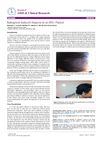
November 2011 in “Journal of AIDS & Clinical Research” Raltegravir may cause hair loss in some patients.
JAK inhibitors effectively regrow hair in alopecia areata but hair loss often returns after stopping treatment.
 August 2025 in “Dermatology and Therapy”
 JAK inhibitors show promise for treating alopecia areata but have serious side effects.
March 2025 in “European Journal of Medical Genetics” Tofacitinib helped improve symptoms and hair growth in a patient with Aicardi-Goutières syndrome.
 April 2023 in “Revista colombiana de reumatología”
 JAK inhibitors like tofacitinib can effectively treat severe alopecia areata.
January 2018 in “Figshare” Ruxolitinib and tofacitinib are effective and safe for treating severe alopecia areata.
 July 2011 in “Springer eBooks”
 The document concluded that FDA-approved treatments like minoxidil and finasteride are effective for hair loss, while the effectiveness of natural remedies and other non-approved treatments is not well-supported by evidence.
 January 2025 in “Biomedical Reports”
 Telitacicept helped stabilize complement levels in a patient with lupus and thyroid cancer.
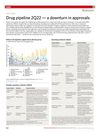 August 2022 in “Nature Biotechnology”
 Drug approvals slowed in 2Q22, but notable drugs like Amvuttra, Camzyos, and Olumiant were approved.
 June 2018 in “Journal of Dermatological Science”
 UV radiation may cause DNA changes in skin, certain UVB therapy helps psoriasis, a new gene mutation is linked to mild piebaldism, different immune cells affect psoriasis, a drug promotes hair growth, and some cancer drugs could treat skin barrier issues.