 44 citations
,
November 1998 in “Australasian Journal of Dermatology”
44 citations
,
November 1998 in “Australasian Journal of Dermatology” Accurate diagnosis is key for treating different kinds of hair loss, and immune response variations may affect the condition and treatment results.
10 citations
,
October 1992 in “PubMed” Anti-phospholipid antibodies in SLE can cause thrombosis and bone necrosis.
8 citations
,
June 1982 in “Journal of adolescent health care” Teenage girls with Lupus often struggle with the disease's impact on their looks, which may lead them to change their medication without a doctor's advice.
5 citations
,
May 2022 in “International Journal of Surgery Case Reports” Pericardiocentesis and immunosuppressants effectively treat cardiac tamponade in pregnant women with SLE.
 4 citations
,
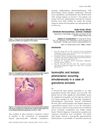
January 2009 in “Indian Journal of Dermatology, Venereology and Leprology”
4 citations
,
January 2009 in “Indian Journal of Dermatology, Venereology and Leprology” A patient with granuloma annulare experienced both isotopic and isomorphic responses, with skin lesions responding to steroids but relapsing after stopping treatment.
3 citations
,
February 2021 in “Pediatric rheumatology online journal” A girl with lupus and trisomy X has a higher risk of bone problems like avascular necrosis and osteoporosis.
1 citations
,
January 2024 in “Arab Board Medical Journal” Tofacitinib effectively regrows hair in alopecia areata patients, especially in younger individuals, with manageable side effects.
1 citations
,
January 2011 in “Journal of the American Academy of Dermatology” The combination of minoxidil and cyclosporine improved hair growth in short anagen syndrome.
June 2026 in “Scientific Reports” Testosterone makes XX skin more like male skin by changing its structure and cell makeup.
 May 2024 in “Australasian journal of dermatology”
 A man with a type of skin lymphoma had unusual yellowish skin growths despite normal blood lipid levels, and treatment reduced some symptoms but not the growths.
 October 2023 in “The American Journal of Gastroenterology”
 Cronkhite-Canada syndrome is rare, with high mortality and cancer risk, needing more research for treatment guidelines.
 February 2021 in “International journal of research in dermatology”
 A boy's hair, nails, and skin improved after 6 months of steroid treatment.
 June 2020 in “Annals of the Rheumatic Diseases”
 Patients with Systemic Sclerosis have much higher levels of GDF-15, which could help predict organ involvement and guide treatment.
 February 2013 in “Journal of The American Academy of Dermatology”
 Oral propranolol successfully treated a baby's skin growth and ulceration linked to PELVIS syndrome.
68 citations
,
May 2024 in “International Journal of Molecular Sciences” Personalized acne treatments and new therapies show promise for better results.
 61 citations
,
January 2019 in “American Journal of Clinical Dermatology”
61 citations
,
January 2019 in “American Journal of Clinical Dermatology” The cause of Frontal Fibrosing Alopecia is unclear, diagnosis involves clinical evaluation and various treatments exist, but their effectiveness is uncertain.
 18 citations
,
January 2017 in “Journal der Deutschen Dermatologischen Gesellschaft”
18 citations
,
January 2017 in “Journal der Deutschen Dermatologischen Gesellschaft” High and low doses of prednisolone helped 62% of children with severe alopecia regrow hair with some weight gain and mild acne as side effects.
 9 citations
,
March 1985 in “Head & Neck Surgery”
9 citations
,
March 1985 in “Head & Neck Surgery” Topical minoxidil is the most promising treatment for male pattern hair loss, but more research is needed to confirm its effectiveness and safety.
1 citations
,
April 2025 in “Skin Health and Disease” Abrocitinib is being evaluated for safety and effectiveness in treating moderate to severe atopic dermatitis.
 1 citations
,
January 2010 in “Serbian Journal of Dermatology and Venereology”
1 citations
,
January 2010 in “Serbian Journal of Dermatology and Venereology” The document concludes that effective acne treatment requires a personalized combination of therapies and long-term commitment, with retinoids being important for maintenance.
 December 2024 in “Dermatological Reviews”
 New treatments for Alopecia Areata, like JAK inhibitors, are effective, and future research is exploring advanced therapies.
 January 2018 in “Springer eBooks”
 Terbinafine is the most effective medicine for fungal nail infections, especially for diabetics and those with weak immune systems.
 February 2026 in “MDPI (MDPI AG)”
 Emerging injectable treatments like PRP, stem cells, and exosomes show promise for safer, more effective hair growth.
 December 2025 in “Cosmoderma”
 Systemic corticosteroids help manage vitiligo by slowing progression and aiding repigmentation.
12 citations
,
October 2016 in “Patient Preference and Adherence” Both patients and physicians are often dissatisfied with the control of systemic lupus erythematosus and lupus nephritis.
January 2026 in “Journal of Clinical Medicine” Janus kinase inhibitors reduce inflammation markers in severe alopecia areata patients.
 100 citations
,
July 2004 in “The Journal of Sexual Medicine”
100 citations
,
July 2004 in “The Journal of Sexual Medicine” Hormones like estrogen, testosterone, progesterone, and prolactin play complex roles in female sexual function, with testosterone potentially improving sexual desire, arousal, and satisfaction. However, more research is needed to establish safe and effective hormone treatments for female sexual dysfunction.
 78 citations
,
June 2021 in “Dermatology and Therapy”
78 citations
,
June 2021 in “Dermatology and Therapy” Future acne treatments should aggressively target inflammation to prevent scarring.
 66 citations
,
September 2008 in “Dermatologic therapy”
66 citations
,
September 2008 in “Dermatologic therapy” The conclusion is that the best initial treatment for hirsutism is usually oral contraceptives, with the addition of antiandrogens or insulin sensitizers if needed, and topical eflornithine or laser treatments as supplementary options.
 42 citations
,
February 1985 in “Journal of the American Academy of Dermatology”
42 citations
,
February 1985 in “Journal of the American Academy of Dermatology” Excessive hair growth can be assessed by history, exam, and blood tests, and treated with medication like dexamethasone, birth control pills, and spironolactone.