 August 2016 in “Journal of Investigative Dermatology”
 Blocking the CCR5 receptor may be a new way to treat hair loss from alopecia areata.
 March 2014 in “Journal of The American Academy of Dermatology”
 Azathioprine may help with severe hair loss, a new topical treatment could counteract hair thinning, and trichoscopy can diagnose hair-pulling disorder effectively.
 April 2011 in “한국생물공학회 학술대회”
 Lotion with fucoidan from brown seaweed improved skin and reduced allergy symptoms in mice with dermatitis.
 November 1998 in “Journal of The European Academy of Dermatology and Venereology”
 A man's skin cancer improved and some of his hair grew back after treatment with a special light therapy and a medication.
 July 1980 in “Journal of The American Academy of Dermatology”
 The conference concluded that understanding hair and nail disorders is important, iron deficiency may be linked to hair loss, and while some treatments for skin conditions are effective, they may have risks and high costs.
December 2025 in “ACS Applied Bio Materials” The aloe-collagen dressing speeds up wound healing effectively.
 July 2025 in “Archives of Toxicology”
 The new skin model can predict how chemicals might cause skin allergies.
 January 2007 in “Elsevier eBooks”
 Alopecia areata is a reversible, autoimmune-related hair loss that can have significant emotional impact and uncertain treatment effectiveness.
 49 citations
,
April 2000 in “Journal of The American Academy of Dermatology”
49 citations
,
April 2000 in “Journal of The American Academy of Dermatology” Despite progress in treatment, the exact cause of Alopecia areata is still unknown.
 22 citations
,
June 2013 in “Australasian Journal of Dermatology”
22 citations
,
June 2013 in “Australasian Journal of Dermatology” Early stage bald spots are linked to skin inflammation and damage to the upper part of the hair follicle.
5 citations
,
July 2020 in “Recent patents on inflammation & allergy drug discovery” Childhood Alopecia Areata causes hair loss and requires varied treatments, with psychological support being crucial.
 4 citations
,
May 2019 in “Journal of The European Academy of Dermatology and Venereology”
4 citations
,
May 2019 in “Journal of The European Academy of Dermatology and Venereology” Hair loss treatment caused more hair loss in a man.
4 citations
,
September 2011 in “Journal of the American Academy of Dermatology” A man developed a skin cancer called folliculotropic mycosis fungoides after a kidney transplant.
1 citations
,
August 2005 in “Springer eBooks” Alopecia areata is an autoimmune disease with genetic links, treatable with certain medications, and can affect mental health.
 June 2024 in “Journal of Allergy and Clinical Immunology”
 TSLP affects atopic dermatitis by increasing sebum and reducing fat through IL-4/IL-13 signaling.
 June 2024 in “Archives of Medical Science”
 Telitacicept effectively improved hair regrowth in a woman with lupus and alopecia.
 December 2021 in “Research Square (Research Square)”
 M-CSF-stimulated myeloid cells can cause alopecia areata in mice.
 84 citations
,
March 2004 in “Veterinary Dermatology”
84 citations
,
March 2004 in “Veterinary Dermatology” Cyclosporin is effective in treating dog skin diseases and has fewer side effects compared to other treatments.
57 citations
,
May 1980 in “International Journal of Dermatology” Langerhans cells are crucial for skin immunity and allergic reactions.
 16 citations
,
April 2007 in “Journal of Medical Primatology”
16 citations
,
April 2007 in “Journal of Medical Primatology” The monkey's hair loss was due to an autoimmune disease, not genetics.
 14 citations
,
January 2005 in “Pediatric Dermatology”
14 citations
,
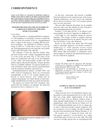
January 2005 in “Pediatric Dermatology” UVA1-light therapy successfully treated a child's skin condition, mycosis fungoides.
3 citations
,
December 2003 in “Archives of Pathology & Laboratory Medicine” The nodule was a benign cutaneous lymphadenoma, not cancer, and was successfully removed.
 2 citations
,
August 2015 in “Journal of dermatology”
2 citations
,
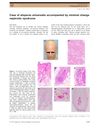
August 2015 in “Journal of dermatology” A possible link exists between minimal change nephrotic syndrome and complete hair loss.
1 citations
,
April 2017 in “Journal of Investigative Dermatology” ZNF750 and MPZL3 are important in causing seborrheic dermatitis.
 February 2026 in “Ciencia Latina Revista Científica Multidisciplinar”
 Early recognition and thyroid evaluation are crucial for managing diffuse alopecia areata linked to autoimmune thyroid disease.
 January 2025 in “Recent Patents on Anti-Cancer Drug Discovery”
 The treatment showed high response rates and was well-tolerated, potentially extending patient survival.
October 2024 in “International journal of medicine and psychology.” Targeted immune modulation can help achieve stable remission in alopecia areata.
 June 2023 in “Zenodo (CERN European Organization for Nuclear Research)”
 Inflammation in hair follicles is a key risk factor for developing common baldness.
December 2019 in “Global pharmaceutical sciences review” New treatments for alopecia are being explored due to the limitations of current options.
 September 2019 in “Journal of Investigative Dermatology”
 Researchers developed a 3D skin model with its own immune and blood vessel cells to better understand skin health and disease.