Search
for
Sort by
Research
510-540 / 1000+ resultsresearch Comparative immunohistochemical analysis suggests a conserved role of EPS8L1 in epidermal and hair follicle barriers of mammals

research Data from Mobilizing Transit-Amplifying Cell-Derived Ectopic Progenitors Prevents Hair Loss from Chemotherapy or Radiation Therapy
Activating certain hair follicle cells could prevent hair loss from cancer treatments.
research PD23-01 INHIBITOR OF 5A-REDUCTASE TYPES II PROMOTES THE INFILTRATION OF CD8+T CELLS IN BPH TISSUES.
Finasteride increases CD8+ T cells in BPH tissues.
research Mesenchymal cell specific deletion of Tsc2 regulates hair follicle development and patterning
TSC2 is crucial for proper hair follicle development and patterning.
research MẤT CÂN BẰNG GIỮA TẾ BÀO T ĐIỀU HÒA VÀ TẾ BÀO T GÂY ĐỘC TẾ BÀO TRONG RỤNG TÓC TỪNG MẢNG: KHI ĐẶC QUYỀN MIỄN DỊCH SỤP ĐỔ
Imbalance in immune cells causes hair loss in alopecia areata.
research Thymosin β4 and Actin: Binding Modes, Biological Functions and Clinical Applications
Thymosin β4 helps in cell activities, healing, and organ preservation, and treats hair loss and skin injuries.
research Isolation of Multipotent Nestin-Expressing Stem Cells Derived from the Epidermis of Elderly Humans and TAT-VHL Peptide-Mediated Neuronal Differentiation of These Cells
Stem cells from elderly skin can become neurons, offering potential for brain therapy.
research Transposon control as a checkpoint for tissue regeneration
Controlling transposable elements is crucial for successful tissue regeneration.

research IMMUNOTHERAPY OF CANCER: IMMUNE CHECKPOINT BLOCKERS, VACCINES AND ADOPTIVE T CELL THERAPIES
Enhancing immune response can improve cancer treatment effectiveness.
research Author response: ETS family transcriptional regulators drive chromatin dynamics and malignancy in squamous cell carcinomas
ETS2 is crucial in squamous cell carcinoma development and could be a therapeutic target.
research 265 Modulation of disease-central cytokine pathways with TAK-279, a highly selective oral tyrosine kinase 2 (TYK2) inhibitor, defines clinical response in patients with psoriasis
TAK-279 effectively reduces psoriasis symptoms and is safe.
research Identification of Transcripts Commonly Expressed in Both Hematopoietic and Germ-Line Stem Cells
Seven genes are highly expressed in both germ-line and hematopoietic stem cells.
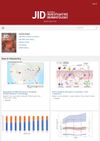
research 569 Hypoxic response of the expression of TGF-β2 and BMP4 in human dermal papilla cells
Low oxygen levels affect the behavior of certain proteins in human skin cells.

research YAP and TAZ are essential for basal and squamous cell carcinoma initiation
YAP and TAZ proteins are necessary for the development of two types of skin cancer.

research Human Dermal Fibroblasts Demonstrate Positive Immunostaining for Neuron- and Glia- Specific Proteins
Fibroblasts can be mistaken for neural cells, so functional validation is needed.
research TLR3 Activation Stimulates Autophagy Gene Expression in Keratinocytes
Activating TLR3 boosts autophagy gene expression in skin cells.

research Analysis of Thymosin β4 and Vascular Endothelial Cell Growth Factor (VEGF) Expression in Normal Human Tissues Using Tissue Microarray
Thymosin β4 and VEGF are important for blood vessel formation in many organs.

research Urticaria Neonatorum: Accumulation of tryptase‐expressing mast cells in the skin lesions of newborns with Erythema Toxicum
Newborns with the common rash Erythema Toxicum have many active mast cells in their skin, but these cells don't produce the LL-37 peptide.
research Intravital longitudinal wide-area imaging of dynamic bone marrow engraftment and multilineage differentiation through nuclear-cytoplasmic labeling
Transplanted bone marrow cells actively move, form clusters, and grow after transplantation.
research Thyroid peroxidase Antibody (TPO Ab) Can Be Used As a Marker For Persistence of Symptoms of Hypothyroidism in Patients with Primary Hypothyroidism Despite Normal TSH Level: Cross-Sectional Study
TPO antibodies can help identify hypothyroid patients who still have symptoms despite normal TSH levels.
research Angiogenic effects of recombinant thymosin β4 in a mouse hindlimb ischemia model
Recombinant thymosin β4 promotes blood vessel growth and reduces muscle damage.

research LB943 Tofacitinib treatment of inflammatory skin conditions in patients with Down Syndrome
Tofacitinib helps improve skin conditions in people with Down syndrome, especially alopecia areata.

research Thymosin β4 Promotes Dermal Healing
Thymosin β4 helps improve skin healing and reduce scarring.

research Regenerative potential of CD200- subpopulations of hair follicle bulge
CD200- cells in hair follicles have a higher ability to regenerate hair.
research Tracing immune cells around biomaterials with spatial anchors during large-scale wound regeneration
Biodegradable scaffolds help regenerate wounds and hair by activating the immune system.

research 014 Tyrosine Kinase 2 Inhibition Ameliorates the Phenotype of Lesional Alopecia Areata Scalp Skin Ex Vivo, and Reverses the Induction of Human Alopecia Areata in a Humanized Mouse Model
TYK2 inhibition may help treat alopecia areata by promoting hair growth and reducing immune response.
research Innate immunity and the regulation and mobilization of keratinocyte stem cells: are the old players playing a new game?
Innate immunity genes in hair follicle stem cells might have new roles beyond traditional immune functions.

research Increased Expression of TSPEAR in Colorectal Cancer Predicts Poor Prognosis
High TSPEAR levels in colorectal cancer predict worse outcomes.
research Tanshinone IIA pretreatment protects free flaps against hypoxic injury by upregulating stem cell-related biomarkers in epithelial skin cells
Tanshinone IIA helps protect skin tissue from low oxygen damage by boosting certain cell markers.