15 citations
,
January 2015 in “Stem cells international” Human hair follicle stem cells can be turned into red blood cells.
 February 2016 in “The journal of allergy and clinical immunology/Journal of allergy and clinical immunology/The journal of allergy and clinical immunology”
 A new TP63 mutation was found in a baby with EEC syndrome, showing the need for TREC testing to check for immune issues.
17 citations
,
January 2010 in “PubMed” CD10 helps distinguish between basal cell carcinoma and benign hair follicle tumors.
9 citations
,
December 2021 in “Journal of Cellular and Molecular Medicine” HAT-MSCs can effectively engulf harmful microbes and particles, aiding infection treatment.
 June 2026 in “Current Oncology Reports”
 Sacituzumab Tirumotecan shows promise in treating gynecologic cancers with manageable side effects.
 July 2022 in “The journal of investigative dermatology/Journal of investigative dermatology”
 The early genes of a specific virus can cause abnormal skin cell growth and hair follicle changes.
 1 citations
,
May 2021 in “Annals of the rheumatic diseases”
1 citations
,
May 2021 in “Annals of the rheumatic diseases” Tofacitinib is a promising treatment for children with rheumatic diseases.
 April 2017 in “Journal of Investigative Dermatology”
 A virus protein can activate a pathway that may lead to abnormal hair follicle development.
 12 citations
,
February 2010 in “Journal of the European Academy of Dermatology and Venereology”
12 citations
,
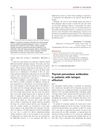
February 2010 in “Journal of the European Academy of Dermatology and Venereology” Some people with chronic hair loss may have thyroid autoimmunity.
1 citations
,
January 2024 in “Pharmaceuticals” A new carrier improves skin delivery of tofacitinib for treating inflammatory skin diseases.
2 citations
,
January 2020 in “Enlighten: Theses (The University of Glasgow)” Alopecia areata is an autoimmune disease causing hair loss, and targeting macrophages may help treat it.
September 1999 in “Molecular Carcinogenesis” Increased ODC expression makes normally tumor-resistant mice more prone to tumor development.
IL-1 signaling is crucial for hair follicle stem cell growth and wound healing.
14 citations
,
January 2023 in “Nature Immunology” iNKT cells help develop and maintain healthy skin in young mice.
September 2025 in “Immunological Reviews” The skin can independently form immune responses through special structures, offering new ways to treat skin diseases.
1 citations
,
August 2025 in “Bioengineering” Combining FTSC with TSN6 peptide greatly improves wound healing.
6 citations
,
January 2010 in “Journal of Biochemical and Molecular Toxicology” The ID2 gene can help distinguish between sensitizers and irritants in skin cells.
 November 2022 in “Journal of Investigative Dermatology”
 Autophagy in skin cells is important for preventing inflammation, skin tumors, and controlling hair growth timing.
1 citations
,
October 2021 in “bioRxiv (Cold Spring Harbor Laboratory)” Heat shock proteins help basal cell carcinoma grow by responding to inflammation signals.
60 citations
,
December 1988 in “Journal of Biochemical Toxicology” TCDD reduces EGF receptors in the liver, affecting growth and development.
May 2022 in “The journal of immunology/The Journal of immunology” FOXN1 is crucial for thymus development and immune response in Xenopus laevis.
6 citations
,
March 2018 in “The American journal of dermatopathology/American journal of dermatopathology” BerEP4 and CD34 staining can help tell apart tricholemmoma from basal cell carcinoma.
Higher PD-1 levels mean fewer CD8+ T cells in alopecia areata hair follicles.
 4 citations
,
May 2014 in “Biochemical Society Transactions”
4 citations
,
May 2014 in “Biochemical Society Transactions” Environmental cues can change the fate and function of epithelial cells, with potential for cell therapy.
 November 2024 in “Malaysian Journal of Microbiology”
 Patients with thyroid disorders show different symptoms and antibody levels.
37 citations
,
April 2013 in “PLoS ONE” Thymosin Beta 4 helps human dental pulp cells develop into tooth-forming cells, suggesting it could aid dental regeneration.
 2 citations
,
July 2007 in “Cancer biology & therapy”
2 citations
,
July 2007 in “Cancer biology & therapy” Bexxar is highly effective as a first treatment for non-Hodgkin's lymphoma, with most patients alive and many in remission after eight years.
 11 citations
,
September 2011 in “Biochemical journal”
11 citations
,
September 2011 in “Biochemical journal” Neurotrophin-4 increases calcium current in specific mouse neurons through the PI3K pathway.
 2 citations
,
January 2022 in “BioMed Research International”
2 citations
,
January 2022 in “BioMed Research International” LED light therapy at 863 nm wavelength can slow down skin tumor growth and reduce inflammation in mice.
 April 2023 in “The journal of investigative dermatology/Journal of investigative dermatology”
 People with alopecia areata have fewer IL-10 producing immune cells, which might contribute to the condition.