July 2022 in “Journal of Cosmetic Dermatology” Isotretinoin with tacrolimus may be more effective short-term for treating frontal fibrosing alopecia than finasteride with tacrolimus.
 37 citations
,
October 2017 in “Clinical and Experimental Dermatology”
37 citations
,
October 2017 in “Clinical and Experimental Dermatology” Oral tofacitinib shows promise in treating atopic dermatitis and alopecia areata, but only slight improvement in vitiligo.
 78 citations
,
March 2017 in “JAMA Dermatology”
78 citations
,
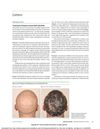
March 2017 in “JAMA Dermatology” Tofacitinib helped regrow hair in people with severe alopecia, but side effects occurred and benefits stopped after treatment ended.
 2 citations
,
January 2020 in “Einstein (São Paulo)”
2 citations
,
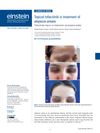
January 2020 in “Einstein (São Paulo)” Topical tofacitinib shows promise as a future treatment for alopecia areata.
 41 citations
,
December 2015 in “JAMA Dermatology”
41 citations
,
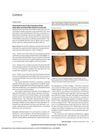
December 2015 in “JAMA Dermatology” Tofacitinib citrate improved nail dystrophy and pain in patients with alopecia universalis without causing side effects.
 September 2022 in “XXXIX Congresso Brasileiro de Reumatologia”
 Tofacitinib may effectively treat skin symptoms in difficult cases of dermatomyositis.
 11 citations
,
February 2021 in “Journal of Cosmetic Dermatology”
11 citations
,
February 2021 in “Journal of Cosmetic Dermatology” Oral tofacitinib helped regrow hair in over half of the patients with severe alopecia, but relapses and side effects were common.
June 2025 in “British Journal of Dermatology” Tofacitinib is more effective than methotrexate for treating moderate-to-severe alopecia areata.
 February 2011 in “Annales de dermatologie et de vénéréologie”
 Tofacitinib shows promise for treating severe alopecia areata with good safety and effectiveness.
2 citations
,
May 2016 in “Journal of Clinical Oncology” Topical calcitriol may reduce hair loss from chemotherapy at higher doses.
February 2026 in “Journal of Cosmetic Dermatology” Combining triamcinolone acetonide with cryotherapy may reduce scalp hair loss more than using triamcinolone alone.
 January 2025 in “The Egyptian Journal of Hospital Medicine”
 Baricitinib is effective and safe for treating localized vitiligo, alone or with topical tacrolimus.
 11 citations
,
January 2018 in “Acta dermato-venereologica”
11 citations
,
January 2018 in “Acta dermato-venereologica” Tofacitinib works better and is more tolerable for severe alopecia than conventional treatments and DPCP immunotherapy.
 33 citations
,
September 2007 in “Veterinary dermatology”
33 citations
,
September 2007 in “Veterinary dermatology” Topical 0.1% tacrolimus significantly improved ear infections in cats.
 November 2025 in “Turkish Journal of Dermatology”
 Both baricitinib and tofacitinib effectively reduce alopecia areata severity, with tofacitinib showing more improvement over longer use.
July 2024 in “Journal of Controlled Release” Nanostructured lipid carriers effectively deliver tofacitinib to hair follicles, reversing hair loss in alopecia areata.
 November 2023 in “Journal of Cosmetic Dermatology”
 Tofacitinib is effective and has minor, reversible side effects for treating severe hair loss in Iran.
 June 2024 in “Archives of Medical Science”
 Telitacicept effectively improved hair regrowth in a woman with lupus and alopecia.
 October 2025 in “International Journal of Risk & Safety in Medicine”
 Oral tofacitinib successfully treated a girl's severe skin and hair conditions.
June 2026 in “Indian Dermatology Online Journal” Tofacitinib may work better than methotrexate for treating moderate-to-severe alopecia areata.
 October 2021 in “Dermatology Reports”
 Tofacitinib, a hair regrowth treatment, may worsen acne.
1 citations
,
April 2007 in “PubMed” Tacrolimus helps mice grow hair by activating hair follicles.
2 citations
,
June 2020 in “Clinical Journal of Gastroenterology” Tofacitinib effectively treated both ulcerative colitis and alopecia areata in two patients.
July 2026 in “Journal of Cutaneous and Aesthetic Surgery” Vitamin D3 injections are as effective and potentially safer than TAC for treating alopecia areata.
 9 citations
,
August 2018 in “JAAD Case Reports”
9 citations
,
August 2018 in “JAAD Case Reports” Tofacitinib can temporarily improve hair growth in alopecia universalis, but its effectiveness may decrease over time.
 9 citations
,
May 2021 in “International Journal of Dermatology”
9 citations
,
May 2021 in “International Journal of Dermatology” The trial showed that a new under-the-tongue treatment for severe hair loss was somewhat effective in a small group of people.
20 citations
,
June 2019 in “JAAD Case Reports” Tofacitinib can cause skin eruptions similar to palmoplantar pustulosis.
 13 citations
,
November 2021 in “Pediatric Dermatology”
13 citations
,
November 2021 in “Pediatric Dermatology” Tofacitinib taken by mouth helps treat hair loss in children.
 July 2022 in “SKIN The Journal of Cutaneous Medicine”
 A new lotion with halobetasol and tazarotene successfully treats acne keloidalis nuchae.
March 2026 in “Journal of the American Academy of Dermatology” The treatment significantly improved lymphocytic cicatricial alopecia symptoms in most patients.