 June 2015 in “Reactions Weekly”
 A man developed alopecia areata after starting cancer treatment with vandetanib.
 1 citations
,
April 2017 in “Journal of Investigative Dermatology”
1 citations
,
April 2017 in “Journal of Investigative Dermatology” Tofacitinib may slow hair loss in scarring alopecias but is unlikely to regrow significant hair.
 4 citations
,
November 2023 in “Frontiers in immunology”
4 citations
,
November 2023 in “Frontiers in immunology” New treatments targeting T-cell pathways are needed for better alopecia areata management.
 June 2026 in “Open Access Research Journal of Biology and Pharmacy”
 Bedaquiline, Telmisartan, Diosmin, Azelastine, and Adapalene may be effective treatments for onchocerciasis.
2 citations
,
May 2025 in “Journal of Clinical Medicine” Upadacitinib is safe and effective for treating alopecia areata and atopic dermatitis in children.
 15 citations
,
June 2019 in “Journal of Neuroendocrinology”
15 citations
,
June 2019 in “Journal of Neuroendocrinology” Isoallopregnanolone may be a safe and effective treatment for reducing tics in a mouse model of Tourette syndrome.
 49 citations
,
June 2019 in “eLife”
49 citations
,
June 2019 in “eLife” Ancient DNA blocks are still present in human genomes, possibly due to advantages they provide.
 18 citations
,
February 2006 in “Brain & development”
18 citations
,
February 2006 in “Brain & development” A patient with Satoyoshi syndrome improved with a treatment combining several medications, including carbamazepine and methotrexate.
 4 citations
,
July 2018 in “PubMed”
4 citations
,
July 2018 in “PubMed” Oral and topical tofacitinib can help regrow hair in people with severe alopecia areata.
 5 citations
,
January 2021 in “Daru”
5 citations
,
January 2021 in “Daru” A woman had severe reactions to methotrexate, including skin issues and organ problems, but improved after 38 days in the hospital.
 11 citations
,
November 2018 in “Journal of the American Academy of Dermatology”
11 citations
,
November 2018 in “Journal of the American Academy of Dermatology” Tofacitinib therapy can effectively regrow eyebrows and eyelashes in some alopecia areata patients.
 March 2025 in “Journal of the European Academy of Dermatology and Venereology”
 Baricitinib effectively reduces hair loss in alopecia areata and is well-tolerated.
2 citations
,
January 2010 in “Side effects of drugs annual” Dermatological drugs and cosmetics can cause serious side effects like cancer, allergies, and heart issues.
November 2024 in “Advances in Pharmacology and Pharmacy” A reliable method was developed to measure Minoxidil and Tofacitinib in gel for hair loss treatment.
 September 2024 in “Journal of the European Academy of Dermatology and Venereology”
 Baricitinib effectively reduces hair loss in severe alopecia areata with mild side effects.
Baricitinib effectively treats alopecia areata, with over half of patients improving after 52 weeks.
 40 citations
,
January 2017 in “Intestinal Research”
40 citations
,
January 2017 in “Intestinal Research” Genotyping for NUDT15 p.Arg139Cys can help predict thiopurine side effects in Japanese IBD patients.
 December 2023 in “Journal of ethnopharmacology”
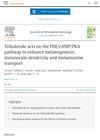
 Tribuloside can increase skin pigmentation by enhancing melanin production and distribution.
 May 2025 in “Russian Journal of Allergy”
 Combining antihistamines with topical treatment improves hair regrowth in alopecia areata.
 1 citations
,
January 2023 in “Cutis”
1 citations
,
January 2023 in “Cutis” The paper concludes that the new medication baricitinib needs further testing in a more diverse group of patients with alopecia areata.
 November 2023 in “PubMed”
 Pentoxifylline is a safe and effective alternative to triamcinolone acetonide for treating localized alopecia areata.
 January 2026 in “Forum Dermatologicum”
 JAK inhibitors and combination therapies show promise for treating severe alopecia areata.
 September 2025 in “Tạp chí Da liễu học Việt Nam”
 2.5 mg/mL TAC is as effective and safe as 5 mg/mL, but 5 mg/mL may improve hair regrowth and density more.
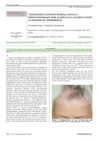 2 citations
,
July 2014 in “Our Dermatology Online”
2 citations
,
July 2014 in “Our Dermatology Online” Contact immunotherapy can cause vitiligo in patients with autoimmune conditions.
 November 2025 in “Mendeley Data”
 JAK inhibitors can be safely used in alopecia areata patients with latent hepatitis B or tuberculosis, with proper monitoring.
 December 2024 in “Cureus”
 Tirzepatide improved symptoms and hair regrowth in a man with folliculitis decalvans.
 October 2012 in “Semina. Ciências Agrárias”
 A Shi Tzu dog with high cortisol levels improved after increasing the dose of trilostane.
 June 2016 in “Annals of the rheumatic diseases”
 Methotrexate is effective for treating rheumatoid arthritis but requires regular monitoring.
September 2023 in “Journal of the American Academy of Dermatology” Methylprednisolone treatment helps most alopecia areata patients, but young age, extensive hair loss, and low vitamin D can affect results.
 July 2024 in “Medical alphabet”
 Betamethasone injections are more effective than Clobetasol for treating alopecia areata in children.