
Tofacitinib effectively regrows hair in alopecia universalis triggered by a virus.
April 2017 in “The journal of investigative dermatology/Journal of investigative dermatology” Researchers found three different ways drugs work to treat hair loss from alopecia areata and identified key factors for personalized treatment.
 March 2016 in “Reactions Weekly”
 A woman experienced hair loss, nail changes, bone marrow suppression, and low blood protein after taking azathioprine.
 7 citations
,
April 2023 in “Frontiers in immunology”
7 citations
,
April 2023 in “Frontiers in immunology” Oral baricitinib and ruxolitinib are effective and safe for treating alopecia areata.
May 2025 in “Journal of the European Academy of Dermatology and Venereology” Ritlecitinib is effective for long-term hair regrowth in alopecia areata, especially in females and early treatment.
 1 citations
,
October 2010 in “Faṣlnāmah-i bīmārīhā-yi pūst”
1 citations
,
October 2010 in “Faṣlnāmah-i bīmārīhā-yi pūst” Methotrexate with corticosteroids can help regrow hair in severe alopecia areata but may cause relapses and side effects.
44 citations
,
August 2014 in “Anais brasileiros de dermatologia/Anais Brasileiros de Dermatologia” Methotrexate is a promising and safe treatment for severe alopecia areata, with better results when combined with corticosteroids.
October 2023 in “The Open Dermatology Journal” Baricitinib is effective for severe alopecia areata with manageable side effects, mainly upper respiratory infections.
 40 citations
,
December 2016 in “Journal of Dermatological Treatment”
40 citations
,
December 2016 in “Journal of Dermatological Treatment” JAK inhibitors show promise for treating skin and hair disorders but need more research on long-term safety and effectiveness.
 September 2013 in “Neurodegenerative disease management”
 Teriflunomide is effective and generally safe for treating relapsing multiple sclerosis, reducing relapse rates and disability progression.
December 2025 in “International Journal of Dermatology” Combining low-dose oral minoxidil with immunomodulators shows promise for treating alopecia areata but needs more research.
 July 2013 in “Our Dermatology Online”
 Oral methylprednisolone pulse therapy helped an 11-year-old regrow 80% of his hair in six months.
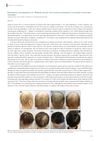 8 citations
,
May 2017 in “Singapore Medical Journal”
8 citations
,
May 2017 in “Singapore Medical Journal” A Korean woman with complete hair loss regrew her hair after taking tofacitinib, with no side effects.
 June 2026 in “Journal of General-Procedural Dermatology & Venereology Indonesia”
 Tofacitinib effectively improves lichen planus pigmentosus symptoms.
 January 2024 in “American journal of clinical dermatology”
 Ritlecitinib is safe and well-tolerated for treating alopecia areata in patients aged 12 and older.
 33 citations
,
September 2007 in “Veterinary dermatology”
33 citations
,
September 2007 in “Veterinary dermatology” Topical 0.1% tacrolimus significantly improved ear infections in cats.
 July 2013 in “Our Dermatology Online”
 Minoxidil 2% is more effective than tacrolimus 0.1% for hair regrowth in mild to moderate patchy hair loss, and combining both might give better results.
 October 2015 in “Reactions Weekly”
 A woman got a scalp condition from using latanoprost, but it improved after stopping the drug and starting other treatments.
 August 2024 in “Clinical Cosmetic and Investigational Dermatology”
 Upadacitinib and narrowband UVB effectively treated a child's vitiligo and alopecia areata.
1 citations
,
June 2019 in “Journal of Cutaneous Immunology and Allergy” Squaric acid dibutylester can cause severe skin reactions in people with allergies.
 10 citations
,
August 2020 in “Drug metabolism and drug interactions”
10 citations
,
August 2020 in “Drug metabolism and drug interactions” The NUDT15 gene variant causes severe side effects from azathioprine in some Indian patients.
 3 citations
,
January 2015 in “Nasza Dermatologia Online”
3 citations
,
January 2015 in “Nasza Dermatologia Online” Some treatments for autoimmune hair loss work, but JAK inhibitors like tofacitinib are promising for regrowth.
 February 2026 in “Frontiers in Immunology”
 Ivarmacitinib significantly improved hair regrowth in severe alopecia areata after tofacitinib was less effective.
Tjalma Syndrome is a rare condition in people with lupus, causing fluid buildup and high CA-125 levels, but not due to tumors.
 October 2025 in “Dermatology and Therapy”
 Ritlecitinib is being tested for effectiveness and safety in treating severe alopecia areata.
Baricitinib effectively regrows hair in severe alopecia areata cases.
5 citations
,
January 2016 in “European Journal of Dermatology” Suplatast tosilate successfully treated a woman's systemic sclerosis symptoms.
Some dermatologists in Saudi Arabia prescribe Tofacitinib for hair loss, but many don't due to its unavailability and safety concerns.
 4 citations
,
December 2024 in “Clinical Cosmetic and Investigational Dermatology”
4 citations
,
December 2024 in “Clinical Cosmetic and Investigational Dermatology” Combining baricitinib with UV-B therapy effectively treats non-segmental vitiligo and is well-tolerated.