1 citations
,
February 2025 in “Archives of Dermatological Research” Using Excimer light with topical steroids is the most effective treatment for alopecia areata.
17 citations
,
January 2015 in “Dermatology online journal” A patient's grey hair regained color during treatment with adalimumab.
 July 2023 in “Clinical and Experimental Dermatology”
 Combining baricitinib with low-dose corticosteroids significantly improved severe hair loss in eight patients.

Baricitinib helped treat a man's beard hair loss when steroids didn't work.
 16 citations
,
December 2008 in “International Journal of Dermatology”
16 citations
,
December 2008 in “International Journal of Dermatology” Long-term use of pyrithione zinc shampoos remains effective for scalp seborrheic dermatitis, with decreased effectiveness likely due to not following treatment instructions rather than the treatment itself.
Baricitinib helps regrow hair in teens with severe alopecia areata.
1 citations
,
November 2024 in “Journal of Dermatological Treatment” Significant hair regrowth doesn't always mean complete hair recovery in alopecia areata.
 March 2005 in “Journal of The American Academy of Dermatology”
 The two lotions used day and night may be a good alternative to minoxidil for hair loss treatment with better cosmetic effects and tolerance.
37 citations
,
December 2001 in “Journal of the American Academy of Dermatology” Thalidomide significantly improved hair regrowth in a woman with lichen planopilaris.
November 2025 in “Journal of Clinical Medicine” Baricitinib significantly improved hair regrowth and quality of life in severe alopecia areata patients.
14 citations
,
January 2025 in “Journal of Dermatological Treatment” Baricitinib is effective and safe for treating severe alopecia areata, promoting significant hair regrowth.
 December 2023 in “Journal of Cosmetic Dermatology”
 Baricitinib effectively and safely improves hair growth in patients with severe alopecia areata.
3 citations
,
July 2024 in “Archives of Dermatological Research” Oral ritlecitinib and baricitinib are promising treatments for severe alopecia areata due to their balance of effectiveness and safety.
 1 citations
,
August 2023 in “JAMA Dermatology”
1 citations
,
August 2023 in “JAMA Dermatology” Increasing the dose of baricitinib to 4 mg helps more patients with severe alopecia areata regrow hair.
Cetirizine-loaded gel may effectively promote hair growth in alopecia.
1 citations
,
October 2025 in “Ophthalmology Science” Lower doses of topotecan are safe for eyes, but higher doses may harm the retina.
 November 2023 in “Dermatologica sinica/Zhōnghuá pífūkē yīxué zázhì”
 Upadacitinib helped regrow hair in a severe alopecia areata patient but stopping treatment caused hair loss to return.
63 citations
,
July 2024 in “Journal of the American Academy of Dermatology” Deuruxolitinib effectively promotes hair regrowth in adults with alopecia areata.
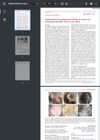 April 2024 in “JEADV clinical practice”
 Upadacitinib significantly improved both rheumatoid arthritis and alopecia areata in a patient.
December 2025 in “Drug Design Development and Therapy” Anlotinib combined with taxane/capecitabine is more effective than bevacizumab for treating HER-2 negative metastatic breast cancer.
 18 citations
,
May 1988 in “Journal of The American Academy of Dermatology”
18 citations
,
May 1988 in “Journal of The American Academy of Dermatology” Itraconazole helps improve tough skin infections but may not prevent them from coming back.
 September 2023 in “Journal of The American Academy of Dermatology”
 Baricitinib shows promise in treating severe hair loss.
December 2025 in “Pediatric Dermatology” Trametinib can cause skin issues, but they can often be managed without stopping the drug.
September 2025 in “Journal of the American Academy of Dermatology” Some JAK inhibitors are effective for significant hair regrowth in alopecia areata.
 73 citations
,
March 2014 in “Journal of The American Academy of Dermatology”
73 citations
,
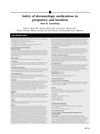
March 2014 in “Journal of The American Academy of Dermatology” Most dermatologic medications are safe during pregnancy and breastfeeding, but some should be avoided due to potential risks.
 January 2025 in “Frontiers in Pediatrics”
 Baricitinib significantly improved hair regrowth and skin condition in a 14-year-old with alopecia areata and atopic dermatitis.
6 citations
,
May 2013 in “Journal of Clinical Oncology” Combining Ficlatuzumab and Gefitinib can cause severe hair loss.
6 citations
,
October 2024 in “Journal of Family Medicine and Primary Care” Primary care doctors need to monitor JAK and TYK-2 inhibitors carefully for skin conditions.
 April 2017 in “Journal of Investigative Dermatology”
 SIG-1451 could be a promising new treatment for atopic dermatitis.