69 citations
,
October 2013 in “Journal of Clinical Psychopharmacology” Naltrexone did not significantly reduce hair pulling but improved cognitive flexibility.
2 citations
,
August 2002 in “British Journal of Ophthalmology” Tangent screens help detect visual field defects from vigabatrin.
 February 2026 in “Reports — Medical Cases Images and Videos”
 Upadacitinib may help regrow hair in children with alopecia areata and is generally safe.
1 citations
,
June 2022 in “International Journal of Infectious Diseases” A fungal infection was successfully treated with oral and topical antifungals after being misdiagnosed and worsened by corticosteroids.
Bempikibart may help regrow hair in people with alopecia areata.
September 2025 in “Journal of the American Academy of Dermatology” Deuruxolitinib significantly improves hair satisfaction in severe alopecia areata patients.
 1 citations
,
May 2023 in “Journal of the American Academy of Dermatology”
1 citations
,
May 2023 in “Journal of the American Academy of Dermatology” Younger patients and those with more hair loss are less likely to benefit from oral steroid treatment for hair loss, and low vitamin D may predict relapse.
 May 2025 in “Journal of Inflammation Research”
 A combination of ixekizumab and tofacitinib successfully treated severe scalp cellulitis, leading to hair regrowth.
November 2015 in “Chemical & engineering news” Certain topical drugs can regrow hair in mice.
49 citations
,
February 2022 in “Drug Design Development and Therapy” Ritlecitinib shows promise for hair regrowth in alopecia areata patients.
 17 citations
,
May 2011 in “Movement Disorders”
17 citations
,
May 2011 in “Movement Disorders” Finasteride significantly reduced tics and obsessive-compulsive symptoms in patients with Tourette syndrome.
 July 2025 in “Dermatology and Therapy”
 Patients with fewer past treatments for alopecia areata respond better to baricitinib.
 14 citations
,
April 2017 in “American Journal of Transplantation”
14 citations
,
April 2017 in “American Journal of Transplantation” Skin problems from transplant drugs are common and need careful management in organ transplant patients.
 February 2026 in “Frontiers in Medicine”
 Personalized sonidegib dosing can effectively treat Gorlin-Goltz syndrome with fewer side effects.
52 citations
,
December 2014 in “Journal of Dermatological Science” Apremilast may help treat hair loss in alopecia areata.
5 citations
,
May 2020 in “Journal of the American Academy of Dermatology” AGA might indicate higher risk for severe COVID-19.
 November 2025 in “SKIN The Journal of Cutaneous Medicine”
 Upadacitinib effectively treats severe alopecia areata and is safe.
 April 2016 in “Journal of The American Academy of Dermatology”
 Ixekizumab is effective and safe for patients who did not improve with etanercept treatment for psoriasis.
 February 2013 in “Journal of The American Academy of Dermatology”
 Most children with skin inflammation taking methotrexate had lab abnormalities, but liver issues often improved without changing the medication dose.
 August 2023 in “The journal of investigative dermatology/Journal of investigative dermatology”
 Ixekizumab may be an effective first treatment for a rare skin condition causing hair loss.
 April 2023 in “Journal of Pakistan Medical Association”
 Baricitinib is effective in promoting hair growth in severe alopecia areata.
25 citations
,
March 2021 in “Australasian Journal of Dermatology” Ustekinumab successfully treated a man's resistant skin condition when other treatments failed.
Introducing the OTC gene improved symptoms in mice with OTC deficiency.
 157 citations
,
December 2015 in “Journal of the American Academy of Dermatology”
157 citations
,
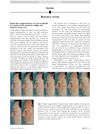
December 2015 in “Journal of the American Academy of Dermatology” A man with vitiligo and alopecia saw quick skin and hair improvement with ruxolitinib, but skin color gains were lost after stopping treatment.
5 citations
,
January 2016 in “Indian dermatology online journal” A 25-year-old man with multiple skin tumors was successfully treated with acitretin and methotrexate.
 May 2025 in “Journal of the Egyptian Womenʼs Dermatologic Society”
 Vitamin D3 is a safe and effective alternative to steroids for treating alopecia areata, with fewer side effects.
 April 2019 in “The journal of investigative dermatology/Journal of investigative dermatology”
 High potency topical steroids are the most effective treatment for pediatric alopecia areata.
 June 2026 in “Journal of health economics and outcomes research”
 Ritlecitinib is more effective and cost-efficient than baricitinib for severe alopecia areata.
25 citations
,
January 1978 in “JAMA” Topical corticosteroids can cause serious side effects like Cushing's syndrome and hirsutism.