 June 2024 in “Deleted Journal”
 The combined extracts of Moringa and Pandan leaves significantly promote hair growth.
 14 citations
,
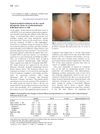
July 2012 in “Journal of the American Academy of Dermatology”
14 citations
,
July 2012 in “Journal of the American Academy of Dermatology” Topical tacalcitol ointment can help improve symptoms of EFFC.
 December 2023 in “Portuguese journal of dermatology and venereology”
 Trichoscopy can reliably distinguish between alopecia areata and trichotillomania.
 14 citations
,
November 2016 in “Annals of Internal Medicine”
14 citations
,
November 2016 in “Annals of Internal Medicine” Tofacitinib, an arthritis drug, helped hair growth in alopecia universalis but long-term safety needs more research.
 13 citations
,
January 2011 in “International Journal of Trichology”
13 citations
,
January 2011 in “International Journal of Trichology” CTA is often mistaken for AA but doesn't respond to steroids and may require hair transplantation.
January 2021 in “Indonesian Journal on Medical Science” The hair tonic with aloe vera and celery was successfully made, with the first formula being the most stable.
August 2024 in “Indian Journal of Dermatology Venereology and Leprology” 3 citations
,
October 1994 in “Journal of Dermatological Science” The new antibody, TYHF-1, specifically targets certain hair-related structures.
 July 2023 in “Journal of Microbiology and Biotechnology”
 Terminalia bellirica extract may help promote hair growth and prevent hair loss caused by testosterone.
July 2009 in “Planta Medica” Traditional healers in Pabna, Bangladesh, use various plants to treat different health issues.
20 citations
,
June 2019 in “JAAD Case Reports” Tofacitinib can cause skin eruptions similar to palmoplantar pustulosis.

Phytotherapy offers a safer alternative for managing hair loss with fewer side effects.
April 2012 in “Journal of evolution of medical and dental sciences” No effective treatment exists to stimulate hair growth in atrichia with papular lesions.
January 2015 in “Nasza Dermatologia Online” Monilethrix causes fragile, patchy hair loss.
 January 2017 in “International journal of science and research”
 Trichotillomania is a chronic hair-pulling disorder, more common in females, treated with therapy and sometimes medication.
43 citations
,
September 2021 in “Nutrients” Persimmons offer health benefits and can be used in new products and sustainable applications.
August 2024 in “Scientia Horticulturae” AMF initially inhibits but later promotes citrus root hair growth by regulating auxin levels.
26 citations
,
September 1999 in “Canadian Journal of Botany” The RHD4 gene is crucial for consistent root hair growth in Arabidopsis thaliana.
1 citations
,
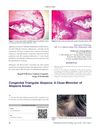
March 2023 in “Journal of the Turkish Academy of Dermatology” Temporal triangular alopecia may be linked to sebaceous nevus and shows a new pinkish background feature.
 November 2020 in “Dubai medical journal”
 Tofacitinib may effectively regrow hair in alopecia totalis patients.
 September 2023 in “Journal of pharmacognosy and phytochemistry”
 Plumbago zeylanica has valuable medicinal properties but needs sustainable cultivation methods.
Amla is a powerful natural remedy with many health benefits, including anti-aging, hair care, and disease prevention.
2 citations
,
January 2007 in “edoc (University of Basel)” Piper cubeba and Aquilaria sinensis may help prevent or treat prostate issues by balancing hormones.
 17 citations
,
January 2019 in “Dermatologic Therapy”
17 citations
,
January 2019 in “Dermatologic Therapy” Tofacitinib is effective and safe for long-term treatment of severe alopecia areata, with many patients achieving complete hair regrowth.
January 2023 in “Applied sciences” Equisetum debile extracts may help with skin whitening, anti-wrinkle, and anti-hair loss treatments.
 May 2023 in “International Journal of Trichology”
 Tofacitinib effectively treated severe hair loss in a patient who didn't respond to other treatments.
 48 citations
,
November 2017 in “Journal of the American Academy of Dermatology”
48 citations
,
November 2017 in “Journal of the American Academy of Dermatology” Tofacitinib 2% ointment helped hair regrow in 3 out of 10 patients with alopecia areata, but caused side effects like scalp irritation and raised cholesterol in some.
 2 citations
,
January 2018 in “International Journal of ChemTech Research”
2 citations
,
January 2018 in “International Journal of ChemTech Research” The two Eclipta alba varieties can be distinguished by their chemical differences.
 9 citations
,
December 2011 in “Potravinarstvo Slovak Journal of Food Sciences”
9 citations
,
December 2011 in “Potravinarstvo Slovak Journal of Food Sciences” Different jujube genotypes have varying sizes, colors, and tastes, with potential for growth in Slovakia.
Fenugreek seeds and Butea monosperma flowers may help reduce hair loss from chemotherapy.