Search
for
Sort by
Research
630-660 / 1000+ resultsresearch Arthritis drug spurs hair regrowth in alopecia patient
An arthritis drug helped a person with severe hair loss regrow their hair.
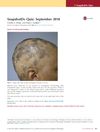
research SnapshotDx Quiz: September 2018
Tofacitinib may help regrow hair in alopecia areata patients.
research [Long-term treatment of virilized women with cyproterone acetate (author's transl)].
Cyproterone acetate effectively treats virilized women, especially under 35, despite some side effects.
research B-219 Apoptotic effect and cell cycle arrest by Juniperus communis extract on oral cancer
Juniperus communis extract enhances the effectiveness of oral cancer treatment when combined with chemotherapy.
research The Administration of Ocoxin Increases the Quality of Life of Patients with Advanced Epithelial or Metastatic Ovarian Cancer Undergoing Neoadjuvant Chemotherapy
Ocoxin improves quality of life for advanced ovarian cancer patients on chemotherapy.
research Effects of caffeine and siloxanetriol alginate caffeine, as anticellulite agents, on fatty tissue: histological evaluation
Caffeine and siloxanetriol alginate caffeine in emulsion form can reduce fatty cell size and number, potentially treating cellulite effectively.
research FORMULATION AND EVALUATION OF FINASTERIDE SUSTAINED-RELEASE MATRIX TABLETS USING DIFFERENT RATE CONTROLLING POLYMERS
Finasteride, a drug used for anti-hyperplasia, can be effectively delivered in the form of matrix tablets.
research PC-SPES Studies Promising, But Manufacturer Shuts Down
Promising cancer treatments were found, but the manufacturer closed.
research High-dose alpha-tocopherol as a preventive of doxorubicin-induced alopecia.
Alpha-tocopherol does not prevent hair loss from doxorubicin.

research FDA-Approved (Bremelanotide, Flibanserin) and Off-Label Medications (Testosterone, Sildenafil) to Enhance Sexual Desire/Function in Women
Some medications can help increase sexual desire and function in women.
research Efficacy and safety of docetaxel in the elderly
Docetaxel is safe and works well for older people with cancer, with manageable side effects.
research Synthesis, antiproliferative, acute toxicity and assessment of antiandrogenic activities of some newly synthesized steroidal lactams
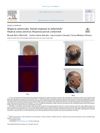
research Alopecia universalis. Partial response to tofacitinib
Tofacitinib partially improved hair regrowth in a patient with severe hair loss.
research Roxithromycin antagonizes catagen induction in murine and human hair follicles: implication of topical roxithromycin as hair restoration reagent
Roxithromycin, an antibiotic, can increase hair growth and might be used as a treatment for hair loss.
research Tofacitinib for the treatment of severe alopecia areata and variants: A study of 90 patients
Tofacitinib is effective and safe for severe hair loss, but full regrowth is less likely after 10 years of hair loss.
research Comparison of a gonadotropin-releasing hormone agonist and a low dose oral contraceptive given alone or together in the treatment of hirsutism.
Combining a GnRH agonist with a low-dose oral contraceptive is more effective and safer for treating hirsutism than using either alone.
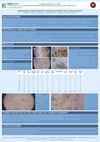
research ORAL TARGETED THERAPY-INDUCED CUTANEOUS TOXICITY: LIFE EXPERIENCE OF PATIENTS WITH ADVANCED LUNG CANCER IN TAIWAN
More research is needed to understand chemotherapy-induced hair loss and its phases.
research Ethinylestradiol/Chlormadinone Acetate for Use in Dermatological Disorders
Ethinylestradiol/chlormadinone acetate may be an effective and well-tolerated treatment for skin conditions caused by excess androgens.
research FEMALE BREAST CANCER PROTECTION USING PHYTOESTROGEN LIGNANS FROM FLAXSEED
Flaxseed lignans may reduce breast cancer risk in women.
research Effect of finasteride 5 mg (Proscar) on acne and alopecia in female patients with normal serum levels of free testosterone
Finasteride improves acne and hair loss in women with normal testosterone.
research Alopecia areata mit gutem Ansprechen auf Tofacitinib
Tofacitinib helped regrow hair in a woman with alopecia areata.
research PMON281 PERSISTENT VIRILIZATION AND VASOMOTOR SYMPTOMS IN A TRANSMAN 5-YEARS POST TESTOSTERONE WITHDRAWAL
A transman experienced lasting virilization symptoms after stopping testosterone, which were resolved with estradiol treatment.
research 331 An open label clinical trial of the JAK inhibitor tofacitinib for alopecia areata
Tofacitinib helped over half of the patients with severe hair loss regrow at least 50% of their hair.
research Suppression of spermatogenesis with desogestrel and testosterone pellets is not enhanced by addition of finasteride.
research Male Breast Cancer and 5α-Reductase Inhibitors Finasteride and Dutasteride
Using finasteride or dutasteride does not increase the risk of male breast cancer.
research The Comparative Safety of Epirubicin and Cyclophosphamide versus Docetaxel and Cyclophosphamide in Lymph Node-Negative, HR-Positive, HER2-Negative Breast Cancer (ELEGANT): A Randomized Trial
Epirubicin and cyclophosphamide cause more anemia and side effects than docetaxel and cyclophosphamide, but both are equally effective.
research Real‐world effectiveness and safety of tofacitinib for alopecia areata: A retrospective cohort study of 202 patients
Tofacitinib is safe and effective for treating moderate-to-severe alopecia areata.
research Hormone receptor positive, HER2 negative metastatic breast cancer: Impact of CDK4/6 inhibitors on the current treatment paradigm
CDK4/6 inhibitors have improved treatment outcomes for certain advanced breast cancer patients.
research FCE 28260, a new 5α-reductase inhibitor: In vitro and in vivo effects
FCE 28260 is a stronger and longer-lasting inhibitor of 5α-reductase than finasteride, which may make it a better treatment for certain medical conditions.