Search
for
Sort by
Research
540-570 / 1000+ resultsresearch Sustainable Valorization of Tannery Hair Waste into Keratin by an Acoustic Cavitation Process with Ionic Liquid
research Pubertal Development
Puberty involves complex hormonal changes, varies by gender and ethnicity, and requires careful monitoring for abnormalities.
research Secondary Sexual Characteristics and Menses in Young Girls
African-American girls tend to start puberty earlier than white girls, possibly due to increased androgen production.
research Safety of skin care products during pregnancy.
Most skin care products are safe during pregnancy, but avoid hydroquinone and tretinoin.
research Laser-assisted hair removal: Side effects of Q-switched Nd:YAG, long-pulsed ruby, and alexandrite lasers
Laser hair removal is safe with the right settings, but side effects like pain and skin changes are more common in darker or tanned skin.

research Hest, hjort, ku eller geit! Hvilke typer lær ble brukt til sko i Borgund på Sunnmøre i sen vikingtid og tidlig middelalder?
Shoes in Borgund were mainly made from cow leather, with some horse, goat, and possibly sheep leather.
research Histomorphological, Histochemical and Histoenzymic Studies on the Dermis of Skin of Goat (Capra hircus)
Goat skin has collagen, elastic, and reticular fibers, with hair follicles increasing in depth as goats age.

research Increase in subcutaneous adipose tissue in the frontal scalp may be associated with androgenetic alopecia and metabolic syndrome.
Thicker scalp fat may link hair loss with metabolic syndrome.
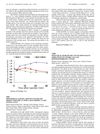
research 1408 INDUCTION OF SECRETED WNT FACTOR WISP1/CCN4 BY HUMAN PROSTATE STROMAL CELLS BY MICROENVIORNMENTAL HYPOXIA
Human prostate cells produce more WISP1/CCN4 when there's not enough oxygen.
research Serum holotranscobalamine, vitamin B12, folic acid and homocysteine levels in alopecia areata patients
Alopecia areata is not linked to vitamin B12 deficiency.
research Sugaring: An Ancient Method of Hair Removal
Sugaring is an old, affordable, and practical hair removal method.

research Efficacy and safety of a new 5% minoxidil formulation in male androgenetic alopecia: A randomized, placebo‐controlled, double‐blind, noninferiority study
New 5% minoxidil formula safely and effectively treats male hair loss.
research Manganese Content in Hair of Patients with Parkinson’s Disease: Manganese Deficiency and Susceptibility Towards Parkinson’s Disease

research 331 Characterisation of interfollicular stem cells and early TA cells during the transition from infant to child skin
The study concludes that as skin matures from infancy to childhood, there are major changes in cell differentiation, stemness, and growth, leading to a stronger skin barrier in older children.
research Critical Stages of Hair Development and Pigmentation in the Mouse
Hair growth and pigmentation in mice involve specific stages crucial for research.
research 43687 Fitzpatrick Skin Phototypes: More than Just Skin Deep
Patients often overestimate their skin type, affecting sun protection and treatment plans.
research Creating a Natural “Sun-Kissed” Effect on 5-6 Base Layers
For a natural "sun-kissed" look on dark-to-medium blonde hair, use a 2–3 level color difference, apply in three zones, and finish with acidic glossing.

research Reflectance spectroscopy for noninvasive evaluation of hair follicle stage
Reflectance spectroscopy can noninvasively track hair growth stages by measuring skin reflectance and melanin changes.
research IMMEDIATE HYPERSENSITIVITY TO PERMANENT HAIR COLOR: 7
Tazarotene gel is more effective for acne than tretinoin and works as well as adapalene.
research Methods in hair research: how to objectively distinguish between anagen and catagen in human hair follicle organ culture
A reliable system was developed to distinguish hair growth stages, aiding in identifying hair growth promoters or inhibitors.
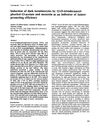
research Induction of dark keratinocytes by 12-O-tetradecanoyl-phorbol-13-acetate and mezerein as an indicator of tumor-promoting efficiency
TPA is about 50 times more effective at promoting tumors than MZ.
research Skin iconography analysis of traumatic anserine folliculosis: Skin image feature of TAF
TAF can be identified by excessive skin thickening and clogged hair follicles, helping distinguish it from similar skin conditions.

research Expression patterns of MITF during human cutaneous embryogenesis: evidence for bulge epithelial expression and persistence of dermal melanoblasts
Melanocyte precursors in human fetal skin follow a specific migration pattern and some remain in the skin's deeper layers.
research 458 UVB-induced facultative pigmentation is associated with distinct DNA methylation changes
Tanning ability is linked to specific DNA changes in skin genes.
research The Appearance of Four Basement Membrane Zone Antigens in Developing Human Fetal Skin

research 576 A preliminary study of melanogenic markers in the differentiation of the human hair follicle melanin unit
The study found markers indicating that cells responsible for hair color are differentiating in specific areas of the hair follicle.
research Hair Casts
Tretinoin lotion can remove hair casts, which come from a specific part of the hair follicle and can be classified into two types.

research Transforming growth factor-alpha immunoreactivity during induced hair follicle growth cycles in sheep and ferrets.
TGF-alpha is present in sheep and ferret skin and may affect hair growth without directly stimulating cell proliferation.
research Becker's Melanosis and Hypertrichosis*
Becker's Melanosis and Hypertrichosis mainly affects young males, causing brown skin patches and extra hair on one side of the upper body.