CDPDFM can improve acne symptoms in rabbit ears.
A hair tonic with 7.5% daun talok and 2% daun pare promotes hair growth as effectively as minoxidil.
 45 citations
,
February 2018 in “Journal of basic and clinical physiology and pharmacology/Journal of basic & clinical physiology & pharmacology”
45 citations
,
February 2018 in “Journal of basic and clinical physiology and pharmacology/Journal of basic & clinical physiology & pharmacology” *Acorus calamus* has many medicinal benefits but needs more safety research.
1 citations
,
July 2024 in “Journal of Investigative Dermatology” TAK-279 effectively reduces psoriasis symptoms and is safe.
 May 2023 in “Pharma xplore : jurnal sains dan ilmu farmasi”
 Hair tonic with equal parts Moringa and rambutan leaf extracts grew rabbit hair longer and heavier than the control product.
 4 citations
,
September 2018 in “Rendiconti lincei. Scienze fisiche e naturali”
4 citations
,
September 2018 in “Rendiconti lincei. Scienze fisiche e naturali” Researchers concluded that "spigo nardo" is the Himalayan plant Nardostachys jatamansi, used historically in medicine and cosmetics, now critically endangered.
 April 2012 in “Informa Healthcare eBooks”
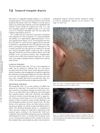
 Temporal triangular alopecia is a lifelong condition with hairless patches on the side of the head that may be present from birth.
 88 citations
,
August 2019 in “Nature communications”
88 citations
,
August 2019 in “Nature communications” Researchers found a specific immune receptor in patients that causes severe skin reactions to a drug.
 June 2024 in “Indian Dermatology Online Journal”
 Topical tofacitinib is effective and safe for treating alopecia areata.
 4 citations
,
March 2006 in “Journal of dermatology”
4 citations
,
March 2006 in “Journal of dermatology” A Chinese-Japanese boy had a rare fungal infection on his scalp and skin, likely caught in China.
1 citations
,
August 2019 A 25% ethanol extract hair tonic from Nothopanax scutellarium leaves significantly boosts hair growth in male rabbits.
October 2025 in “Diagnostics” Temporal triangular alopecia is a harmless, non-progressive hair loss condition.
Medicinal plants are important for local health in La Tranca Arriba.
 56 citations
,
March 2010 in “Journal of Dermatology”
56 citations
,
March 2010 in “Journal of Dermatology” Most cases of Temporal Triangular Alopecia are found in early childhood and may be related to genetic conditions.
5 citations
,
September 2019 in “Medical Sains Jurnal Ilmiah Kefarmasian” The gel with green tea and gotukola may help hair growth.
2 citations
,
June 2017 in “ScienceRise” A mask-cream with herbal extracts was successfully developed for treating hair loss.
June 2023 in “CRC Press eBooks” Acorus calamus has potential health benefits but needs more safety research.
 44 citations
,
October 2017 in “Journal of the American Academy of Dermatology”
44 citations
,
October 2017 in “Journal of the American Academy of Dermatology” Tofacitinib is effective and safe for treating severe hair loss in Korean patients.

Coreopsis tinctoria Nutt. extract can effectively dye hair yellow or dark brown with good wash durability.
December 2025 in “JURNAL PIJAR MIPA” Water pumpkin extract at 15% concentration effectively promotes hair growth.
September 2023 in “Zenodo (CERN European Organization for Nuclear Research)” Calotropis gigantea is a versatile plant used in traditional medicine for treating various diseases.
5 citations
,
January 2018 in “Thai Journal of Pharmaceutical Sciences (TJPS)” Riceberry by-products may promote hair growth and skin pigmentation, useful for cosmetics.
 January 2016 in “The Australian Pharmacist”
 Tofacitinib might be used to treat hair loss.
 January 2026 in “RSC Advances”
 Panax notoginseng may help with oral ulcers and hair growth.
April 2017 in “bioRxiv (Cold Spring Harbor Laboratory)” The dfRootChip revealed how Arabidopsis roots adapt and grow in uneven conditions.
13 citations
,
September 2007 in “Journal of dermatological science”  January 2021 in “Journal of cosmetology & trichology”
 L-(+)-Tartaric Acid may help increase certain hair growth genes without harming cells.
 January 2018 in “Journal of the American Academy of Dermatology”
 More extensive trials are needed to understand tofacitinib's role in treating severe hair loss.
 April 2023 in “Journal of the American Academy of Dermatology”
 Switching between the medications tofacitinib and baricitinib can be effective for treating hair loss in alopecia areata.
March 2026 in “Food Science & Nutrition” Arachis hypogaea L. root extract reduces prostate enlargement and inflammation in mice.