7 citations
,
September 1988 in “Baillière's clinical obstetrics and gynaecology” Cyproterone acetate is effective for treating hirsutism and acne in women by blocking androgens in the skin and also works as a contraceptive.
3 citations
,
June 2020 in “Journal of Dermatological Treatment” Triamcinolone acetonide is slightly more effective than betamethasone for hair regrowth in localized alopecia areata.
 20 citations
,
January 2013 in “Evidence-based complementary and alternative medicine”
20 citations
,
January 2013 in “Evidence-based complementary and alternative medicine” TGPC plus CGT is effective and safe for treating severe alopecia areata in children.
13 citations
,
August 1995 in “British Journal of Dermatology” Topical immunotherapy is more effective than dapsone for treating severe alopecia areata.
 25 citations
,
April 2019 in “Journal of The American Academy of Dermatology”
25 citations
,
April 2019 in “Journal of The American Academy of Dermatology” Using 2% tofacitinib cream with narrowband ultraviolet B improved facial vitiligo by 70% in patients who didn't respond to previous treatments, with no side effects reported.
 24 citations
,
January 2018 in “International Journal of Trichology”
24 citations
,
January 2018 in “International Journal of Trichology” Tofacitinib helped regrow hair in patients with alopecia, with few side effects.
 18 citations
,
August 2011 in “Clinical Drug Investigation”
18 citations
,
August 2011 in “Clinical Drug Investigation” Low-dose isotretinoin combined with pulsed azithromycin cleared acne in most patients, with mild side effects.
 May 2025 in “Journal of Pharmacy And Bioallied Sciences”
 Tofacitinib effectively promotes hair regrowth in children with alopecia areata, but more research on long-term safety is needed.
 1 citations
,
April 2017 in “Journal of Investigative Dermatology”
1 citations
,
April 2017 in “Journal of Investigative Dermatology” Tofacitinib may slow hair loss in scarring alopecias but is unlikely to regrow significant hair.
24 citations
,
August 2009 in “Expert opinion on pharmacotherapy” The combination of calcipotriene and betamethasone is more effective and has fewer side effects for treating psoriasis.
 May 2012 in “CRC Press eBooks”
 Some patients on anti-TNF drugs experience a type of hair loss called TAIAPA.
 1 citations
,
May 2025 in “The Journal of Rheumatology”
1 citations
,
May 2025 in “The Journal of Rheumatology” Upadacitinib may help treat difficult cases of systemic lupus erythematosus.
2 citations
,
June 2020 in “Clinical Journal of Gastroenterology” Tofacitinib effectively treated both ulcerative colitis and alopecia areata in two patients.
2 citations
,
April 2024 in “Journal of International Medical Research” Secukinumab and acitretin together may quickly and effectively treat severe generalized pustular psoriasis.
 November 2023 in “The journal of investigative dermatology/Journal of investigative dermatology”
 Adipose stem cell exosomes can effectively reduce facial redness and improve skin health in atopic dermatitis patients.
April 2025 in “Anais Brasileiros de Dermatologia” Abrocitinib effectively treats severe alopecia areata with significant improvement and no side effects.
 17 citations
,
June 2018 in “Frontiers in Physiology”
17 citations
,
June 2018 in “Frontiers in Physiology” ADM scaffolds help skin heal by promoting a healing-type immune response.
7 citations
,
March 2023 in “JEADV. Journal of the European Academy of Dermatology and Venereology/Journal of the European Academy of Dermatology and Venereology”  October 2025 in “Indian Dermatology Online Journal”
 2.5 mg/ml of triamcinolone acetonide is more effective for treating alopecia areata.
 10 citations
,
October 2015 in “Journal of Dermatology”
10 citations
,
October 2015 in “Journal of Dermatology” Adenosine treatment thickens hair in Caucasian men with hair loss.
27 citations
,
October 2020 in “Drugs” Clascoterone cream was approved in the USA for treating acne in people aged 12 and older.
 41 citations
,
December 2015 in “JAMA Dermatology”
41 citations
,
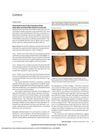
December 2015 in “JAMA Dermatology” Tofacitinib citrate improved nail dystrophy and pain in patients with alopecia universalis without causing side effects.
 14 citations
,
April 2019 in “Saudi pharmaceutical journal”
14 citations
,
April 2019 in “Saudi pharmaceutical journal” Microparticles help caffeic acid stay longer in hair follicles for better treatment of folliculitis.
 December 2023 in “Acta dermato-venereologica”
 Tofacitinib is effective for treating alopecia areata, and starting treatment early may improve results.
 August 2024 in “Clinical Cosmetic and Investigational Dermatology”
 Upadacitinib and narrowband UVB effectively treated a child's vitiligo and alopecia areata.
 June 2025 in “Indus journal of bioscience research.”
 Combining microneedling with triamcinolone acetonide is more effective for treating alopecia areata than microneedling alone.
9 citations
,
January 2009 in “Journal of the European Academy of Dermatology and Venereology” The cream effectively reduces excessive hair growth and related skin issues without side effects.
 1 citations
,
April 2019 in “Journal of Investigative Dermatology”
1 citations
,
April 2019 in “Journal of Investigative Dermatology” Dupilumab is effective and safe for treating moderate-to-severe atopic dermatitis in adolescents.