4 citations
,
October 2013 in “PLoS ONE” Vemurafenib causes significant skin side effects, requiring regular dermatologist care and sun protection.
 2 citations
,
April 2024 in “Dermatology Practical & Conceptual”
2 citations
,
April 2024 in “Dermatology Practical & Conceptual” Tofacitinib and baricitinib are effective and safe for treating severe alopecia areata, especially in younger people.
Vismodegib effectively treats advanced basal cell carcinoma but requires careful management of serious side effects.
 December 2023 in “Acta dermato-venereologica”
 Tofacitinib is effective for treating alopecia areata, and starting treatment early may improve results.
3 citations
,
April 2020 in “PubMed” Combining DEB-BACE with chemotherapy is more effective and has fewer side effects than chemotherapy alone for treating unresectable lung squamous cell carcinoma.
 3 citations
,
August 2020 in “Case Reports in Dermatology”
3 citations
,
August 2020 in “Case Reports in Dermatology” Tofacitinib treatment significantly improved a patient's psoriasis, psoriatic arthritis, and alopecia universalis.
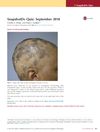 August 2018 in “Journal of Investigative Dermatology”
 Tofacitinib may help regrow hair in alopecia areata patients.
1 citations
,
July 2024 in “Journal of Investigative Dermatology” VYN201 shows promise as a safe and effective treatment for non-segmental vitiligo.
 25 citations
,
November 2022 in “British journal of dermatology/British journal of dermatology, Supplement”
25 citations
,
November 2022 in “British journal of dermatology/British journal of dermatology, Supplement” Baricitinib for severe alopecia areata is generally safe, with common side effects like infections and acne, and low rates of serious complications.
 March 2022 in “International Journal of Trichology”
 Tofacitinib may be effective for treating hair loss caused by alopecia areata that doesn't respond to other treatments.
July 2024 in “Reactions Weekly” 6 citations
,
June 2021 in “EClinicalMedicine” ALRV5XR significantly improves hair density in women with hair loss and is well-tolerated.
January 2007 in “Frontiers in Medicine” Tofacitinib works well for treating alopecia areata, especially when combined with corticosteroids, but is less effective if the disease has lasted over 2 years.
 9 citations
,
May 2021 in “International Journal of Dermatology”
9 citations
,
May 2021 in “International Journal of Dermatology” The trial showed that a new under-the-tongue treatment for severe hair loss was somewhat effective in a small group of people.
 September 2022 in “Journal of The American Academy of Dermatology”
 Baricitinib was effective in regrowing eyebrow and eyelash hair in patients with severe alopecia areata.
1 citations
,
July 2025 in “Clinical and Experimental Dermatology” Deucravacitinib led to full hair regrowth in a severe alopecia areata patient.
 54 citations
,
September 2019 in “Journal of the European Academy of Dermatology and Venereology”
54 citations
,
September 2019 in “Journal of the European Academy of Dermatology and Venereology” Tofacitinib is somewhat effective for alopecia areata, but more research is needed on its safety and long-term effects.
 49 citations
,
March 2017 in “Journal of the American Academy of Dermatology”
49 citations
,
March 2017 in “Journal of the American Academy of Dermatology” Tofacitinib caused significant hair regrowth in adolescents with alopecia universalis who didn't respond to other treatments.
Baricitinib helps keep hair, eyebrows, and eyelashes regrown for 3 years in most people with severe hair loss.
 6 citations
,
May 2023 in “Drugs”
6 citations
,
May 2023 in “Drugs” Baricitinib helps regrow hair in adults with severe alopecia better than a placebo and is approved for treatment, but long-term effects are still unknown.
 January 2025 in “International Journal of Dermatology”
 Tofacitinib improved hair and nail conditions in a teen with alopecia areata.
1 citations
,
November 2023 in “SKIN The Journal of Cutaneous Medicine”  1 citations
,
September 2022 in “Journal of The American Academy of Dermatology”
1 citations
,
September 2022 in “Journal of The American Academy of Dermatology” Baricitinib helps grow eyebrows and eyelashes in severe alopecia areata patients.
 January 2025 in “International Journal of Dermatology Venereology and Leprosy Sciences”
 Tofacitinib improved hair regrowth and quality of life in children with alopecia areata, with mild side effects.
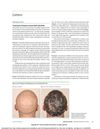 78 citations
,
March 2017 in “JAMA Dermatology”
78 citations
,
March 2017 in “JAMA Dermatology” Tofacitinib helped regrow hair in people with severe alopecia, but side effects occurred and benefits stopped after treatment ended.
 September 2023 in “PubMed”
 Baricitinib is a relatively safe and effective treatment for severe alopecia areata.
 June 2024 in “Dermatology and Therapy”
 Baricitinib improves quality of life and reduces anxiety and depression in severe alopecia areata patients with hair regrowth.
9 citations
,
May 2014 in “Clinical Cosmetic and Investigational Dermatology” Using tazarotene with GliSODin improves facial skin more than tazarotene alone.
 July 2025 in “Journal of Cosmetic Dermatology”
 Alternative treatments are needed when Tofacitinib alone fails for alopecia areata.

Baricitinib helped treat a man's beard hair loss when steroids didn't work.