 3 citations
,
October 2003 in “Annals of Oncology”
3 citations
,
October 2003 in “Annals of Oncology” A woman with low thyroid function did not lose her hair during chemotherapy, possibly because her hair follicles were less affected by the treatment.
 1 citations
,
May 2006 in “Expert Opinion on Therapeutic Patents”
1 citations
,
May 2006 in “Expert Opinion on Therapeutic Patents” No FDA-approved treatments for chemotherapy-induced hair loss existed in 2006; more research was needed.
 May 2026 in “Pacific Rim International Journal of Nursing Research”
 Symptom interference negatively affects quality of life in women with ovarian cancer.
 September 2025 in “BULLETIN OF STOMATOLOGY AND MAXILLOFACIAL SURGERY”
 Better supportive care is needed to manage chemotherapy side effects.
 February 2024 in “Journal of Modern Oncology”
 Scalp cooling effectively prevents hair loss during chemotherapy in most cases.
 December 2023 in “Frontiers in oncology”
 Older ovarian cancer patients live longer and tolerate weekly chemotherapy better than three-weekly treatments.
 November 2023 in “Anticancer Research”
 Using ultrasound may make cisplatin more effective against cervical cancer in mice.
 July 2008 in “Biomedical Imaging and Intervention Journal”
 New cancer treatments are more precise and less toxic, improving survival rates, but Asia faces challenges in adopting these advancements.
 103 citations
,
December 2011 in “Journal of the American Academy of Dermatology”
103 citations
,
December 2011 in “Journal of the American Academy of Dermatology” Chemotherapy often causes temporary hair loss, which is distressing and needs better treatment and support.
 62 citations
,
February 2011 in “Expert review of dermatology”
62 citations
,
February 2011 in “Expert review of dermatology” Scalp cooling can reduce chemotherapy-induced hair loss and should be available in all hospitals.
 44 citations
,
November 2010 in “Current Opinion in Supportive and Palliative Care”
44 citations
,
November 2010 in “Current Opinion in Supportive and Palliative Care” Many patients find hair loss from chemotherapy very distressing, and while treatments like minoxidil and scalp cooling may help, there is no sure way to prevent it.
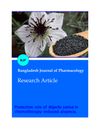 2 citations
,
December 2017 in “Bangladesh Journal of Pharmacology”
2 citations
,
December 2017 in “Bangladesh Journal of Pharmacology” Black seed oil significantly protects against hair loss from chemotherapy.
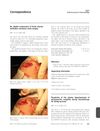 2 citations
,
August 2013 in “British Journal of Dermatology”
2 citations
,
August 2013 in “British Journal of Dermatology” Chemotherapy improved a girl's painful foot condition linked to pachyonychia congenita.
 January 2024 in “International Research Journal of Modernization in Engineering Technology and Science”
 Fasting may reduce chemotherapy side effects.
 April 2016 in “Journal of The American Academy of Dermatology”
 Using a niacinamide cream can improve life quality for breast cancer patients during chemotherapy.
 May 2015 in “Journal of The American Academy of Dermatology”
 Povidone-iodine nail solution effectively treats nail infections caused by chemotherapy.
 68 citations
,
May 2012 in “Annals of Oncology”
68 citations
,
May 2012 in “Annals of Oncology” Some breast cancer chemotherapy can cause permanent hair loss.
 50 citations
,
May 2019 in “Drugs”
50 citations
,
May 2019 in “Drugs” Cannabinoids may help treat chronic and chemotherapy-induced neuropathic pain, but more research is needed to confirm their effectiveness and safety.
 104 citations
,
January 2014 in “Journal of Clinical and Experimental Dentistry”
104 citations
,
January 2014 in “Journal of Clinical and Experimental Dentistry” Assessing oral health before chemotherapy is crucial to reduce harmful side effects.
 June 2017 in “Journal of evolution of medical and dental sciences”
 About 22% of cancer patients had skin-related side effects from chemotherapy, but these were usually not severe enough to halt treatment.
 14 citations
,
October 2003 in “Annals of Oncology”
14 citations
,
October 2003 in “Annals of Oncology” About half the patients treated with capecitabine and docetaxel developed severe hand-foot syndrome.
 522 citations
,
January 2001 in “Cancer investigation”
522 citations
,
January 2001 in “Cancer investigation” Doxil is an effective, modified chemotherapy drug with a unique toxicity profile and shows promise in treating certain cancers.
April 2026 in “The Breast” Both scalp cooling and chemical cooling caps effectively prevent hair loss in breast cancer patients undergoing chemotherapy.
11 citations
,
October 2020 in “PLoS ONE” Cooling can protect hair follicles from chemotherapy damage by reducing drug uptake.
1 citations
,
July 2021 in “Frontiers in Oncology” Neoadjuvant endocrine therapy led to a better future outlook than chemotherapy, with no major quality of life differences.
1 citations
,
January 2022 in “Journal of Cancer Therapy” Ocoxin improves quality of life for advanced ovarian cancer patients on chemotherapy.
4 citations
,
July 2025 in “Frontiers in Pharmacology” Cooling with antioxidants helps protect hair during chemotherapy.
 1 citations
,
January 2018 in “Springer eBooks”
1 citations
,
January 2018 in “Springer eBooks” The document concludes that scalp cooling and treatments like minoxidil can help manage hair loss from cancer therapy.
 May 2022 in “Annals of Oncology”
 Photobiomodulation therapy may speed up hair regrowth after chemotherapy in the short term.
27 citations
,
March 2008 in “Cell stress & chaperones” Localized heat or specific injections can prevent chemotherapy-induced hair loss without affecting cancer treatment.