 431 citations
,
October 2008 in “Current Medicinal Chemistry”
431 citations
,
October 2008 in “Current Medicinal Chemistry” Coumarin derivatives show promise as anti-estrogenic agents for treating breast cancer, with some in clinical trials.
 25 citations
,
May 2018 in “Clinical & Translational Oncology”
25 citations
,
May 2018 in “Clinical & Translational Oncology” New melanoma treatments can cause skin side effects, including skin cancer and rashes, but combining treatments may reduce these risks.
 May 2012 in “CRC Press eBooks”
 Some patients on anti-TNF drugs experience a type of hair loss called TAIAPA.
102 citations
,
October 2010 in “Molecular Pharmaceutics” Copper-doxorubicin nanoparticles effectively treat tumors with less toxicity.
29 citations
,
January 2012 in “Chemical immunology/Fortschritte der Allergielehre/Progress in allergy/Chemical immunology and allergy” New cancer drugs often cause skin and nail problems.
 310 citations
,
November 2011 in “Environment International”
310 citations
,
November 2011 in “Environment International” Anticancer drugs are increasingly found in surface waters, and their long-term environmental effects are not well understood, requiring better testing methods.
1 citations
,
May 2022 in “The FASEB journal” The document concludes that biotin, folate, and RGD peptides are promising for targeting cancer cells with prodrugs, but the conjugates are not yet tested for use.
 114 citations
,
March 2002 in “Current opinion in oncology/Current opinion in oncology, with cancerlit”
114 citations
,
March 2002 in “Current opinion in oncology/Current opinion in oncology, with cancerlit” Cancer therapy can cause various skin problems, including hair loss, skin darkening, painful hand-foot syndrome, and severe skin damage.
44 citations
,
November 2022 in “Frontiers in Immunology” TLR-targeted therapies show promise in cancer treatment by helping destroy tumors.

DOPE:DOPC liposomes can improve targeted cancer drug delivery, reducing side effects and increasing effectiveness.
April 2026 in “Future Medicinal Chemistry” PROTACs have become a breakthrough in medicine by effectively targeting and degrading specific proteins to treat diseases.
 3 citations
,
July 2019 in “Supportive Care in Cancer”
3 citations
,
July 2019 in “Supportive Care in Cancer” The lotion CG428 did not show effectiveness in treating permanent hair loss in breast cancer survivors.
 3 citations
,
January 2017 in “Revista chilena de nutrición”
3 citations
,
January 2017 in “Revista chilena de nutrición” Certain natural compounds called terpenes may help prevent prostate cancer.
 8 citations
,
September 2015 in “Journal of the European Academy of Dermatology and Venereology”
8 citations
,
September 2015 in “Journal of the European Academy of Dermatology and Venereology” Hair and scalp pain is more common and severe in breast cancer patients on chemotherapy than those on tamoxifen.
 1 citations
,
December 2014
1 citations
,
December 2014 Some drugs have gained approval for new uses, while others like tricyclic antidepressants and aspirin show promise but aren't yet approved for these uses.
Ultrasound and nanocarriers could make breast cancer treatment safer and more effective.
September 2006 in “Experimental Dermatology” Targeting multiple pathways and understanding genetic mutations are crucial for effective melanoma therapy.
April 2025 in “Biological and Clinical Sciences Research Journal” Nab-paclitaxel is as effective as cisplatin but safer for early-stage cervical cancer treatment.
New steroid derivatives show promise as anticancer agents, even against resistant cells.
November 2025 in “Portuguese National Funding Agency for Science, Research and Technology (RCAAP Project by FCT)” Hair loss from cervical cancer treatment needs better prevention and management.
 3 citations
,
July 2010 in “Archives of internal medicine”
3 citations
,
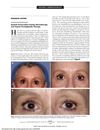
July 2010 in “Archives of internal medicine” A woman kept her eyelashes during chemotherapy possibly because of her glaucoma eye drops.
July 2025 in “Ultrasound in Medicine & Biology” UTMD with diclofenac and Doxil® improves cancer treatment by boosting immune response and reducing tumor-supporting cells.
19 citations
,
April 2014 in “Expert opinion on emerging drugs” New treatments for a type of skin cancer show promise but have side effects and may work better with other therapies.
 January 2021 in “Mastology”
 Scalp cooling therapy helped over 80% of women keep at least half their hair during chemotherapy.
January 2024 in “Scripta Medica” Nanoparticle delivery can reduce side effects of the cancer drug doxorubicin.
 January 2026 in “Nanoscale Advances”
 The nanocomposite effectively targets lung cancer cells without harming normal cells.
 April 2016 in “Journal of The American Academy of Dermatology”
 Some blood pressure medications are linked to a higher risk of skin cancer.
 3 citations
,
April 2019 in “Clinical Therapeutics”
3 citations
,
April 2019 in “Clinical Therapeutics” Computational tools identified 29 drugs that could potentially target 19 genes involved in chemotherapy-induced hair loss, which could lead to more effective treatments.
 1 citations
,
October 2024 in “Journal of King Saud University - Science”
1 citations
,
October 2024 in “Journal of King Saud University - Science” Tridax procumbens extracts may help treat cancer due to their strong anticancer and antioxidant properties.
 April 2026 in “Biomedical Materials”
 Gold nanoparticle-phytochemical combinations work better against melanoma in 3D models than separate components.