6 citations
,
April 2022 in “The Breast” Scalp cooling reduces hair loss during chemotherapy but doesn't help hair regrow after.
November 2025 in “npj Breast Cancer” Tamoxifen increases the risk of lasting hair loss after chemotherapy despite scalp cooling.
April 2026 in “Actas Dermo-Sifiliográficas” Scalp cooling and minoxidil can help manage hair loss after chemotherapy.
 141 citations
,
September 2016 in “European Journal of Dermatology”
141 citations
,
September 2016 in “European Journal of Dermatology” Taxane chemotherapy can cause skin, hair, and nail side effects, which are often under-reported and can affect patient quality of life.
 9 citations
,
February 2012 in “Cancer Chemotherapy and Pharmacology”
9 citations
,
February 2012 in “Cancer Chemotherapy and Pharmacology” The combination of gemcitabine and vinorelbine is effective and safe for treating elderly patients with advanced breast cancer previously treated with anthracyclines and taxanes.
 2 citations
,
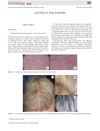
May 2018 in “Australasian Journal of Dermatology”
2 citations
,
May 2018 in “Australasian Journal of Dermatology” Some patients' hair grew back black and white after chemotherapy.
 April 2026 in “International Journal of Clinical Oncology”
 Combining immune checkpoint inhibitors with other cancer therapies increases skin side effects in Asian patients.
 July 2025 in “Current Treatment Options in Oncology”
 Scalp cooling helps prevent hair loss during chemotherapy, and minoxidil aids regrowth.
 January 2026 in “Forum Dermatologicum”
 Hair loss can be caused by cancer, treatments, or skin conditions, and trichoscopy helps diagnose it.
 59 citations
,
August 2018 in “The oncologist”
59 citations
,
August 2018 in “The oncologist” Some breast cancer patients still experience hair loss three years after chemotherapy, especially with taxane-based treatments.
 55 citations
,
November 2004 in “Expert opinion on drug safety”
55 citations
,
November 2004 in “Expert opinion on drug safety” Chemotherapy often causes hair loss, nail changes, and mouth issues, but these are usually manageable.
 August 2008 in “Current Opinion in Internal Medicine”
 In 2007, prostate cancer research improved understanding of risk, diagnosis, and treatment, but also showed heart risks with certain therapies and the need for personalized care.
12 citations
,
May 2010 in “Journal of Clinical Oncology” MK-5108 is safe and shows potential against tumors, especially alone.
2 citations
,
June 2024 in “JAAD reviews.” Some drugs can cause permanent hair loss, though it's rare.

Chemotherapy for breast cancer often causes significant and lasting hair loss.
 September 2024 in “Current Oncology”
 Docetaxel often causes hair loss, with limited effective treatments and no cure for permanent hair loss.
 September 2025 in “PubMed”
 Prevent persistent hair loss after chemotherapy with scalp cooling and early minoxidil use.
 11 citations
,
November 2021 in “JDDG Journal der Deutschen Dermatologischen Gesellschaft”
11 citations
,
November 2021 in “JDDG Journal der Deutschen Dermatologischen Gesellschaft” Cutaneous angiosarcomas require a combined treatment approach, but prognosis is generally poor.
 5 citations
,
January 2013 in “Journal der Deutschen Dermatologischen Gesellschaft”
5 citations
,
January 2013 in “Journal der Deutschen Dermatologischen Gesellschaft” The document concludes that individualized treatment for malignant epithelial tumors is necessary and more research on metastatic squamous cell carcinoma treatments is needed.
 6 citations
,
May 2008 in “Current Opinion in Oncology”
6 citations
,
May 2008 in “Current Opinion in Oncology” 2007 research improved understanding of prostate cancer risk, diagnosis, and treatment, but also showed the need for personalized treatment and further study on certain therapies' risks.
5 citations
,
January 2025 in “Cancers” Improving treatment plans can reduce hair loss and improve life quality for ovarian cancer patients.
October 2025 in “Pharmaceuticals” Auranofin shows promise as a cancer treatment, especially when combined with other therapies.
5 citations
,
September 2024 in “Journal of Clinical Medicine” Scalp cooling effectively reduces hair loss in breast cancer patients undergoing chemotherapy.
233 citations
,
March 2009 in “Journal of Clinical Oncology” Chemotherapy reduces taste and smell, but they mostly recover after treatment; adding spices may help improve appetite.
9 citations
,
November 2023 in “Supportive Care in Cancer” Minoxidil improves hair loss in breast cancer patients on CDK4/6-inhibitor therapy.
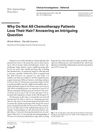 1 citations
,
January 2021 in “Skin appendage disorders”
1 citations
,
January 2021 in “Skin appendage disorders” Chemotherapy patients don't all lose their hair due to factors like hair growth rates, age, genetics, and the type of drugs used.
 218 citations
,
January 2013 in “The Lancet Oncology”
218 citations
,
January 2013 in “The Lancet Oncology” Chemotherapy causes hair loss by damaging hair follicles and stem cells, with more research needed for prevention and treatment.
 4 citations
,
January 2018 in “Cancer treatment and research”
4 citations
,
January 2018 in “Cancer treatment and research” The document concludes that systemic therapy is becoming more important in treating head and neck cancer, with new treatments showing promise.
 1 citations
,
January 2018 in “Springer eBooks”
1 citations
,
January 2018 in “Springer eBooks” The document concludes that scalp cooling and treatments like minoxidil can help manage hair loss from cancer therapy.
 12 citations
,
March 2016 in “Life Sciences”
12 citations
,
March 2016 in “Life Sciences” The new chemotherapy combination of WP 631 and Epothilone B shows enhanced effectiveness against ovarian cancer but requires more research on its safety.