November 2024 in “Actas Dermo-Sifiliográficas” N-acetylcysteine and memantine are recommended as safe and effective treatments for trichotillomania.

Early combination therapy can effectively regrow hair in frontal fibrosing alopecia.
January 2015 in “Annual Research & Review in Biology” Natural antioxidants and phytotherapeutic molecules may help prevent cancer.
 1 citations
,
September 2024 in “Frontiers in Pharmacology”
1 citations
,
September 2024 in “Frontiers in Pharmacology” Aumolertinib effectively controls lung cancer and improves quality of life.
 April 2023 in “Journal of Investigative Dermatology”
 CGRP MAbs treatment for migraines may also improve rosacea symptoms, but more research is needed to confirm its effectiveness and safety.
 1 citations
,
November 2018 in “Dermatologic Therapy”
1 citations
,
November 2018 in “Dermatologic Therapy” Compounded topical preparations should be used with caution for severe psoriasis and generally come after systemic treatments.
1 citations
,
August 1983 in “PubMed” CVP therapy showed moderate success in treating advanced non-Hodgkin's lymphoma, but more intensive treatment is needed for better outcomes.
 August 2021 in “Skin appendage disorders”
 Two people lost hair unexpectedly after getting a common hair loss treatment with a drug called Dutasteride.
 March 2025 in “Journal of Drugs in Dermatology”
 A new method helps manage skin side effects from hormonal cancer therapy, improving patient care.
December 2025 in “Biomolecules” Compound 7p shows strong potential as an anticancer agent.
2 citations
,
December 2012 in “The Professional Medical Journal” Biobran MGN-3 reduces chemotherapy side effects and improves quality of life for breast cancer patients.
 July 2021 in “Open access journal of biomedical science”
 A lotion with natural extracts significantly sped up hair growth in women with hair loss from chemotherapy.
 9 citations
,
April 2016 in “Australasian journal of dermatology”
9 citations
,
April 2016 in “Australasian journal of dermatology” Combining imiquimod with diphenylcyclopropenone may improve treatment outcomes for alopecia areata patients who don't respond to diphenylcyclopropenone alone.
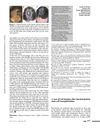 May 2018 in “European Journal of Dermatology”
 Adjusting the medication tacrolimus resolved a boy's red nail beds after a stem cell transplant.
24 citations
,
March 2009 in “Archives of dermatological research” The combination of oral PUVA and corticosteroids helps regrow hair in severe alopecia areata.
13 citations
,
August 1995 in “British Journal of Dermatology” Topical immunotherapy is more effective than dapsone for treating severe alopecia areata.
24 citations
,
December 2011 in “International Journal of Cancer” PTH-CBD agonists may help regrow hair after chemotherapy.
Tofacitinib significantly improved symptoms in a patient with overlapping autoimmune disorders.
21 citations
,
January 2021 in “Frontiers in Pharmacology” Thiopurines help treat IBD but require genetic testing to avoid side effects.
 March 2026 in “Frontiers in Immunology”
 Pulsed electric field treatment may help the immune system fight liver tumors.
 12 citations
,
December 1987 in “Cancer Chemotherapy and Pharmacology”
12 citations
,
December 1987 in “Cancer Chemotherapy and Pharmacology” Vitamin E in the diet might help protect against hair loss caused by the chemotherapy drug doxorubicin in rabbits.
1 citations
,
December 2017 in “Dermatology - Open Journal” Alopecia areata was successfully treated with contact immunotherapy, oral antihistamines, and topical corticosteroids.
1 citations
,
January 2024 in “Revista CUIDARTE” Patients prefer non-drug methods like massage and music to manage chemotherapy side effects, but standardization is needed.
December 2025 in “Biomedicines” Tyrosine kinase inhibitors for endocrine tumors often cause skin issues, requiring early management and treatment adjustments.
 April 2018 in “Journal of Investigative Dermatology”
 BLZ-100 is safe for use in skin cancer surgery and may help identify cancerous tissue.
 14 citations
,
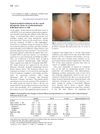
July 2012 in “Journal of the American Academy of Dermatology”
14 citations
,
July 2012 in “Journal of the American Academy of Dermatology” Topical tacalcitol ointment can help improve symptoms of EFFC.
10 citations
,
September 2016 in “Journal of cutaneous medicine and surgery” Patients on dabrafenib and trametinib for melanoma often experience skin side effects.
May 2022 in “Голова и шея.” Checkpoint inhibitor therapy can cause skin issues, from mild rashes to severe reactions.
 5 citations
,
January 2009
5 citations
,
January 2009 Betamethasone is more effective than Tacrolimus and soft paraffin for hair regrowth in patchy alopecia areata.
 February 2026 in “American Journal of Clinical Dermatology”
 Radiotherapy can cause skin fibrosis, which is often overlooked and needs better treatment and evaluation.