13 citations
,
August 2021 in “Journal of Cosmetic Dermatology” Tea extracts can protect hair from UV damage.
 January 2018 in “Springer eBooks”
 Cancer treatments targeting specific cells often cause skin, hair, and nail problems, affecting patients' lives and requiring careful management.
 8 citations
,
November 2013 in “PLOS ONE”
8 citations
,
November 2013 in “PLOS ONE” Cells with active Wnt signaling are less likely to turn into cancer when exposed to a cancer-causing gene.
 4 citations
,
September 2024 in “BMC Cancer”
4 citations
,
September 2024 in “BMC Cancer” Adding dutasteride to therapy may improve treatment for advanced salivary duct cancer.
1 citations
,
December 2014 in “Zenodo (CERN European Organization for Nuclear Research)” The method effectively induces skin cancer in mice for studying tumor development.
 1 citations
,
January 2023 in “Bioscience Journal”
1 citations
,
January 2023 in “Bioscience Journal” Sorafenib and Platycladus orientalis leaf extract together effectively suppress cervical cancer cell growth.
September 2019 in “The journal of investigative dermatology/Journal of investigative dermatology” PPARγ signaling modulation can protect hair follicle stem cells from chemotherapy-induced damage.
 April 2017 in “Journal of Investigative Dermatology”
 SM04755 may be an effective topical treatment for psoriasis.
 60 citations
,
January 2014 in “Anais Brasileiros De Dermatologia”
60 citations
,
January 2014 in “Anais Brasileiros De Dermatologia” Nanotechnology in dermatology shows promise for better drug delivery and treatment effectiveness but requires more safety research.
4 citations
,
July 2024 in “Radiotherapy and Oncology” A standardized scoring system is needed to improve model reliability for predicting hair loss in brain tumor patients treated with proton therapy.
9 citations
,
October 2025 in “MedComm” PROTACs offer new ways to treat hard-to-target diseases, with promising drugs for cancer in advanced trials.
27 citations
,
April 2021 in “Phytotherapy Research” Curcumin may be an effective and safer anticancer agent by regulating key cell pathways.
14 citations
,
January 2020 in “Evidence-based Complementary and Alternative Medicine” A peptide from fermented Trapa japonica fruit may help reduce skin aging.
 July 2021 in “Research Square (Research Square)”
 Semecarpus anacardium leaf extract fights breast cancer and extends survival in mice.
 May 1993 in “Drugs & Therapy Perspectives”
 Formestane is a preferred second-line treatment for advanced breast cancer in postmenopausal women because it's effective and has fewer side effects.
June 1992 in “The Journal of dermatologic surgery and oncology”  26 citations
,
October 2018 in “Clinical & Translational Oncology”
26 citations
,
October 2018 in “Clinical & Translational Oncology” Spanish experts provided guidelines for treating skin side effects in cancer patients on new therapies, stressing early action and teamwork.
October 2018 in “Annals of Reviews & Research” The new gel provides faster and longer-lasting pain relief than the cream.
September 2023 in “Journal of the American Academy of Dermatology” CTP-543 is generally safe for treating alopecia areata.
 59 citations
,
January 2015 in “Nanoscale”
59 citations
,
January 2015 in “Nanoscale” The new micelle formulation delivers acne treatment more effectively and safely than current gels.
 3 citations
,
April 2019 in “Clinical Therapeutics”
3 citations
,
April 2019 in “Clinical Therapeutics” Computational tools identified 29 drugs that could potentially target 19 genes involved in chemotherapy-induced hair loss, which could lead to more effective treatments.
30 citations
,
September 2014 in “Journal of Investigative Dermatology” Blocking Sonic Hedgehog signaling may help manage hair loss from chemotherapy.
 May 2025 in “Journal of Nanobiotechnology”
 The gel improves hair regrowth and reduces irritation in alopecia areata treatment.
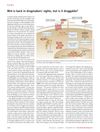 10 citations
,
November 2018 in “Nature Biotechnology”
10 citations
,
November 2018 in “Nature Biotechnology” Drugmakers are optimistic about targeting the Wnt pathway for new treatments despite past challenges.
3 citations
,
December 1989 in “PubMed” 11 citations
,
February 2002 in “European Journal of Clinical Investigation” The new platinum complexes effectively increased survival in rats with tumors, despite some reversible side effects.
A new 3D breast tumor model helps test drug effects more accurately than traditional methods.
 11 citations
,
January 2018 in “Acta dermato-venereologica”
11 citations
,
January 2018 in “Acta dermato-venereologica” Tofacitinib works better and is more tolerable for severe alopecia than conventional treatments and DPCP immunotherapy.
5 citations
,
January 2013 in “Spatula DD - Peer Reviewed Journal on Complementary Medicine and Drug Discovery” Trigonella foenum-graecum seeds and Butea monosperma flowers help promote hair growth and reduce hair loss after chemotherapy.
July 2025 in “Materials Today Bio” TFC-loaded microneedles effectively promote hair regrowth in androgenetic alopecia.