40 citations
,
September 2014 in “Journal of cosmetic and laser therapy” Transepidermal drug delivery effectively treated areata alopecia with minimal side effects.
Ritlecitinib improves hair regrowth in alopecia areata without increasing adverse risks.
25 citations
,
March 2018 in “Journal of oncology practice” Scalp cooling is an effective and safe way to prevent hair loss from chemotherapy, with manageable side effects and low risk of scalp cancer.
 7 citations
,
May 2016 in “SpringerPlus”
7 citations
,
May 2016 in “SpringerPlus” Some breast cancer patients on hormone therapy experience hair loss, and treatments like certain topical inhibitors and supplements may help without harming their cancer prognosis.
5 citations
,
July 2024 in “Journal of Market Access & Health Policy” Insurance coverage for scalp cooling will make it more accessible to all chemotherapy patients.
 2 citations
,
January 2020 in “Einstein (São Paulo)”
2 citations
,
January 2020 in “Einstein (São Paulo)” Topical tofacitinib shows promise as a future treatment for alopecia areata.
July 2026 in “Journal of Cosmetic Dermatology” Carboxytherapy improves the effectiveness of standard treatments for hair loss.
 September 2023 in “Journal of The American Academy of Dermatology”
 Patients with skin cancer on the scalp and ear in Mexico have specific features and results from their treatments.
37 citations
,
January 1986 in “Carcinogenesis” ODC expression in mouse skin and tumors is varied and can be inhibited by retinoic acid or cycloheximide.
 10 citations
,
July 2007 in “PubMed”
10 citations
,
July 2007 in “PubMed” Chemotherapy causes hair loss in cancer patients by affecting both growing and resting hair.
1 citations
,
February 2025 in “Pediatric Dermatology” Tofacitinib helps hair regrow in some kids with severe alopecia areata, but more research is needed on long-term effects.
 16 citations
,
July 2017 in “Rheumatology and Therapy”
16 citations
,
July 2017 in “Rheumatology and Therapy” Tofacitinib, a medication for arthritis, showed potential for treating severe hair loss in a small Brazilian case series, but more research is needed.
November 2025 in “Bioactive Materials” TQC shows promise for better hair regrowth in treating hair loss.
 November 2021 in “Austin therapeutics”
 Current treatments for hair loss from chemotherapy are limited, but new methods are being researched.
 July 2021 in “International journal of dermatology, venereology and leprosy sciences”
 Diphenylcyclopropenone is more effective and has fewer side effects than dinitrochlorobenzene for treating alopecia areata.
March 2022 in “Authorea (Authorea)” Chemotherapy for leukemia led to full hair regrowth in a child with alopecia totalis.
November 2024 in “Journal of Investigative Dermatology” Aptamers can improve wound healing and promote hair growth.
 August 2013 in “Nature Reviews Drug Discovery”
 New treatments may restore cancer-blocking proteins, slow prostate cancer, identify drug targets, and potentially regrow hair.
July 2025 in “Journal of Investigative Dermatology” Enhancing Tregs can protect against alopecia areata.
12 citations
,
January 1987 in “Carcinogenesis” TCDD changes skin cell growth and keratin production in mice.
 January 2026 in “Nanoscale Advances”
 The nanocomposite effectively targets lung cancer cells without harming normal cells.
Onabotulinumtoxin-A effectively treated a painful scalp condition when other treatments failed.
March 2026 in “Drug Testing and Analysis” PTeCA is a reliable marker for detecting oxidative hair treatments.
42 citations
,
June 2019 in “Aging” 3,4,5-tri-O-caffeoylquinic acid promotes hair growth by activating the β-catenin pathway.
1 citations
,
April 2020 in “Journal of the Endocrine Society” Immunotherapy with pembrolizumab significantly reduced cancer in a young woman with adrenocortical carcinoma.
 3 citations
,
May 2016 in “International Journal of Research in Ayurveda and Pharmacy”
3 citations
,
May 2016 in “International Journal of Research in Ayurveda and Pharmacy” Ayurveda, using herbs like ginger, garlic, and turmeric, can reduce chemo-radiotherapy side effects in cancer patients.
 April 2016 in “Journal of the American Academy of Dermatology”
 Tofacitinib helped a person with total body hair loss grow hair again without bad side effects.
 29 citations
,
July 2009 in “BJU international”
29 citations
,
July 2009 in “BJU international” Blocking DHT production more strongly may help control advanced prostate cancer and improve quality of life.
 3 citations
,
July 2010 in “Archives of internal medicine”
3 citations
,
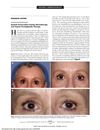
July 2010 in “Archives of internal medicine” A woman kept her eyelashes during chemotherapy possibly because of her glaucoma eye drops.
July 2025 in “SKIN The Journal of Cutaneous Medicine” Ritlecitinib effectively improves hair regrowth and physician satisfaction in severe alopecia areata over time.