The treatment was not recommended due to limited effectiveness and significant side effects.
 45 citations
,
January 2008 in “Drugs”
45 citations
,
January 2008 in “Drugs” Dutasteride effectively treats enlarged prostate, reduces prostate cancer risk, and promotes hair regrowth with few side effects.
 6 citations
,
November 2017 in “Journal of the European Academy of Dermatology and Venereology”
6 citations
,
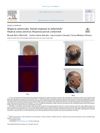
November 2017 in “Journal of the European Academy of Dermatology and Venereology” A woman got melanoma on her scalp after anti-hair loss treatment with injections.
January 2017 in “Digital Commons - University of South Florida (University of South Florida)” Hair loss from chemotherapy causes significant distress and affects social roles for ovarian and uterine cancer patients.
 February 2013 in “Journal of The American Academy of Dermatology”
 Hair loss is a common side effect of hormone treatments for cancer.
 7 citations
,
September 2006 in “Clinical lymphoma & myeloma”
7 citations
,
September 2006 in “Clinical lymphoma & myeloma” Balancing treatment effectiveness with side effects is crucial for relapsed follicular non-Hodgkin's lymphoma, especially in older patients.
1 citations
,
September 2023 in “Journal of the American Academy of Dermatology” Continued ritlecitinib treatment can lead to hair regrowth in some patients with alopecia areata who initially don't respond.
 12 citations
,
January 2011 in “Photodermatology, photoimmunology & photomedicine”
12 citations
,
January 2011 in “Photodermatology, photoimmunology & photomedicine” This therapy effectively treats resistant alopecia areata with minimal side effects.
 February 2013 in “Journal of The American Academy of Dermatology”
 Hair loss is a common but often unreported side effect of cancer treatments, especially for breast and prostate cancers.
 June 2024 in “Australasian Journal of Dermatology”
 Tofacitinib is safe and effective for treating moderate-to-severe alopecia areata.
 21 citations
,
March 2015 in “Journal of The American Academy of Dermatology”
21 citations
,
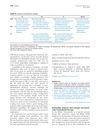
March 2015 in “Journal of The American Academy of Dermatology” Vemurafenib therapy can cause hair loss, but clobetasol propionate foam can help regrow hair.
 9 citations
,
October 2021 in “International Journal of Dermatology”
9 citations
,
October 2021 in “International Journal of Dermatology” Tofacitinib is effective and safe for treating severe hair loss in a Saudi population.
December 2025 in “Journal of Dermatological Treatment” GT20029 helps regrow hair in men with hair loss and is well-tolerated.
 17 citations
,
January 2019 in “Journal of cancer”
17 citations
,
January 2019 in “Journal of cancer” The formula YH0618 can reduce the harmful side effects of the chemotherapy drug Doxorubicin and protect healthy cells.
 2 citations
,
June 2005 in “Clinical Oncology”
2 citations
,
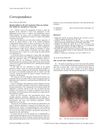
June 2005 in “Clinical Oncology” A man's bald spot grew hair after starting cancer treatment with gefitinib.
January 2007 in “Frontiers in Medicine” Tofacitinib works well for treating alopecia areata, especially when combined with corticosteroids, but is less effective if the disease has lasted over 2 years.
48 citations
,
September 2010 in “PubMed” Chemotherapy often causes hair loss, which is distressing for many, but usually reversible.
1 citations
,
January 1994 in “Drug Development and Industrial Pharmacy” Topical radioprotectors can reduce radiation-induced hair loss.
June 2025 in “Clinical Cancer Research” Scalp cooling can effectively prevent hair loss during chemotherapy in pregnancy.
508 citations
,
June 2009 in “Current drug metabolism” Tyrosine kinase inhibitors effectively treat cancers but often cause skin and other side effects.
 June 2022 in “Frontiers in Immunology”
 Tofacitinib regrew hair in a man with total hair loss but raised cytokine levels, needing more research on possible side effects.
7 citations
,
October 2024 in “Journal of the American Academy of Dermatology” Continued ritlecitinib treatment helps sustain hair regrowth in alopecia areata patients.
 4 citations
,
July 2021 in “Cancer Research and Treatment”
4 citations
,
July 2021 in “Cancer Research and Treatment” Temozolomide improves survival in grade III glioma patients without harming quality of life.
May 2022 in “Голова и шея.” Checkpoint inhibitor therapy can cause skin issues, from mild rashes to severe reactions.
2 citations
,
June 2024 in “Dermatology” Ritlecitinib improves hair regrowth satisfaction in alopecia areata patients.
Oral tofacitinib effectively treats alopecia areata long-term with manageable side effects.
 August 2016 in “Journal of Investigative Dermatology”
  1 citations
,
July 2019 in “Medicina Clínica (English Edition)”
1 citations
,
July 2019 in “Medicina Clínica (English Edition)” Tofacitinib partially improved hair regrowth in a patient with severe hair loss.
September 2006 in “Experimental Dermatology” Targeting multiple pathways and understanding genetic mutations are crucial for effective melanoma therapy.
6 citations
,
November 2020 in “Annals of Plastic Surgery” Adipose-derived stem cells and platelet-rich plasma together can protect skin and hair from radiotherapy damage.