37 citations
,
August 2015 in “The Journal of Steroid Biochemistry and Molecular Biology” The vitamin D receptor can regulate genes and affect hair and hormone levels without its usual activator.
 December 2024 in “Clinical and Experimental Dermatology”
 Switching to ritlecitinib improves hair regrowth and well-being in severe alopecia areata patients.

A new syndrome, Teelwani Syndrome, combines features of two rare genetic disorders.
 31 citations
,
January 2007 in “Journal of biological chemistry/The Journal of biological chemistry”
31 citations
,
January 2007 in “Journal of biological chemistry/The Journal of biological chemistry” Stress activates a special function of the Vitamin D receptor with the help of c-Jun, which can also prevent cell death.
September 2025 in “Journal of the American Academy of Dermatology” Ritlecitinib may help treat alopecia areata by protecting hair follicles.
138 citations
,
November 1977 in “Biochimica et Biophysica Acta (BBA) - Proteins and Proteomics” 7 citations
,
October 2023 in “BMC Genomics” Noncoding RNAs help determine cashmere quality in goats.
 25 citations
,
August 2010 in “Journal of Biological Chemistry”
25 citations
,
August 2010 in “Journal of Biological Chemistry” Nuclear Factor I-C is important for controlling hair growth by affecting the TGF-β1 pathway.
 January 2025 in “Dermatology Reports”
 Early and accurate diagnosis is crucial for managing rare genetic disorders like this localized variant of junctional epidermolysis bullosa.
RCS-01 cell therapy is safe and improves skin gene expression.
November 2020 in “Journal of animal science/Journal of animal science ... and ASAS reference compendium” Certain genetic variants in PRLR and PCCA genes may lead to shorter hair in cattle, which could help with heat tolerance.
26 citations
,
June 2005 in “British Journal of Dermatology” Calretinin identifies the companion cell layer in human hair follicles.
 13 citations
,
August 2020 in “Frontiers in Cell and Developmental Biology”
13 citations
,
August 2020 in “Frontiers in Cell and Developmental Biology” Twist1 helps maintain important features of cells crucial for hair growth by working with Tcf4 and β-catenin.
September 2019 in “The journal of investigative dermatology/Journal of investigative dermatology” New RIPK4 gene mutations were found to cause a type of skin and limb birth defect.
48 citations
,
March 2007 in “The journal of investigative dermatology/Journal of investigative dermatology” Retinoic acid production and signaling in hair follicles are regulated by location and timing, affecting hair growth and cycling.
April 2026 in “Human Genome Variation” Long-read RNA sequencing can identify complex gene changes in IFAP syndrome.
1 citations
,
March 2023 in “Journal of the Turkish Academy of Dermatology” Temporal triangular alopecia may be linked to sebaceous nevus and shows a new pinkish background feature.
3 citations
,
August 1988 in “PubMed”  72 citations
,
January 2003 in “American Journal of Pathology”
72 citations
,
January 2003 in “American Journal of Pathology” A protein called CBP is found in prostate cancer and can increase the effectiveness of certain prostate cancer treatments.
 2 citations
,
May 2022 in “Research Square (Research Square)”
2 citations
,
May 2022 in “Research Square (Research Square)” KGF-1 135 is a stable and effective alternative for treating oral mucositis.
42 citations
,
September 1985 in “British Journal of Dermatology” Trichothiodystrophy causes abnormal protein deposits and distortion in hair follicles.
44 citations
,
April 2013 in “Proceedings of the National Academy of Sciences of the United States of America” FGF13 gene changes cause excessive hair growth in a rare condition.
ETS2 is crucial in squamous cell carcinoma development and could be a therapeutic target.
 April 2026 in “Biomedical Research and Therapy”
 CYB5R1 and IL1A genes may be linked to different types of acne scars.
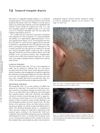 April 2012 in “Informa Healthcare eBooks”
 Temporal triangular alopecia is a lifelong condition with hairless patches on the side of the head that may be present from birth.
152 citations
,
April 2002 in “The journal of investigative dermatology/Journal of investigative dermatology” A new mutation in the Connexin 26 gene was found in a patient with KID syndrome, expanding the known disorders linked to this gene.
30 citations
,
June 2000 in “Journal of dermatological science” Human keratinocytes do not naturally respond to androgens.
April 2017 in “The journal of investigative dermatology/Journal of investigative dermatology” Double stranded RNA helps skin wounds heal by coordinating specific proteins and signaling pathways.
238 citations
,
May 1989 in “Journal of Investigative Dermatology” 126 citations
,
October 1998 in “Experimental Dermatology” The hr gene is crucial for skin and hair health, with mutations causing hair disorders.