 September 2014 in “SciBX”
 JAK inhibitors may help treat alopecia areata and promote hair regrowth.
 June 2017 in “Journal of the American Academy of Dermatology”
 Tofacitinib is effective and safe for treating severe alopecia areata and related conditions.
19 citations
,
September 2008 in “Journal of Cellular Physiology” Blocking EGFR can cause skin inflammation by disrupting IL-1 signaling.
 1 citations
,
April 2018 in “Journal of Investigative Dermatology”
1 citations
,
April 2018 in “Journal of Investigative Dermatology” Tofacitinib helped most patients with alopecia areata regrow hair and changes in immune cells were linked to the treatment's effectiveness.
 April 2016 in “Journal of Investigative Dermatology”
 MEK and BRAF inhibitors increase sebum production and accumulation, which could cause acne-like side effects.
 December 2023 in “Journal of ethnopharmacology”
 Tribuloside can increase skin pigmentation by enhancing melanin production and distribution.
 April 2017 in “Journal of Investigative Dermatology”
 Targeted siRNA therapy may be a promising treatment for KID syndrome by reducing mutant gene expression and improving cell communication.
 August 1994 in “Molecular Endocrinology”
 Changing protein kinase levels in pituitary cells affects calcium flow and beta-endorphin release.
 December 2025 in “npj Breast Cancer”
 Capivasertib improves survival in certain breast cancer cases but requires careful management of side effects.
26 citations
,
June 2022 in “Stem Cell Research & Therapy” Tideglusib helps heal wounds in older skin.
May 2025 in “International Journal of Trichology” Topical tofacitinib may help regrow hair in children with alopecia totalis.
91 citations
,
April 2006 in “PubMed” EGFR-targeting cancer drugs can cause skin rashes and other side effects.
July 2024 in “Journal of Investigative Dermatology” INTASYL is a promising, adaptable RNAi technology for treating skin cancers.
11 citations
,
June 2019 in “Journal of dermatology” New medicines that block a specific pathway are showing promise for treating severe hair loss but need more testing for safety and effectiveness.
17 citations
,
November 2000 in “Journal of Investigative Dermatology” ZPK helps skin cells mature and may affect skin health.
13 citations
,
June 2008 in “International Journal of Dermatology” Sorafenib can cause a unique skin reaction.
 1 citations
,
February 2021 in “Farmacja Polska”
1 citations
,
February 2021 in “Farmacja Polska” Janus kinase inhibitors show promise in treating autoimmune skin diseases.
 4 citations
,
February 2016 in “Clinical Pharmacology & Therapeutics”
4 citations
,
February 2016 in “Clinical Pharmacology & Therapeutics” Hair follicle samples effectively show how well the drug MK-0752 targets and engages with the Notch pathway.
 July 2025 in “Frontiers in Medicine”
 Baricitinib successfully regrew hair in an 8-year-old boy with alopecia totalis linked to a KRT74 gene variant.

Tofacitinib helped a woman with total-body hair loss grow her hair back.
 238 citations
,
November 2016 in “Journal of The American Academy of Dermatology”
238 citations
,
November 2016 in “Journal of The American Academy of Dermatology” Tofacitinib is effective and safe for severe hair loss, but full regrowth is less likely after 10 years of hair loss.
 February 2024 in “Journal of medicinal food”
 The research found a way to develop hair growth materials by targeting a specific signaling pathway.
 August 2024 in “New Zealand Medical Student Journal”
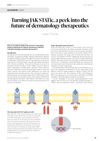
 JAK inhibitors show promise for treating skin diseases effectively and safely.
 13 citations
,
November 2021 in “Pediatric Dermatology”
13 citations
,
November 2021 in “Pediatric Dermatology” Tofacitinib taken by mouth helps treat hair loss in children.
 November 2020 in “Dubai medical journal”
 Tofacitinib may effectively regrow hair in alopecia totalis patients.
 16 citations
,
December 2012 in “Bioinformation”
16 citations
,
December 2012 in “Bioinformation” Curcumin, EGCG, barringtozenol, and finasteride are effective VEGFR inhibitors.
September 2024 in “Dermatologica Sinica” Ponatinib can cause a rare skin reaction that resolves with topical treatment and temporary drug discontinuation.
 2 citations
,
August 2025 in “Scientific Reports”
2 citations
,
August 2025 in “Scientific Reports” Pexidartinib often causes liver issues and fatigue, especially in women.
 April 2023 in “Journal of Investigative Dermatology”
 PTEN was identified as a specific marker for the skin disease cutaneous lupus erythematosus, and it helps increase the expression of harmful type I interferons.
 12 citations
,
July 2025 in “Journal of Clinical and Translational Hepatology”
12 citations
,
July 2025 in “Journal of Clinical and Translational Hepatology” TGF-β inhibitors may help treat liver fibrosis by targeting various pathways.