1 citations
,
April 2022 in “The Journal of Urology” Both penicillamine and tiopronin have significant side effects, but trying the alternative drug can be beneficial if the first is not tolerated.
 November 2024 in “Open Repository of the University of Porto (University of Porto)”
 Pharmacists play a crucial role in safe medication use and interdisciplinary collaboration is key to reducing antimicrobial resistance.
67 citations
,
February 2022 in “International Journal of Molecular Sciences” The nanofiber membranes effectively promote wound healing and have strong antibacterial properties.
December 2016 in “Indonesian Journal of Tropical and Infectious Disease/Indonesian Journal of Tropical an Infectious Disease” Double pulse dose terbinafine effectively treats kerion type of tinea capitis.
 April 2007 in “Nature Clinical Practice Urology”
 TICE salvage chemotherapy is effective for treating germ-cell tumors with poor prognosis.
33 citations
,
May 2017 in “Journal of Clinical Oncology” ETC-159 was safe up to 30 mg, but no tumor shrinkage was seen.
September 2015 in “Photodiagnosis and Photodynamic Therapy” 7 citations
,
January 2025 in “Journal of Medicinal Chemistry” New itaconate prodrugs improve its absorption and effectiveness for treating inflammation.
 17 citations
,
July 2019 in “Majalah Obat Tradisional”
17 citations
,
July 2019 in “Majalah Obat Tradisional” Tannin effectively inhibits and degrades biofilms from certain bacteria and fungi.
 1 citations
,
September 2025 in “Scientific Reports”
1 citations
,
September 2025 in “Scientific Reports” The new gel improves treatment of tough skin infections.
March 2003 in “International Journal of Antimicrobial Agents” March 2019 in “Reactions Weekly”  14 citations
,
November 1987 in “Journal of The American Academy of Dermatology”
14 citations
,
November 1987 in “Journal of The American Academy of Dermatology” A woman developed a severe skin reaction called toxic epidermal necrolysis after taking the antibiotic cephalexin.
 38 citations
,
July 2010 in “Clinical, cosmetic and investigational dermatology”
38 citations
,
July 2010 in “Clinical, cosmetic and investigational dermatology” To treat tinea capitis in children, oral antifungal medication is necessary, with newer drugs offering shorter treatment times than the traditional griseofulvin.
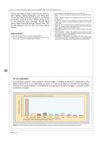
The document corrects a mistake by stating that pimecrolimus, not tacrolimus, is the drug that concentrates in the skin.
 33 citations
,
September 2007 in “Veterinary dermatology”
33 citations
,
September 2007 in “Veterinary dermatology” Topical 0.1% tacrolimus significantly improved ear infections in cats.
 February 2006 in “Journal of The American Academy of Dermatology”
 Terbinafine is more effective than itraconazole for toenail fungus, especially in older patients, and debridement improves its effectiveness.
May 2018 in “Digital ProScholar Media eBooks” The new fluoroquinolone effectively fights certain bacteria.
March 2022 in “Oncology Times” Tebentafusp-tebn improves survival rates in uveal melanoma patients but has common side effects like rash and fatigue.
July 2024 in “Journal of Investigative Dermatology” Baicalin may help treat severe drug-induced skin reactions.
1 citations
,
January 1987 in “Veterinary Dermatology” Topical 0.1% tacrolimus improved a rare ear condition in cats.
2 citations
,
November 2025 in “British Journal of Pharmacology” Daprodustat, combined with PAβN, could be a new antibacterial treatment.
 29 citations
,
June 2014 in “Drug delivery”
29 citations
,
June 2014 in “Drug delivery” The new formulation improved the skin absorption of the drug Thiocolchicoside.
14 citations
,
January 1991 in “PubMed” Oxiconazole nitrate cream is effective and well-tolerated for treating various fungal skin infections.
 August 2018 in “Journal of The American Academy of Dermatology”
 Ozenoxacin 1% cream is an effective and safe treatment for impetigo in children and adults.
2 citations
,
April 2022 in “Nusantara Bioscience” The method accurately measures vancomycin using silver nanoparticles.
 1 citations
,
May 2025 in “Natural Products and Bioprospecting”
1 citations
,
May 2025 in “Natural Products and Bioprospecting” PEVIII is a promising treatment for Pseudomonas aeruginosa keratitis.
April 2020 in “The FASEB journal” Poncirin is a promising inhibitor of Janus Kinase 3, potentially better than tofacitinib.
3 citations
,
April 2021 in “Oncology Times” Trodelvy™ helped some patients with advanced breast cancer, but had side effects.
 January 2025 in “Biomedical Reports”
 Telitacicept helped stabilize complement levels in a patient with lupus and thyroid cancer.