 8 citations
,
October 2019 in “International Journal of Dermatology”
8 citations
,
October 2019 in “International Journal of Dermatology” The study concluded that combination therapy with topical corticosteroids and hydroxychloroquine or finasteride is effective in treating Frontal fibrosing alopecia in Asians.
 9 citations
,
October 2021 in “International Journal of Dermatology”
9 citations
,
October 2021 in “International Journal of Dermatology” Tofacitinib is effective and safe for treating severe hair loss in a Saudi population.
 November 2023 in “TẠP CHÍ KHOA HỌC TRƯỜNG ĐẠI HỌC QUỐC TẾ HỒNG BÀNG”
 Leersia hexandra contains syringaresinol, mayuenolid, and ciwujiaton.
1 citations
,
February 2022 in “Zenodo (CERN European Organization for Nuclear Research)” Peperomia pellucida extract promotes hair growth, boosts male libido and fertility, and protects kidney cells.
 46 citations
,
January 2015 in “Journal of The American Academy of Dermatology”
46 citations
,
January 2015 in “Journal of The American Academy of Dermatology” Trichoscopy helps diagnose and assess the severity of Frontal Fibrosing Alopecia.
52 citations
,
April 2000 in “International Journal of Dermatology” Tinea capitis in Benghazi mainly affects children under 10, with Trichophyton violaceum as the leading cause.
July 2026 in “Pharmaciana” This study investigates the optimal characteristics of ulin seeds for oil extraction and the detection of adulteration in ulin seed oil (USO) using FTIR spectrophotometry and principal component analysis (PCA). The research found that fresh, mature, and resinous ulin seeds are ideal for oil extraction. Adulteration with candlenut oil and virgin coconut oil can be detected at specific wavenumbers, particularly 3008, 1745, and 1118 cm⁻¹. The PCA analysis highlighted the wavenumber 1745 cm⁻¹ as a key indicator for identifying USO adulteration.
 November 2023 in “The journal of investigative dermatology/Journal of investigative dermatology”
 Early treatment and multidisciplinary care are key to managing Frontal Fibrosing Alopecia and preventing further hair loss.
 March 2012 in “Journal of The American Academy of Dermatology”
 Temporal triangular alopecia usually starts in early childhood and treatment with Minoxidil has limited effectiveness.
 36 citations
,
December 2017 in “Journal of the American Academy of Dermatology”
36 citations
,
December 2017 in “Journal of the American Academy of Dermatology” Most patients with frontal fibrosing alopecia stabilized with treatment, especially younger ones, using intralesional corticosteroids and tacrolimus.
5 citations
,
April 2022 in “Egyptian Journal of Chemistry” Sansevieria trifasciata shows promise as a natural treatment for hair loss.
 November 2015 in “European journal of dermatology/EJD. European journal of dermatology”
 A 55-year-old woman with several health conditions did not see hair regrowth after a transplant.
 January 2026 in “Archives of Current Medical Research”
 Telogen effluvium is the most common hair loss in women, often linked to low iron, while tight hairstyles and headscarves increase traction alopecia risk.
 11 citations
,
February 2021 in “Journal of Cosmetic Dermatology”
11 citations
,
February 2021 in “Journal of Cosmetic Dermatology” Oral tofacitinib helped regrow hair in over half of the patients with severe alopecia, but relapses and side effects were common.
2 citations
,
December 2000 in “DOAJ (DOAJ: Directory of Open Access Journals)” In Freixo de Espada à Cinta, many people have skin lesions, especially moles and acne.
 3 citations
,
April 2021 in “Chemical & Pharmaceutical Bulletin”
3 citations
,
April 2021 in “Chemical & Pharmaceutical Bulletin” Extracts from the Calanthe discolor plant promote hair follicle growth and increase growth factor levels.
 7 citations
,
October 2015 in “Actas Dermo-Sifiliográficas”
7 citations
,
October 2015 in “Actas Dermo-Sifiliográficas” New treatments for Frontal Fibrosing Alopecia show promise, especially finasteride and dutasteride, with most patients seeing improvement or stabilization.
 December 2024 in “Globus: an international journal of medical science, engineering and technology.”
 10% dalandan peel oil promotes hair growth effectively.
 2 citations
,
November 2022 in “Frontiers in Pharmacology”
2 citations
,
November 2022 in “Frontiers in Pharmacology” Local healers in Addis Ababa use 81 medicinal plants, mainly from the Asteraceae family, to treat skin and general diseases, with Echinops kebericho being an endangered plant important in their practices.
59 citations
,
January 2003 in “Phytomedicine” Fennel extract cream can reduce hair thickness in people with excessive hair growth.
 49 citations
,
January 2003 in “Clinical and Experimental Dermatology”
49 citations
,
January 2003 in “Clinical and Experimental Dermatology” The document concludes that post-menopausal frontal fibrosing alopecia is a poorly understood condition that does not respond well to common treatments.
 November 2023 in “South African journal of botany”
 Eclipta alba has anti-aging and anti-inflammatory properties, making it a potential ingredient for cosmetics.
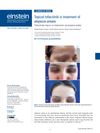 2 citations
,
January 2020 in “Einstein (São Paulo)”
2 citations
,
January 2020 in “Einstein (São Paulo)” Topical tofacitinib shows promise as a future treatment for alopecia areata.
 12 citations
,
March 2018 in “Anais brasileiros de dermatologia/Anais Brasileiros de Dermatologia”
12 citations
,
March 2018 in “Anais brasileiros de dermatologia/Anais Brasileiros de Dermatologia” A patient had both chronic cutaneous lupus erythematosus and frontal fibrosing alopecia.
 1 citations
,
March 2019 in “International Journal of Current Pharmaceutical Research”
1 citations
,
March 2019 in “International Journal of Current Pharmaceutical Research” The essential oils from Hedyotis corymbosa, Inula racemose, and Holostemma adakodien have significant antibacterial and antifungal properties.
 3 citations
,
February 2024 in “Journal of the American Academy of Dermatology”
3 citations
,
February 2024 in “Journal of the American Academy of Dermatology” Topical tofacitinib cream may help treat certain hair loss conditions with fewer risks.
 February 2021 in “Pakistan Armed Forces Medical Journal”
 A rare skin condition usually found near the eyes was found on a farmer's scalp.
10 citations
,
January 1925 in “Archives of Dermatology” Trichostasis spinulosa is a rare skin condition with hair-filled plugs in hair follicles.
 89 citations
,
February 2002 in “Australasian journal of dermatology”
89 citations
,
February 2002 in “Australasian journal of dermatology” A premenopausal woman had hair loss and skin issues, treated with topical steroids.
7 citations
,
September 2024 in “Journal of Microbiology and Biotechnology” Peperomia pellucida is safe to eat and has strong antioxidant benefits.