 9 citations
,
January 2014 in “DARU Journal of Pharmaceutical Sciences”
9 citations
,
January 2014 in “DARU Journal of Pharmaceutical Sciences” Cuscuta reflexa extracts helped regrow hair in rats with drug-induced hair loss.
 7 citations
,
May 2013 in “PubMed”
7 citations
,
May 2013 in “PubMed” A new hair loss treatment with two unique ingredients improved hair growth.
 7 citations
,
February 2010 in “Journal of Dermatological Treatment”
7 citations
,
February 2010 in “Journal of Dermatological Treatment” Imiquimod cream can rarely cause temporary hair loss.
 5 citations
,
May 2008 in “Nature Precedings”
5 citations
,
May 2008 in “Nature Precedings” Trichoscopy is a useful non-invasive method to diagnose female hair loss with high accuracy.
 4 citations
,
May 2015 in “Indian Journal of Dermatology, Venereology and Leprology”
4 citations
,
May 2015 in “Indian Journal of Dermatology, Venereology and Leprology” Congenital triangular alopecia can occur outside the typical fronto-temporal region.
 3 citations
,
October 2021 in “Journal of Cosmetic Dermatology”
3 citations
,
October 2021 in “Journal of Cosmetic Dermatology” Trichoscopy helps tell apart Frontal Fibrosing Alopecia and Lichen planopilaris by showing different hair and scalp features.
 2 citations
,
January 2023 in “BioMed Research International”
2 citations
,
January 2023 in “BioMed Research International” Beetroot extract nanogel may help treat hair loss caused by testosterone.
2 citations
,
January 2019 in “Journal of Cosmetics, Dermatological Sciences and Applications” The supplement and lotion significantly reduced hair loss and improved hair health.
 September 2025 in “Bioscientia Medicina Journal of Biomedicine and Translational Research”
 Combining PRP-Exo with minoxidil significantly improves hair growth in androgenetic alopecia.
 September 2024 in “Journal of the American Academy of Dermatology”
 Fractional and excimer lasers effectively treat various types of alopecia and promote hair growth.
 March 2024 in “Journal of Evidence-Based Integrative Medicine”
 Teak leaf extract may effectively and safely promote hair growth in males with androgenic alopecia.
Higher PD-1 levels mean fewer CD8+ T cells in alopecia areata hair follicles.
 April 2023 in “Journal of Investigative Dermatology”
 Higher PD-1 levels are linked to fewer immune cells in hair follicles in alopecia areata.
 January 2023 in “Voennaâ medicina”
 Hair loss in women can improve with iron and vitamin supplements if caused by iron deficiency.
 November 2019 in “Actas Dermo-Sifiliográficas”
 Oral minoxidil helps treat hair loss and has reversible side effects.
16 citations
,
August 1989 in “PubMed” Retinol and L-cystine improve diffuse hair loss without side effects.
 July 2023 in “Journal of Ethnopharmacology”
 Amla fruit syrup improved hair growth and satisfaction in women with hair loss without significant side effects.
 September 2017 in “Journal of Investigative Dermatology”
 The combination of Stemoxydine® and Resveratrol improves hair density in women with Female Pattern Hair Loss.

COVID-19 infection and vaccination are linked to hair loss, especially in women and those with nutritional deficiencies.
January 2015 in “Iraqi Journal of Hematology” Iron supplements can help reduce hair loss in women with low iron levels.
 January 2024 in “Journal of Natural Remedies”
 Solanum nigrum extract may help regrow hair.
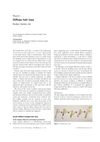 83 citations
,
May 1999 in “International Journal of Dermatology”
83 citations
,
May 1999 in “International Journal of Dermatology” Hair loss that spreads out can often fix itself or be treated by finding and handling the cause.
 8 citations
,
March 2020 in “Dermatologic Therapy”
8 citations
,
March 2020 in “Dermatologic Therapy” The new hair loss treatment kit was safe and improved hair growth without any adverse effects.
 4 citations
,
January 2016 in “Postepy Dermatologii I Alergologii”
4 citations
,
January 2016 in “Postepy Dermatologii I Alergologii” Many hair diseases, including those caused by medications and psychological issues, can lead to hair loss and require proper treatment and specialist care.
 December 2022 in “Journal of Education, Health and Sport”
 Covid-19 can cause different types of hair loss, which can affect people's mental and social well-being.
 September 2021 in “Journal of the European Academy of Dermatology and Venereology”
 Francisco Camacho Martinez has made significant contributions to skin and sexually transmitted diseases, developed surgical techniques, but is concerned about patient survival rates and over-specialization in dermatology.
 March 2018 in “Farmacevtičnij časopis”
 The "Stimufit" tincture is safe and effective for treating hair loss.
December 2014 in “DOAJ (DOAJ: Directory of Open Access Journals)” Developing plant-based treatments for alopecia is promising and necessary.
November 2014 in “Scientific periodicals of Ukraine” There's a need for safe, plant-based hair loss treatments due to limited options and side effects of current drugs.
 January 2025 in “Annals of Dermatology”
 COVID-19 vaccination may slightly increase the risk of hair loss, but benefits outweigh this risk.